
Title
Modern Constitutions (Democracy, Citizenship, And Constitutionalism),Used
Sold by Ergodebooks, an authorized reseller.
Returns accepted within 30 days | support@ergodebooks.com
Shipping Information
- Free Standard Shipping — United States only
- Processing Time: 3–5 business days
- Estimated Delivery: 6–10 business days after dispatch
- Double-boxed, fully insured & discreetly packaged
- Tracking number sent via email once dispatched
Returns & Refund
Returns accepted within 30 days of delivery.
Damaged or Defective Item
Free return shipping + replacement or full refund
Wrong Item Received
Free return shipping + replacement or full refund
Change of Mind
Return shipping at customer's expense · 25% restocking fee applies
Payment Option

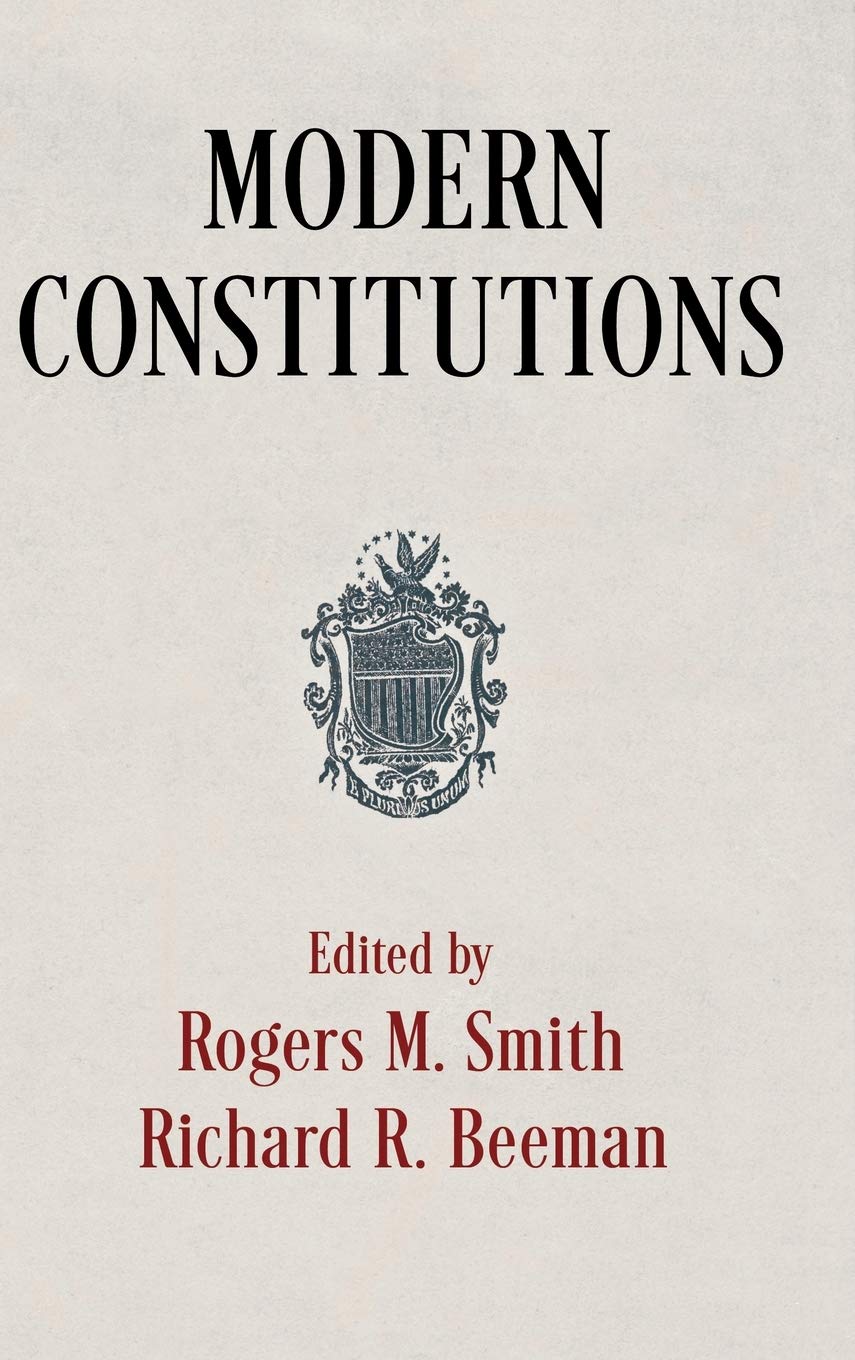
More than two millennia ago, Aristotle is said to have compiled a collection of ancient constitutions that informed his studies of politics. For Aristotle, constitutions largely distilled and described the varied and distinctive patterns of political life established over time. What constitutionalism has come to mean in the modern era, on the other hand, originates chiefly in the late eighteenth century and primarily with the U.S. Constitutionwritten in 1787 and made effective in 1789and the various French constitutions that first appeared in 1791.In the last half century, more than 130 nations have adopted new constitutions, half of those within the last twenty years. These new constitutions are devoted to many of the same goals found in the U.S. Constitution: the rule of law, representative selfgovernment, and protection of rights. But by canvassing constitutional developments at the national and state level in the United States alongside modern constitutions in Eastern and Western Europe, Africa, and Asia, the contributors to Modern Constitutionsall leading scholars of constitutionalismshow that modern constitutions often seek to protect social rights and to establish representative institutions, forms of federalism, and courts charged with constitutional review that depart from or go far beyond the seminal U.S. example. Partly because of their innovations, however, many modern constitutional systems now confront mounting authoritarian pressures that put fundamental commitments to the rule of law in jeopardy.The contributions in this volume collectively provide a measure of guidance for the challenges and prospects of modern constitutions in the rapidly changing political world of the twentyfirst century.Contributors: Richard R. Beeman, Valerie Bunce, Tom Ginsburg, Heinz Klug, David S. Law, Sanford Levinson, Jaime Lluch, Christopher McCrudden, Kim Lane Scheppele, Rogers M. Smith, Mila Versteeg, Emily Zackin.
⚠️ WARNING (California Proposition 65):
This product may contain chemicals known to the State of California to cause cancer, birth defects, or other reproductive harm.
For more information, please visit www.P65Warnings.ca.gov.