
Title
Modern Engineering For Design Of Liquid Propellant Rocket Engines (Progress In Astronautics And Aeronautics)
Sold by Ergodebooks, an authorized reseller.
Returns accepted within 30 days | support@ergodebooks.com
Shipping Information
- Free Standard Shipping — United States only
- Processing Time: 3–5 business days
- Estimated Delivery: 6–10 business days after dispatch
- Double-boxed, fully insured & discreetly packaged
- Tracking number sent via email once dispatched
Returns & Refund
Returns accepted within 30 days of delivery.
Damaged or Defective Item
Free return shipping + replacement or full refund
Wrong Item Received
Free return shipping + replacement or full refund
Change of Mind
Return shipping at customer's expense · 25% restocking fee applies
Payment Option

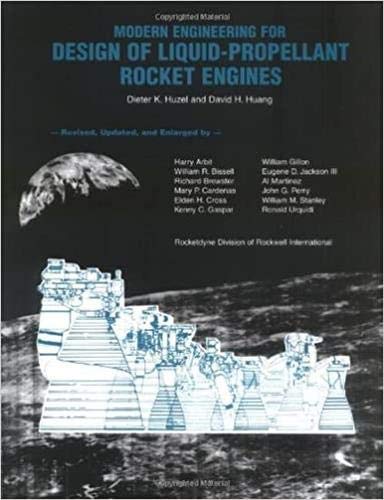
From The Component Design, To The Subsystem Design, To The Engine Systems Design, Engine Development And Flightvehicle Application, This Howto Text Bridges The Gap Between Basic Physical And Design Principles And Actual Rocketengine Design As It'S Done In Industry.
⚠️ WARNING (California Proposition 65):
This product may contain chemicals known to the State of California to cause cancer, birth defects, or other reproductive harm.
For more information, please visit www.P65Warnings.ca.gov.
- Q: How many pages does this book have? A: This book has four hundred thirty-one pages. It provides detailed insights into modern engineering practices for liquid propellant rocket engines.
- Q: What are the dimensions of this book? A: The book measures eight point eight two inches in length, one point two inches in width, and eleven point three inches in height. These dimensions make it a substantial reference for aerospace engineering.
- Q: What type of binding does this book have? A: This book is bound in hardcover. Hardcover binding ensures durability and longevity, making it suitable for frequent use.
- Q: Who is the author of this book? A: The author of this book is Dieter K Huzel. His expertise in aerospace engineering provides valuable insights into rocket engine design.
- Q: What category does this book fall under? A: This book falls under the category of Aircraft Design & Construction. It focuses on the technical aspects of rocket engine design.
- Q: Is this book suitable for beginners in aerospace engineering? A: Yes, this book is suitable for beginners. It bridges the gap between basic principles and practical applications in rocket-engine design.
- Q: Can I use this book for advanced rocket engineering studies? A: Yes, this book is also beneficial for advanced studies. It contains comprehensive information useful for professionals and students alike.
- Q: What is the reading level of this book? A: This book is intended for readers with a foundational understanding of engineering. It explores complex concepts in a digestible manner.
- Q: How should I care for this book to keep it in good condition? A: To keep this book in good condition, store it upright in a cool, dry place. Avoid exposure to moisture and direct sunlight to prevent damage.
- Q: Is this book safe to handle for young readers? A: Yes, this book is safe for handling. However, it is recommended for readers who have a basic understanding of engineering principles.
- Q: What if my book arrives damaged? A: If your book arrives damaged, you should contact the retailer for a return or exchange. Many retailers have customer service policies to address such issues.
- Q: What is the warranty policy for this book? A: Books typically do not come with a warranty. However, check with the retailer for their specific return and exchange policies.
- Q: Can I return this book if I’m not satisfied? A: Yes, you can usually return this book if you are not satisfied. Ensure to keep the receipt and check the return policy of the retailer.
- Q: Does this book offer practical applications for rocket design? A: Yes, the book offers practical applications for rocket design. It covers component to subsystem design and actual engine development processes.
- Q: Is this book a good reference for aerospace engineering professionals? A: Yes, this book serves as an excellent reference for aerospace engineering professionals. It integrates theoretical knowledge with practical insights.
- Q: What topics are covered in this book? A: This book covers topics from component design to engine systems design. It provides a comprehensive overview of the rocket-engine design process.