
Title
Modern Forests: Statemaking And Environmental Change In Colonial Eastern India,Used
Sold by Ergodebooks, an authorized reseller.
Returns accepted within 30 days | support@ergodebooks.com
Shipping Information
- Free Standard Shipping — United States only
- Processing Time: 3–5 business days
- Estimated Delivery: 6–10 business days after dispatch
- Double-boxed, fully insured & discreetly packaged
- Tracking number sent via email once dispatched
Returns & Refund
Returns accepted within 30 days of delivery.
Damaged or Defective Item
Free return shipping + replacement or full refund
Wrong Item Received
Free return shipping + replacement or full refund
Change of Mind
Return shipping at customer's expense · 25% restocking fee applies
Payment Option

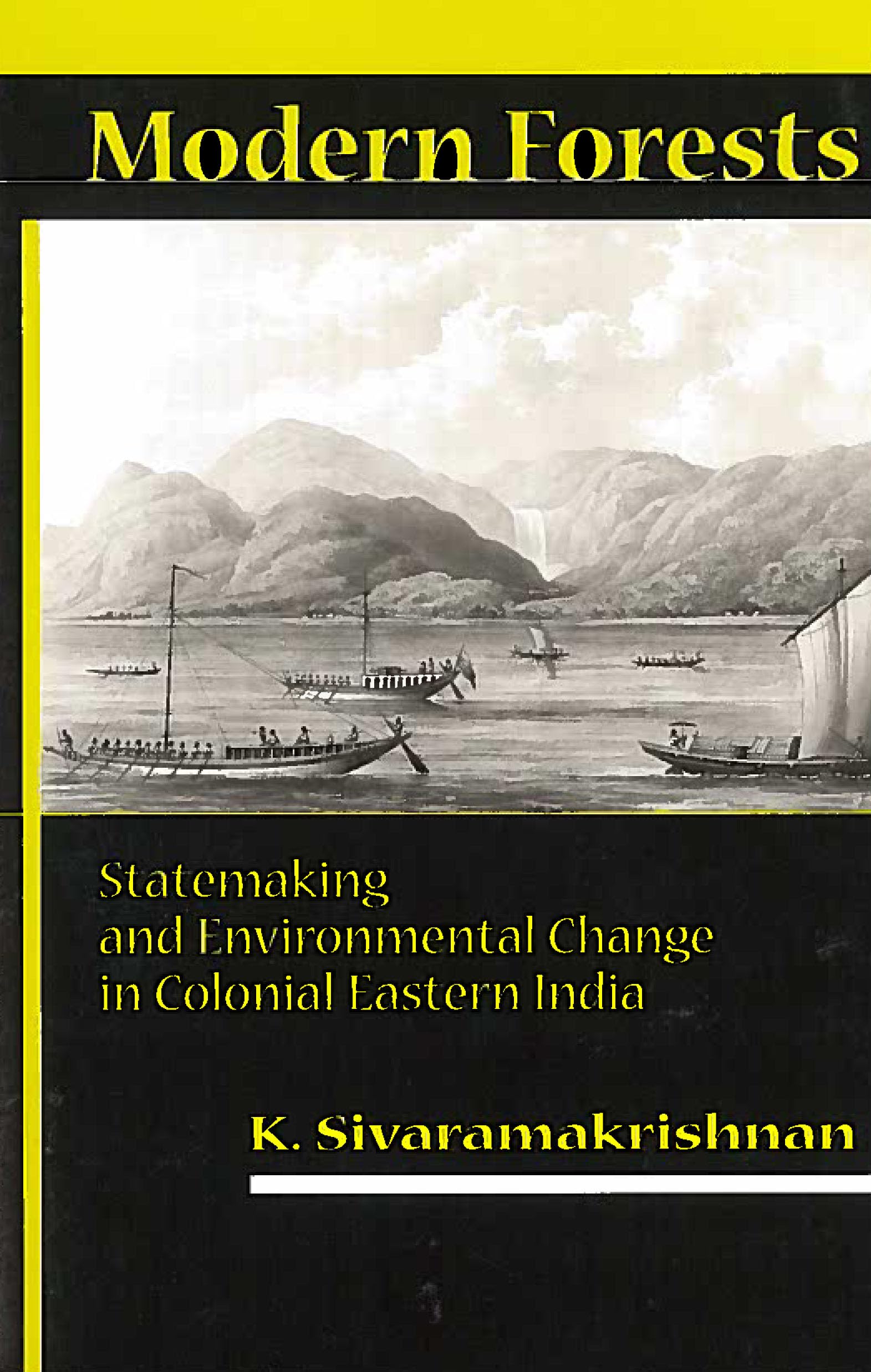
Modern Forests is an environmental, institutional, and cultural history of forestry in colonial eastern India. By carefully examining the influence of regional political formations and biogeographic processes on land and forest management, this book offers an analysis of the interrelated social and biophysical factors that influenced landscape change. Through a cultural analysis of powerful landscape representations, Modern Forests reveals the contention, debates, and uncertainty that persisted for two hundred years of colonial rule as forests were identified, classified, and brought under different regimes of control and were transformed to serve a variety of imperial and local interests.The author examines the regionally varied conditions that generated widely different kinds of forest management systems, and the ways in which certain ideas and forces became dominant at various times. Through this emphasis on regional sociopolitical processes and ecologies, the author offers a new way to write environmental history. Instead of making a sharp distinction between thirdworld and firstworld experiences in forest management, the book suggests a potential for crosscontinental comparative studies through regional analyses.The book also offers an approach to historical anthropology that does not make apolitical separations between foreign and indigenous views of the world of nature, insisting instead that different cultural repertoires for discerning the natural, and using it, can be fashioned out of shared concerns within and across social groups. The politics of such cultural construction, the book argues, must be studied through institutional histories and ethnographies of statemaking. In conclusion, the author offers a genealogy of development as it can be traced from forest conservation in colonial eastern India.
⚠️ WARNING (California Proposition 65):
This product may contain chemicals known to the State of California to cause cancer, birth defects, or other reproductive harm.
For more information, please visit www.P65Warnings.ca.gov.