
Title

Modernism'S Masculine Subjects: Matisse, The New York School, And Postpainterly Abstraction,Used
Sold by Ergodebooks, an authorized reseller.
Returns accepted within 30 days | support@ergodebooks.com
Shipping Information
- Free Standard Shipping — United States only
- Processing Time: 3–5 business days
- Estimated Delivery: 6–10 business days after dispatch
- Double-boxed, fully insured & discreetly packaged
- Tracking number sent via email once dispatched
Returns & Refund
Returns accepted within 30 days of delivery.
Damaged or Defective Item
Free return shipping + replacement or full refund
Wrong Item Received
Free return shipping + replacement or full refund
Change of Mind
Return shipping at customer's expense · 25% restocking fee applies
Payment Option

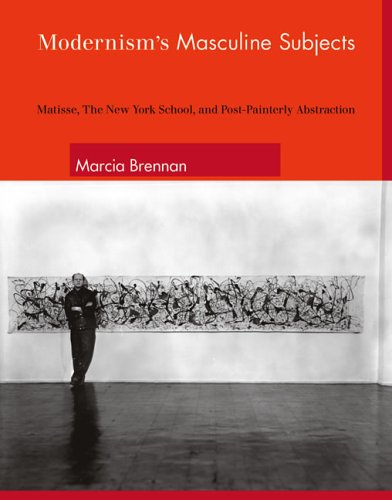
How Postwar Abstract Modernist Paintings Came To Be Seen As Metaphorical Embodiments Of Masculine Selfhood; An Examination Of The Critical Discourse Surrounding The Work Of Matisse, De Kooning, Pollock, And The Postpainterly Abstractionists.In The Era Of The Man In The Gray Flannel Suitwhen Social Pressures On Men To Conform Threatened Cherished Notions Of Masculine Vitality, Freedom, And Authenticitymodernist Paintings Came To Be Seen As Metaphorical Embodiments Of Both Idealized And Highly Conflicted Conceptions Of Masculine Selfhood. In Modernism'S Masculine Subjects, Marcia Brennan Traces The Formalist Critical Discourses In Which Work By Such Artists As Henri Matisse, Willem De Kooning, And Jackson Pollock Could Stand As Symbolic Representations That At Once Challenged And Reproduced Such Prevailing Cultural Conceptions Of Masculinity. Rejecting The Typical View Of Formalism'S Exclusive Engagement With Essentialized And Purified Notions Of Abstraction And Its Disengagement From Issues Of Gender And Embodiment, Brennan Explores The Ways In Which These Categories Were Intertwined, Historically And Theoretically. Brennan Makes New Use Of Writings By Clement Greenberg And Other Powerful Critics Describing The Works Of Matisse, The Postwar New York School Abstract Expressionists, And Their Successors, The Postpainterly Abstractionists. The Paintings Of Matisse, She Argues, Were Represented In Part As Intellectually Engaged And Culturally Respectable Centerfolds. Brennan Examines De Kooning'S Woman Seriesperhaps The Most Significant Effort To Incorporate Feminine Presence Within Abstract Expressionist Imageryas Extended Cultural Metaphors For Bourgeois Masculinity'S Conflicted Relationship With Its Feminine 'Others.' She Also Shows How The Aggressive Energy Of Pollock'S Nonfigural Painterly Idiom Became Domesticated In The Press By The Repeated Pairing Of His Work With Images Of Pollock In The Studio And At Home With His Wife, The Artist Lee Krasner. Finally, Discussing The Rise Of The Postpainterly Abstractionists In The Sixties, Brennan Shows How, Both Despite And Because Of The Critical Presence Of Helen Frankenthaler, Formalist Responses To The Works Of Morris Louis And Kenneth Noland Provided An Opportunity To Promote Idealized Conceptions Of Masculine Creativity.
⚠️ WARNING (California Proposition 65):
This product may contain chemicals known to the State of California to cause cancer, birth defects, or other reproductive harm.
For more information, please visit www.P65Warnings.ca.gov.