
Title
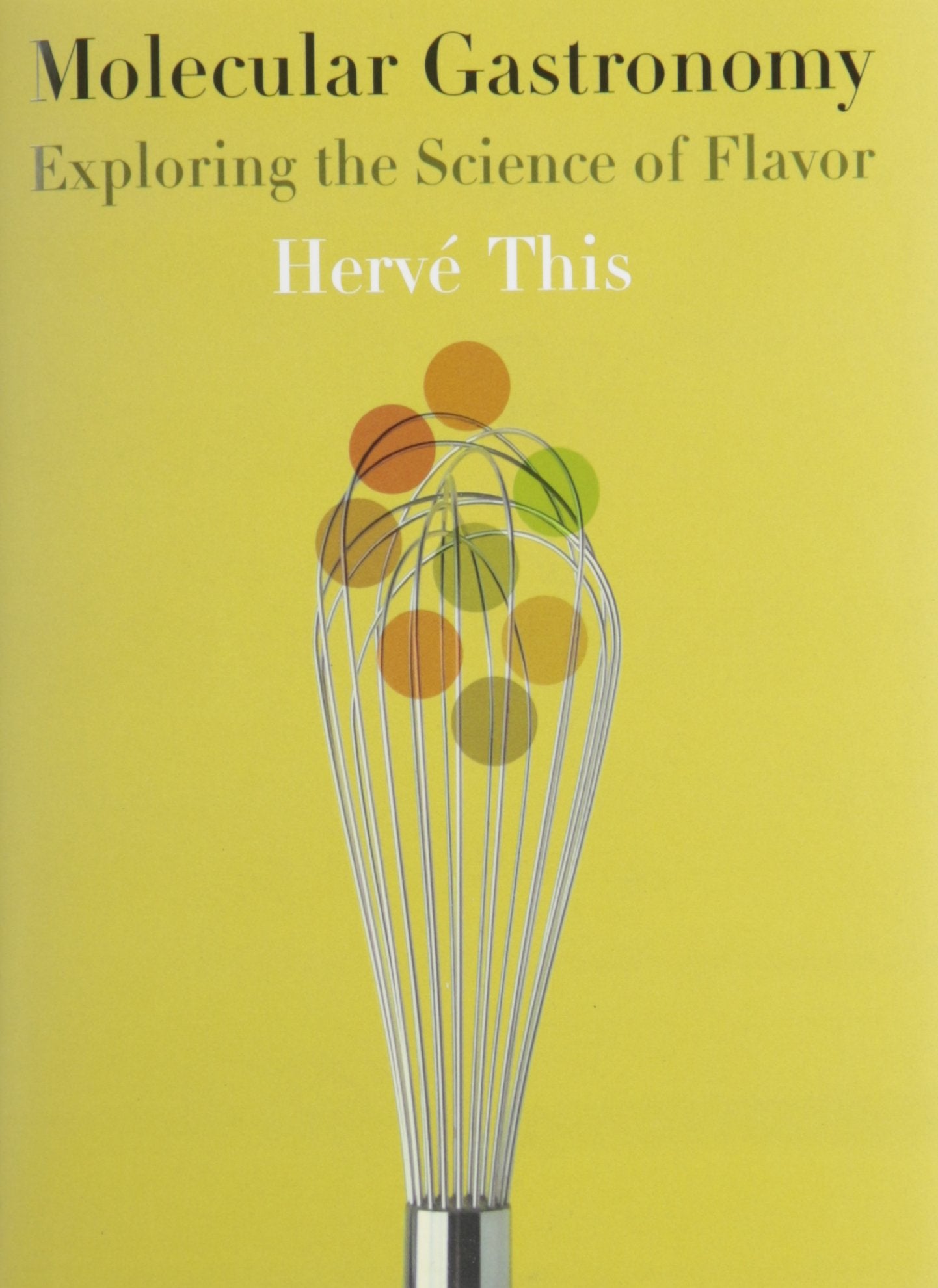
Molecular Gastronomy: Exploring The Science Of Flavor (Arts And Traditions Of The Table: Perspectives On Culinary History)
Sold by Ergodebooks, an authorized reseller.
Returns accepted within 30 days | support@ergodebooks.com
Shipping Information
- Free Standard Shipping — United States only
- Processing Time: 3–5 business days
- Estimated Delivery: 6–10 business days after dispatch
- Double-boxed, fully insured & discreetly packaged
- Tracking number sent via email once dispatched
Returns & Refund
Returns accepted within 30 days of delivery.
Damaged or Defective Item
Free return shipping + replacement or full refund
Wrong Item Received
Free return shipping + replacement or full refund
Change of Mind
Return shipping at customer's expense · 25% restocking fee applies
Payment Option

Herv This (Pronounced Teess) Is An Internationally Renowned Chemist, A Popular French Television Personality, A Bestselling Cookbook Author, A Longtime Collaborator With The Famed French Chef Pierre Gagnaire, And The Only Person To Hold A Doctorate In Molecular Gastronomy, A Cuttingedge Field He Pioneered. Bringing The Instruments And Experimental Techniques Of The Laboratory Into The Kitchen, This Uses Recent Research In The Chemistry, Physics, And Biology Of Food To Challenge Traditional Ideas About Cooking And Eating. What He Discovers Will Entertain, Instruct, And Intrigue Cooks, Gourmets, And Scientists Alike.Molecular Gastronomy, This'S First Work To Appear In English, Is Filled With Practical Tips, Provocative Suggestions, And Penetrating Insights. This Begins By Reexamining And Debunking A Variety Of Timehonored Rules And Dictums About Cooking And Presents New And Improved Ways Of Preparing A Variety Of Dishes From Quiches And Quenelles To Steak And Hardboiled Eggs. He Goes On To Discuss The Physiology Of Flavor And Explores How The Brain Perceives Tastes, How Chewing Affects Food, And How The Tongue Reacts To Various Stimuli. Examining The Molecular Properties Of Bread, Ham, Foie Gras, And Champagne, The Book Analyzes What Happens As They Are Baked, Cured, Cooked, And Chilled.Looking To The Future, Herv This Imagines New Cooking Methods And Proposes Novel Dishes. A Chocolate Mousse Without Eggs? A Flourless Chocolate Cake Baked In The Microwave? Molecular Gastronomy Explains How To Make Them. This Also Shows Us How To Cook Perfect French Fries, Why A Souffl Rises And Falls, How Long To Cool Champagne, When To Season A Steak, The Right Way To Cook Pasta, How The Shape Of A Wine Glass Affects The Taste Of Wine, Why Chocolate Turns White, And How Salt Modifies Tastes.
⚠️ WARNING (California Proposition 65):
This product may contain chemicals known to the State of California to cause cancer, birth defects, or other reproductive harm.
For more information, please visit www.P65Warnings.ca.gov.
- Q: How many pages does the book have? A: The book contains three hundred ninety-two pages. It provides in-depth insights into molecular gastronomy and culinary techniques.
- Q: What are the dimensions of this book? A: The book measures six point three eight inches in length, zero point nine eight inches in width, and eight point three one inches in height. These dimensions make it a convenient size for reading and storing.
- Q: What is the binding type of the book? A: The book is bound in hardcover. This durable binding ensures longevity and a professional appearance on your bookshelf.
- Q: How do I use the recipes in this book? A: Follow the step-by-step instructions provided in each recipe. The book offers practical tips and explanations to help you understand the science behind the cooking methods.
- Q: Is this book suitable for beginners in cooking? A: Yes, the book is suitable for beginners. It explains complex culinary techniques in an accessible way, making it easy for new cooks to experiment.
- Q: Can I cook dishes from this book without special equipment? A: Yes, many recipes can be made with standard kitchen equipment. The author provides alternatives for certain techniques that may require specialized tools.
- Q: How should I store this book to keep it in good condition? A: Store the book upright on a shelf in a dry place. Avoid exposing it to direct sunlight or excessive moisture to preserve its quality.
- Q: Is this book safe for all age groups? A: Yes, the book is suitable for all age groups. However, parental guidance is recommended for younger readers when attempting certain recipes.
- Q: How do I clean the book if it gets dirty? A: Gently wipe the cover and pages with a soft, dry cloth. Avoid using water or cleaning solutions, as they may damage the book.
- Q: What if I receive a damaged book? A: If you receive a damaged book, contact the seller immediately for a replacement or refund. Be sure to keep the original packaging for any returns.
- Q: How does this book compare to other cooking books? A: This book focuses specifically on molecular gastronomy, offering unique insights compared to traditional cooking books that may not cover the science of flavor.
- Q: Are the recipes in this book vegetarian-friendly? A: Yes, many recipes can be adapted to be vegetarian. The author encourages creativity in modifying traditional dishes.
- Q: Can I use this book for professional cooking training? A: Yes, the book is suitable for professional cooking training. It provides advanced techniques and scientific explanations valuable for culinary students.
- Q: What topics are covered in the book? A: The book covers various topics, including the physiology of flavor, cooking techniques, and molecular properties of different foods.
- Q: Is the author of this book well-known in the culinary world? A: Yes, Hervé This is an internationally recognized chemist and pioneer in the field of molecular gastronomy, enhancing his credibility as an author.
- Q: Can this book help improve my cooking skills? A: Yes, the book offers innovative techniques and scientific insights that can significantly enhance your cooking skills and knowledge.