
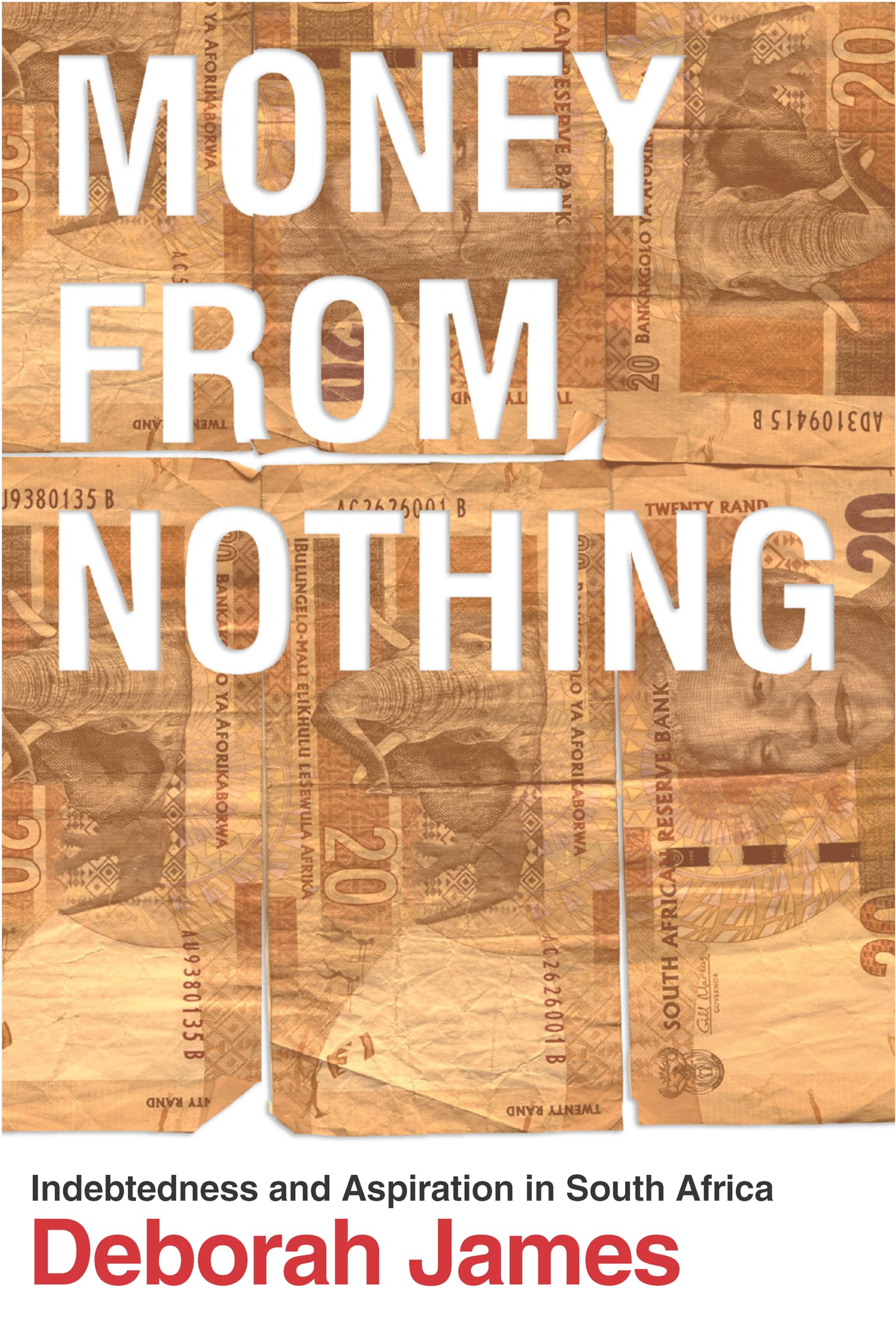
Title
Money From Nothing: Indebtedness And Aspiration In South Africa,Used
Sold by Ergodebooks, an authorized reseller.
Returns accepted within 30 days | support@ergodebooks.com
Shipping Information
- Free Standard Shipping — United States only
- Processing Time: 3–5 business days
- Estimated Delivery: 6–10 business days after dispatch
- Double-boxed, fully insured & discreetly packaged
- Tracking number sent via email once dispatched
Returns & Refund
Returns accepted within 30 days of delivery.
Damaged or Defective Item
Free return shipping + replacement or full refund
Wrong Item Received
Free return shipping + replacement or full refund
Change of Mind
Return shipping at customer's expense · 25% restocking fee applies
Payment Option

Money from Nothing explores the dynamics surrounding South Africa's national project of financial inclusiondubbed 'banking the unbanked'which aimed to extend credit to black South Africans as a critical aspect of broadbased economic enfranchisement.Through rich and captivating accounts, Deborah James reveals the varied ways in which middle and workingclass South Africans' access to credit is intimately bound up with identity, statusmaking, and aspirations of upward mobility. She draws out the deeply precarious nature of both the aspirations and the economic relations of debt which sustain her subjects, revealing the shadowy side of indebtedness and its potential to produce new forms of oppression and disenfranchisement in place of older ones. Money from Nothing uniquely captures the lived experience of indebtedness for those many millions who attempt to improve their positions (or merely sustain existing livelihoods) in emerging economies.
⚠️ WARNING (California Proposition 65):
This product may contain chemicals known to the State of California to cause cancer, birth defects, or other reproductive harm.
For more information, please visit www.P65Warnings.ca.gov.
- Q: What is the main theme of 'Money from Nothing'? A: 'Money from Nothing' explores the dynamics of financial inclusion in South Africa, focusing on how access to credit impacts identity, aspirations, and socio-economic status, particularly among black South Africans.
- Q: Who is the author of 'Money from Nothing'? A: The author of 'Money from Nothing' is Deborah James, who provides insightful analysis and rich narratives regarding indebtedness in South Africa.
- Q: When was 'Money from Nothing' published? A: 'Money from Nothing' was published on November 19, 2014.
- Q: What type of binding does 'Money from Nothing' have? A: 'Money from Nothing' is available in paperback binding, making it suitable for easy handling and reading.
- Q: How many pages are in 'Money from Nothing'? A: 'Money from Nothing' contains 304 pages, providing a comprehensive examination of its themes.
- Q: What can I expect to learn from 'Money from Nothing'? A: Readers can expect to learn about the complexities of debt, financial aspirations, and the socio-economic challenges faced by individuals in South Africa's emerging economy.
- Q: Is 'Money from Nothing' suitable for academic study? A: 'Money from Nothing' provides valuable insights and research that can be beneficial for academic study, particularly in fields like sociology, economics, and African studies.
- Q: Does 'Money from Nothing' include real-life case studies? A: Yes, 'Money from Nothing' includes rich accounts and narratives that illustrate the lived experiences of individuals dealing with debt and financial inclusion.
- Q: What sets 'Money from Nothing' apart from other books on finance? A: 'Money from Nothing' uniquely captures the intersection of personal identity, socio-economic status, and the implications of debt in a specific cultural context of South Africa.
- Q: Can 'Money from Nothing' help in understanding global debt issues? A: 'Money from Nothing' provides a localized perspective that can enhance understanding of broader global debt issues, especially in emerging economies.