If you have any questions, you are always welcome to contact us. We'll get back to you as soon as possible, withing 24 hours on weekdays.
Customer service
All questions about your order, return and delivery must be sent to our customer service team by e-mail at yourstore@yourdomain.com
Sale & Press
If you are interested in selling our products, need more information about our brand or wish to make a collaboration, please contact us at press@yourdomain.com
Help
If you have any questions, you are always welcome to contact us. We'll get back to you as soon as possible, withing 24 hours on weekdays.
Customer service
All questions about your order, return and delivery must be sent to our customer service team by e-mail at yourstore@yourdomain.com
Sale & Press
If you are interested in selling our products, need more information about our brand or wish to make a collaboration, please contact us at press@yourdomain.com
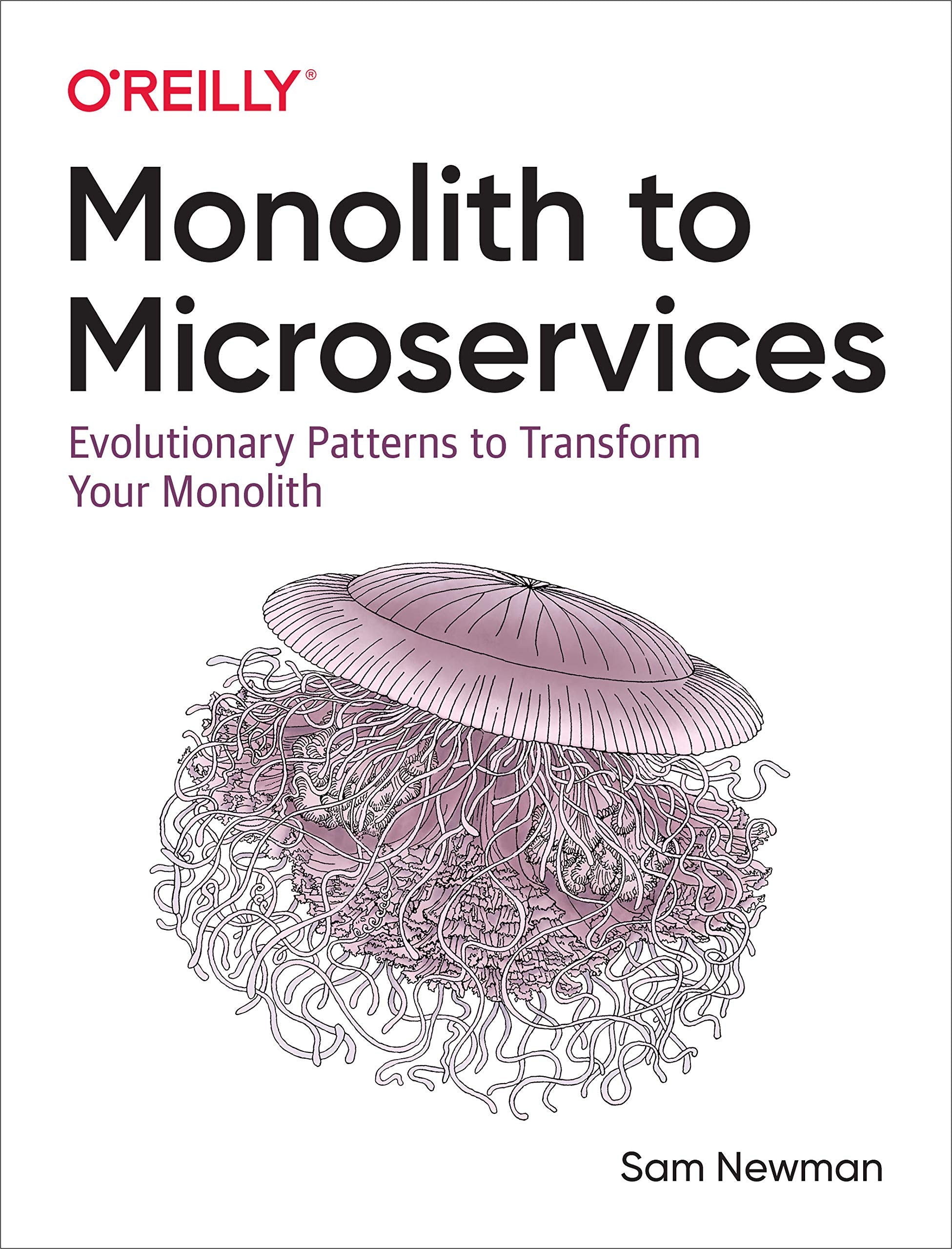
How do you detangle a monolithic system and migrate it to a microservice architecture? How do you do it while maintaining businessasusual? As a companion to Sam Newman?s extremely popular Building Microservices, this new book details a proven method for transitioning an existing monolithic system to a microservice architecture.With many illustrative examples, insightful migration patterns, and a bevy of practical advice to transition your monolith enterprise into a microservice operation, this practical guide covers multiple scenarios and strategies for a successful migration, from initial planning all the way through application and database decomposition. You?ll learn several tried and tested patterns and techniques that you can use as you migrate your existing architecture. Ideal for organizations looking to transition to microservices, rather than rebuild Helps companies determine whether to migrate, when to migrate, and where to begin Addresses communication, integration, and the migration of legacy systems Discusses multiple migration patterns and where they apply Provides database migration examples, along with synchronization strategies Explores application decomposition, including several architectural refactoring patterns Delves into details of database decomposition, including the impact of breaking referential and transactional integrity, new failure modes, and more
⚠️ WARNING (California Proposition 65):
This product may contain chemicals known to the State of California to cause cancer,
birth defects, or other reproductive harm.
For MAP (Minimum Advertised Price) violations and Intellectual Property (IP) or Trademark concerns, please contact:
support@ergodebooks.com
⚠️ California Proposition 65 Warning: Some products sold on this website may expose you to chemicals known to the State of California to cause cancer, birth defects, or other reproductive harm. For more information, visit www.P65Warnings.ca.gov.