If you have any questions, you are always welcome to contact us. We'll get back to you as soon as possible, withing 24 hours on weekdays.
Customer service
All questions about your order, return and delivery must be sent to our customer service team by e-mail at yourstore@yourdomain.com
Sale & Press
If you are interested in selling our products, need more information about our brand or wish to make a collaboration, please contact us at press@yourdomain.com
Help
If you have any questions, you are always welcome to contact us. We'll get back to you as soon as possible, withing 24 hours on weekdays.
Customer service
All questions about your order, return and delivery must be sent to our customer service team by e-mail at yourstore@yourdomain.com
Sale & Press
If you are interested in selling our products, need more information about our brand or wish to make a collaboration, please contact us at press@yourdomain.com
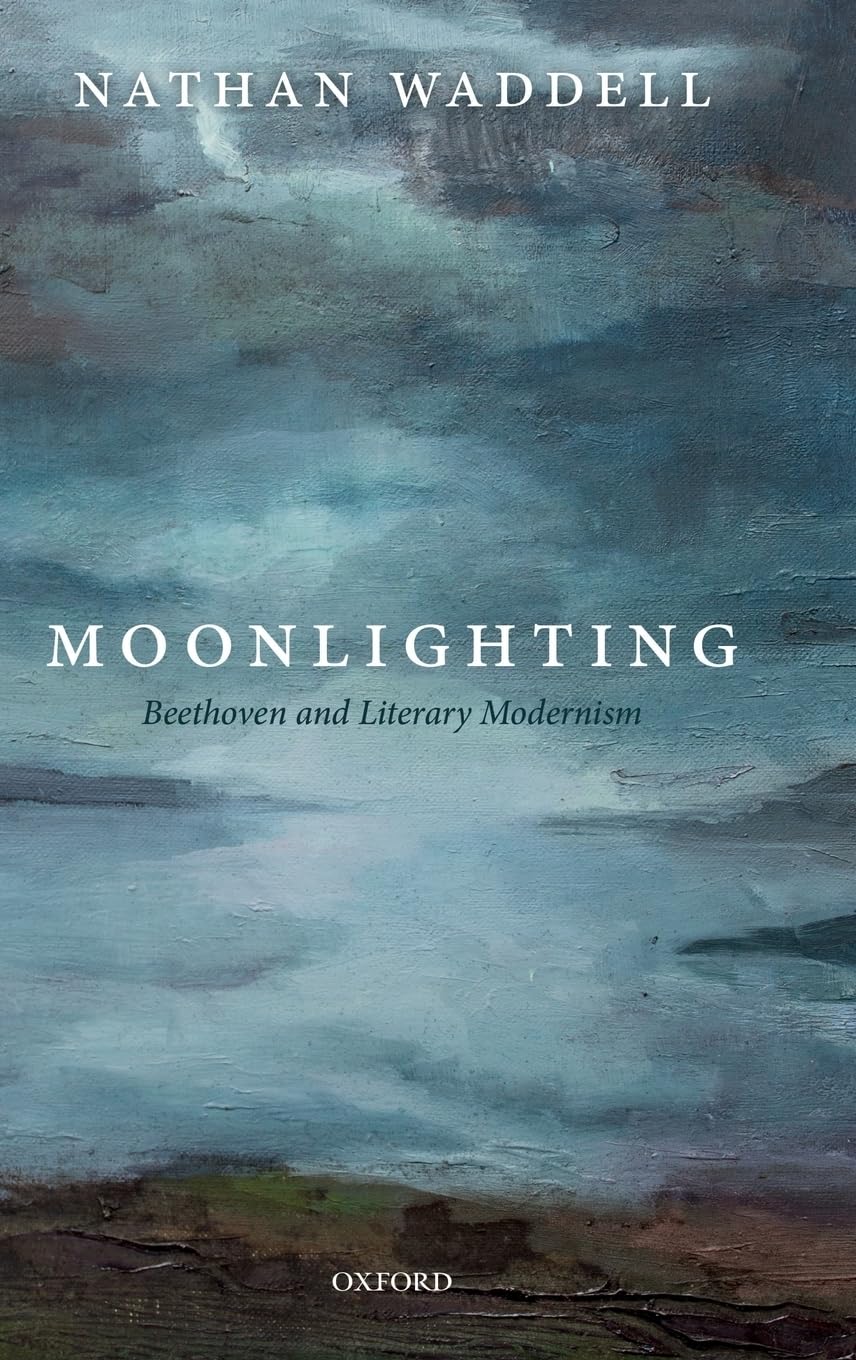
How and why did the life and music of Ludwig van Beethoven (17701827) matter to experimental writers in the early twentieth century? Previous answers to this question have tended to focus on structural analogies between musical works and literary texts, charting the many different ways in which poetry and prose resemble Beethoven's compositions. This book takes a different approach. It focuses on how early twentiethcentury writerschief among them E. M. Forster, Aldous Huxley, Wyndham Lewis, Dorothy Richardson, Rebecca West, and Virginia Woolfprofited from the representational conventions associated in the nineteenth century and beyond with Beethovenian culture.The emphasis of Moonlighting falls for the most part on how modernist writers made use of Beethovenian legend. It is concerned neither with formal similarities between Beethoven's music and modernist writing nor with the music of Beethoven per se, but with certain ways of understanding Beethoven's music which had long before 1900 taken shape as habit, myth, cliche, and fantasy, and with the influence they had on experimental writing up to 1930. Moonlighting suggests that the modernists drew knowingly and creatively on the conventional. It proposes that many of the most experimental works of modernist literature were shaped by a knowing reliance on Beethovenian consensus; in short, that the literary modernists knew Beethovenian legend when they saw it, and that they were eager to use it.
⚠️ WARNING (California Proposition 65):
This product may contain chemicals known to the State of California to cause cancer,
birth defects, or other reproductive harm.
For MAP (Minimum Advertised Price) violations and Intellectual Property (IP) or Trademark concerns, please contact:
support@ergodebooks.com
⚠️ California Proposition 65 Warning: Some products sold on this website may expose you to chemicals known to the State of California to cause cancer, birth defects, or other reproductive harm. For more information, visit www.P65Warnings.ca.gov.