If you have any questions, you are always welcome to contact us. We'll get back to you as soon as possible, withing 24 hours on weekdays.
Customer service
All questions about your order, return and delivery must be sent to our customer service team by e-mail at yourstore@yourdomain.com
Sale & Press
If you are interested in selling our products, need more information about our brand or wish to make a collaboration, please contact us at press@yourdomain.com
Help
If you have any questions, you are always welcome to contact us. We'll get back to you as soon as possible, withing 24 hours on weekdays.
Customer service
All questions about your order, return and delivery must be sent to our customer service team by e-mail at yourstore@yourdomain.com
Sale & Press
If you are interested in selling our products, need more information about our brand or wish to make a collaboration, please contact us at press@yourdomain.com
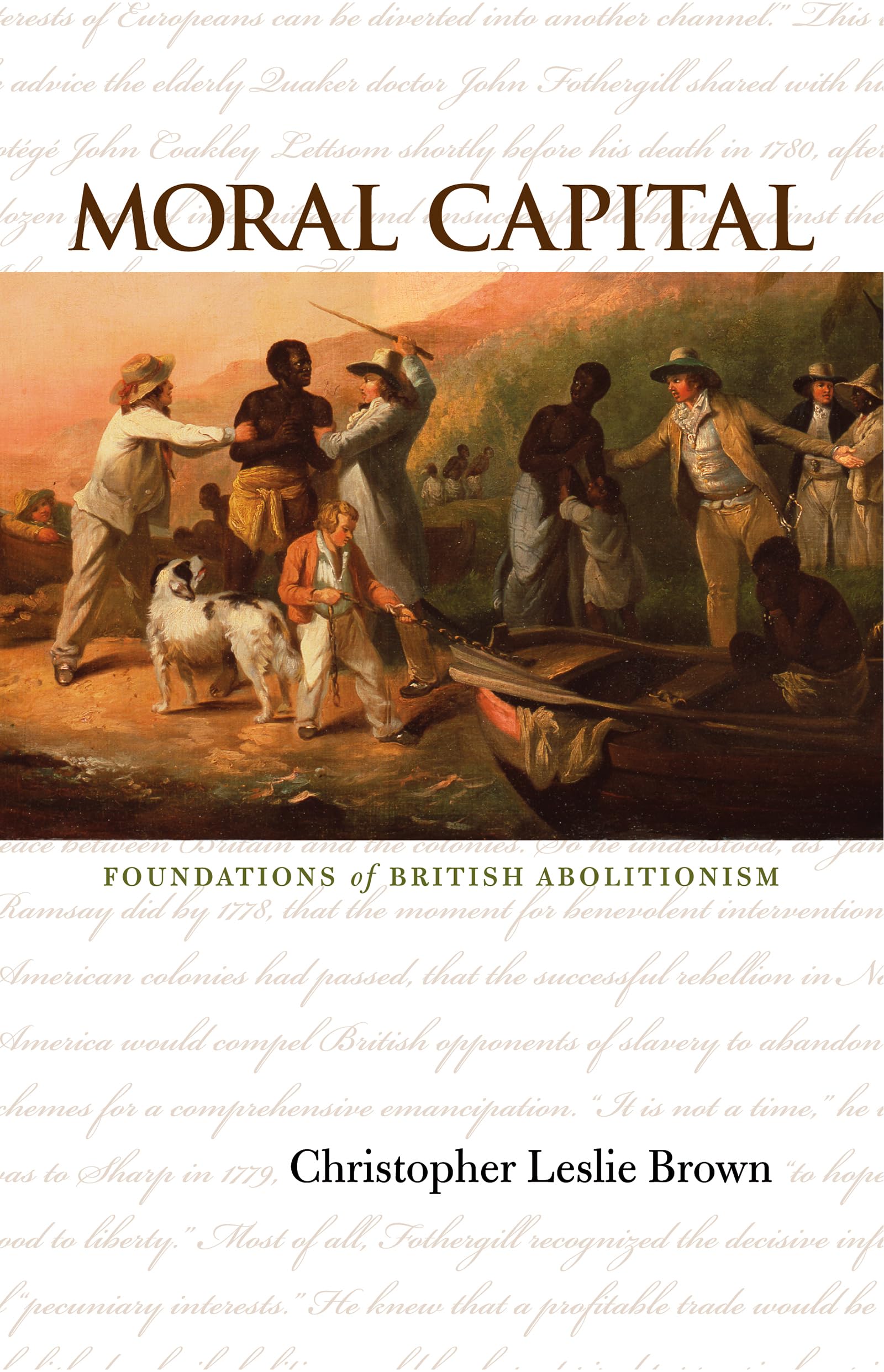
Revisiting The Origins Of The British Antislavery Movement Of The Late Eighteenth Century, Christopher Leslie Brown Challenges Prevailing Scholarly Arguments That Locate The Roots Of Abolitionism In Economic Determinism Or Bourgeois Humanitarianism. Brown Instead Connects The Shift From Sentiment To Action To Changing Views Of Empire And Nation In Britain At The Time, Particularly The Anxieties And Dislocations Spurred By The American Revolution.The Debate Over The Political Rights Of The North American Colonies Pushed Slavery To The Fore, Brown Argues, Giving Antislavery Organizing The Moral Legitimacy In Britain It Had Never Had Before. The First Emancipation Schemes Were Dependent On Efforts To Strengthen The Role Of The Imperial State In An Era Of Weakening Overseas Authority. By Looking At The Initial Public Contest Over Slavery, Brown Connects Disparate Strands Of The British Atlantic World And Brings Into Focus Shifting Developments In British Identity, Attitudes Toward Africa, Definitions Of Imperial Mission, The Rise Of Anglican Evangelicalism, And Quaker Activism.Demonstrating How Challenges To The Slave System Could Serve As A Mark Of Virtue Rather Than Evidence Of Eccentricity, Brown Shows That The Abolitionist Movement Derived Its Power From A Profound Yearning For Moral Worth In The Aftermath Of Defeat And American Independence. Thus Abolitionism Proved To Be A Cause For The Abolitionists Themselves As Much As For Enslaved Africans.
⚠️ WARNING (California Proposition 65):
This product may contain chemicals known to the State of California to cause cancer,
birth defects, or other reproductive harm.
For MAP (Minimum Advertised Price) violations and Intellectual Property (IP) or Trademark concerns, please contact:
support@ergodebooks.com
⚠️ California Proposition 65 Warning: Some products sold on this website may expose you to chemicals known to the State of California to cause cancer, birth defects, or other reproductive harm. For more information, visit www.P65Warnings.ca.gov.