
Title
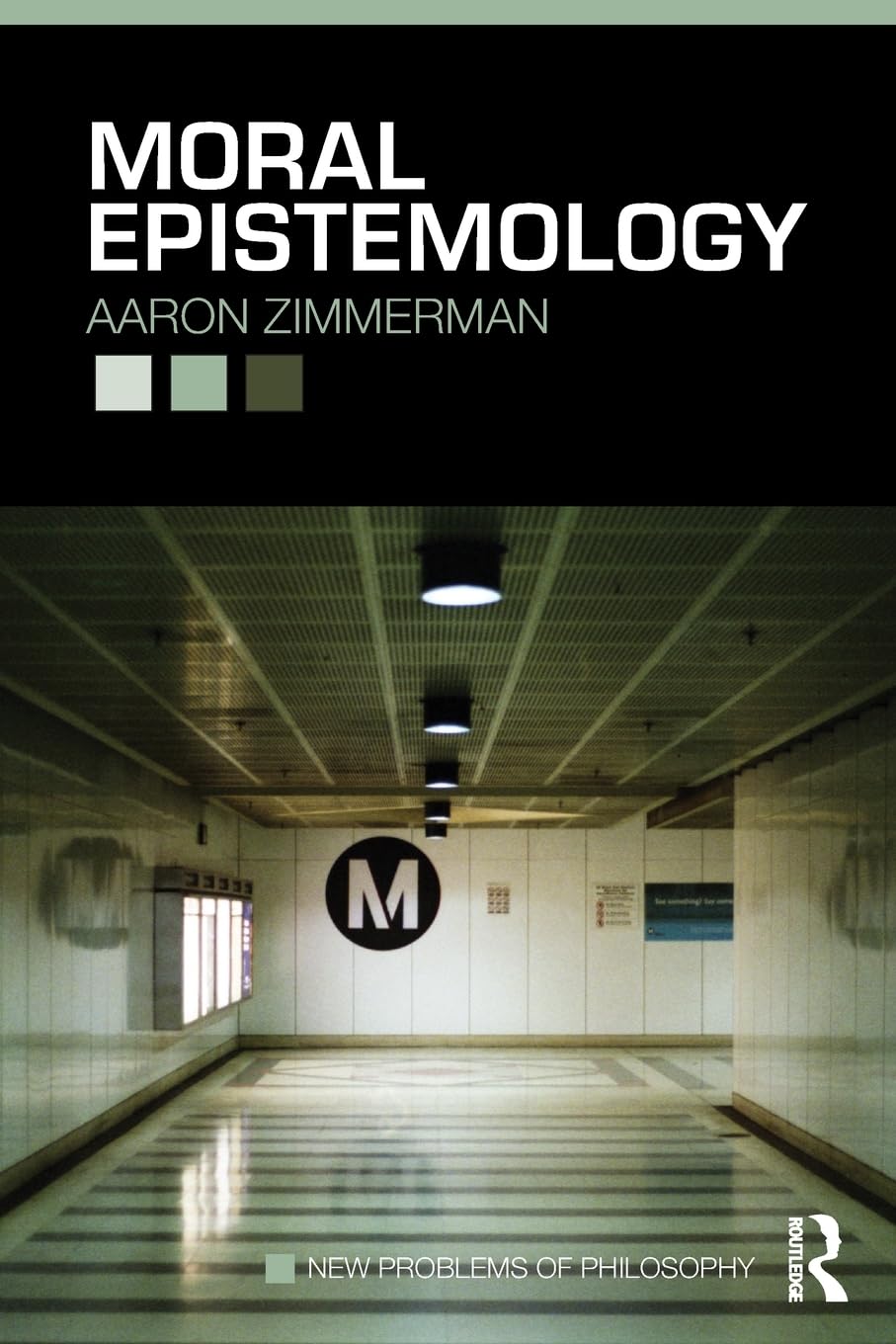
Moral Epistemology (New Problems of Philosophy),Used
Sold by Ergodebooks, an authorized reseller.
Returns accepted within 30 days | support@ergodebooks.com
Shipping Information
- Free Standard Shipping — United States only
- Processing Time: 3–5 business days
- Estimated Delivery: 6–10 business days after dispatch
- Double-boxed, fully insured & discreetly packaged
- Tracking number sent via email once dispatched
Returns & Refund
Returns accepted within 30 days of delivery.
Damaged or Defective Item
Free return shipping + replacement or full refund
Wrong Item Received
Free return shipping + replacement or full refund
Change of Mind
Return shipping at customer's expense · 25% restocking fee applies
Payment Option

How do we know right from wrong? Do we even have moral knowledge? Moral epistemology studies these and related questions about our understanding of virtue and vice. It is one of philosophys perennial problems, reaching back to Plato, Aristotle, Aquinas, Locke, Hume and Kant, and has recently been the subject of intense debate as a result of findings in developmental and social psychology.In this outstanding introduction to the subject Aaron Zimmerman covers the following key topics: What is moral epistemology? What are its methods? Including a discussion of Socrates, Gettier and contemporary theories of knowledgeskepticism about moral knowledge based on the anthropological record of deep and persistent moral disagreement, including contextualismmoral nihilism, including debates concerning God and morality and the relation between moral knowledge and our motives and reasons to act morallyepistemic moral scepticism, intuitionism and the possibility of inferring ought from is, discussing the views of Locke, Hume, Kant, Ross, Audi, Thomson, Harman, Sturgeon and many othershow children acquire moral concepts and become more reliable judgescriticisms of those who would reduce moral knowledge to valueneutral knowledge or attempt to replace moral belief with emotion.Throughout the book Zimmerman argues that our belief in moral knowledge can survive sceptical challenges. He also draws on a rich range of examples from Platos Meno and Dickens David Copperfield to Bernard Madoff and Saddam Hussein.Including chapter summaries and annotated further reading at the end of each chapter, Moral Epistemology is essential reading for all students of ethics, epistemology and moral psychology.
⚠️ WARNING (California Proposition 65):
This product may contain chemicals known to the State of California to cause cancer, birth defects, or other reproductive harm.
For more information, please visit www.P65Warnings.ca.gov.