
Title
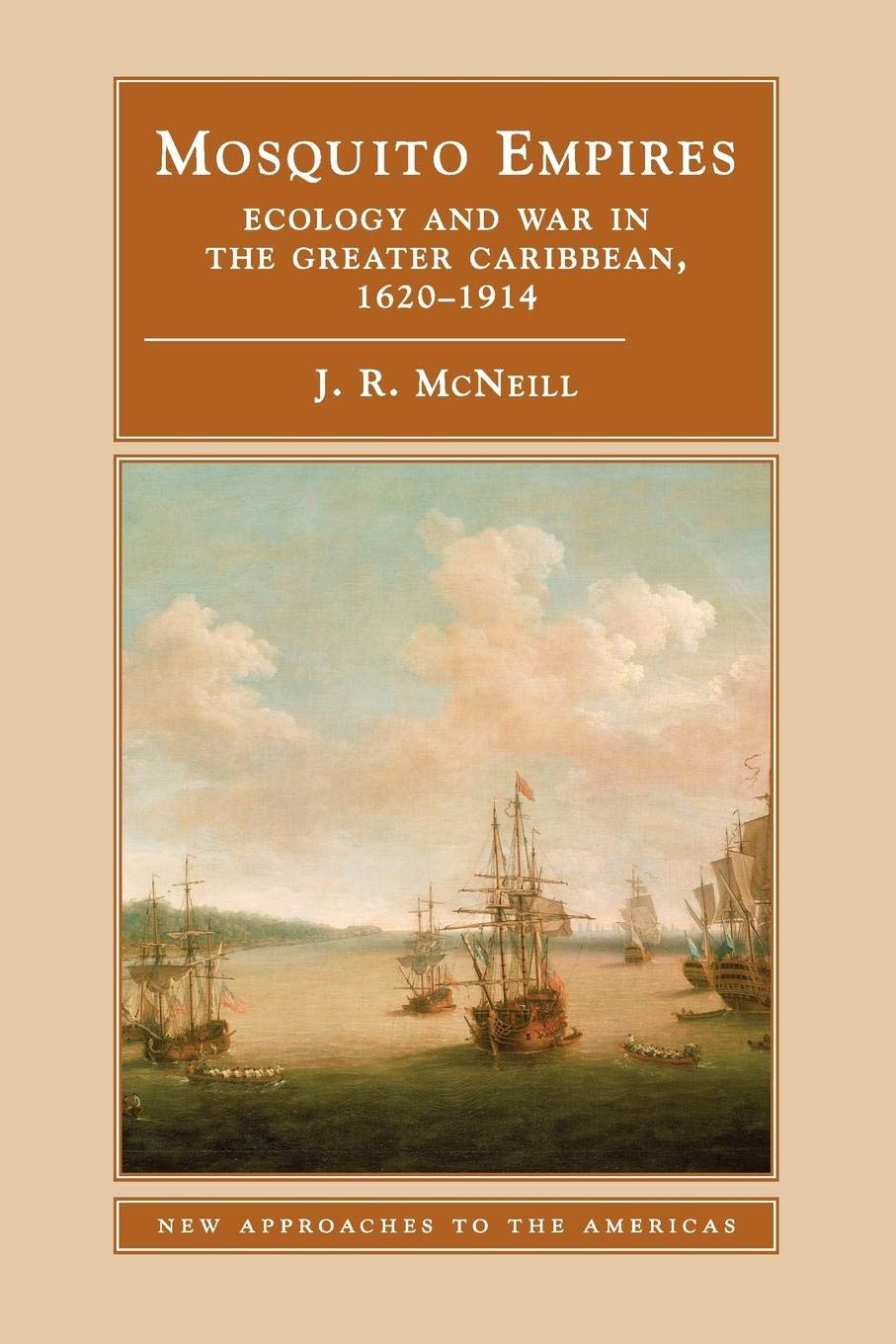
Mosquito Empires: Ecology And War In The Greater Caribbean, 16201914 (New Approaches To The Americas),Used
Sold by Ergodebooks, an authorized reseller.
Returns accepted within 30 days | support@ergodebooks.com
Shipping Information
- Free Standard Shipping — United States only
- Processing Time: 3–5 business days
- Estimated Delivery: 6–10 business days after dispatch
- Double-boxed, fully insured & discreetly packaged
- Tracking number sent via email once dispatched
Returns & Refund
Returns accepted within 30 days of delivery.
Damaged or Defective Item
Free return shipping + replacement or full refund
Wrong Item Received
Free return shipping + replacement or full refund
Change of Mind
Return shipping at customer's expense · 25% restocking fee applies
Payment Option

This Book Explores The Links Among Ecology, Disease, And International Politics In The Context Of The Greater Caribbean The Landscapes Lying Between Surinam And The Chesapeake In The Seventeenth Through Early Twentieth Centuries. Ecological Changes Made These Landscapes Especially Suitable For The Vector Mosquitoes Of Yellow Fever And Malaria, And These Diseases Wrought Systematic Havoc Among Armies And Wouldbe Settlers. Because Yellow Fever Confers Immunity On Survivors Of The Disease, And Because Malaria Confers Resistance, These Diseases Played Partisan Roles In The Struggles For Empire And Revolution, Attacking Some Populations More Severely Than Others. In Particular, Yellow Fever And Malaria Attacked Newcomers To The Region, Which Helped Keep The Spanish Empire Spanish In The Face Of Predatory Rivals In The Seventeenth And Early Eighteenth Centuries. In The Late Eighteenth And Through The Nineteenth Century, These Diseases Helped Revolutions To Succeed By Decimating Forces Sent Out From Europe To Prevent Them.
⚠️ WARNING (California Proposition 65):
This product may contain chemicals known to the State of California to cause cancer, birth defects, or other reproductive harm.
For more information, please visit www.P65Warnings.ca.gov.
- Q: How many pages does the book have? A: The book has three hundred ninety pages. This length allows for an in-depth exploration of its themes.
- Q: What is the binding type of the book? A: The book is a paperback edition. This binding is lightweight and flexible, making it easy to handle.
- Q: What are the dimensions of the book? A: The book measures five point nine nine inches in length, zero point nine eight inches in width, and nine point zero two inches in height. These dimensions make it portable for reading.
- Q: Who is the author of the book? A: The author of the book is J. R. McNeill. He is known for his expertise in environmental history.
- Q: What is the genre of this book? A: The book falls under the category of Caribbean and West Indies history. It explores the interplay between ecology and international politics.
- Q: What is the main topic covered in the book? A: The main topic is the relationship between ecology, disease, and international politics in the Greater Caribbean. It examines how these factors influenced historical events.
- Q: Is this book suitable for educational purposes? A: Yes, the book is suitable for educational purposes. It offers valuable insights into historical ecology and disease impacts.
- Q: Is this book appropriate for casual readers? A: Yes, casual readers can enjoy this book. Its engaging narrative makes complex topics accessible.
- Q: Can this book be used in a classroom setting? A: Yes, this book can be used in a classroom setting. It provides a thorough analysis of historical events and ecological themes.
- Q: How should I store this book? A: Store the book in a cool, dry place to prevent damage. Avoid exposing it to direct sunlight to maintain its condition.
- Q: Is there a warranty or return policy for this book? A: Typically, there is a return policy for books. Check with the retailer for specific details on their return process.
- Q: What if the book arrives damaged? A: If the book arrives damaged, contact the seller immediately for assistance. They will guide you through the return or exchange process.
- Q: How do I clean the book if it gets dirty? A: To clean the book, gently wipe the cover with a dry cloth. Avoid using water or cleaning solutions that could damage the pages.
- Q: Is this book suitable for beginners in history? A: Yes, the book is suitable for beginners. Its clear writing style helps readers understand complex historical themes.
- Q: Does this book have illustrations or maps? A: No, this book does not include illustrations or maps. It focuses on text-based analysis and historical narrative.