
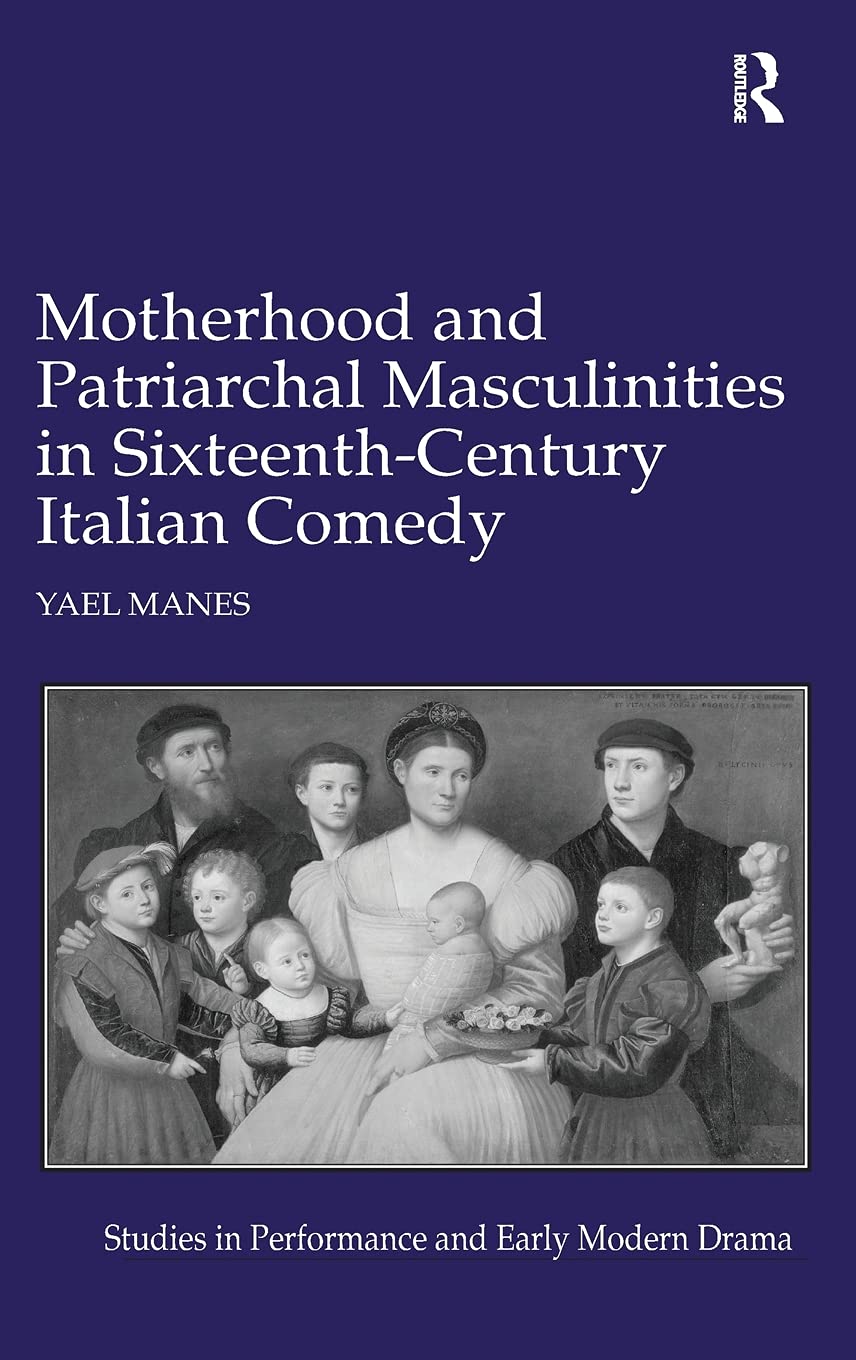
Title
Motherhood and Patriarchal Masculinities in SixteenthCentury Italian Comedy (Studies in Performance and Early Modern Drama),Used
Sold by Ergodebooks, an authorized reseller.
Returns accepted within 30 days | support@ergodebooks.com
Shipping Information
- Free Standard Shipping — United States only
- Processing Time: 3–5 business days
- Estimated Delivery: 6–10 business days after dispatch
- Double-boxed, fully insured & discreetly packaged
- Tracking number sent via email once dispatched
Returns & Refund
Returns accepted within 30 days of delivery.
Damaged or Defective Item
Free return shipping + replacement or full refund
Wrong Item Received
Free return shipping + replacement or full refund
Change of Mind
Return shipping at customer's expense · 25% restocking fee applies
Payment Option

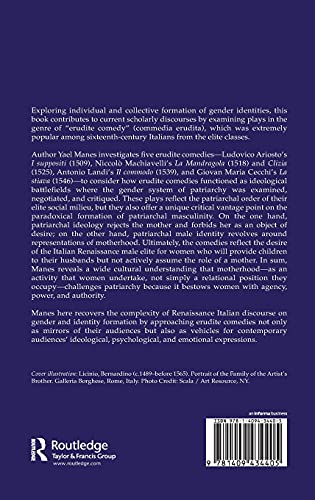
Exploring individual and collective formation of gender identities, this book contributes to current scholarly discourses by examining plays in the genre of 'erudite comedy' (commedia erudita), which was extremely popular among sixteenthcentury Italians from the elite classes. Author Yael Manes investigates five erudite comediesLudovico Ariosto's I suppositi (1509), Niccol Machiavelli's La Mandragola (1518) and Clizia (1525), Antonio Landi's Il commodo (1539), and Giovan Maria Cecchi's La stiava (1546)to consider how erudite comedies functioned as ideological battlefields where the gender system of patriarchy was examined, negotiated, and critiqued. These plays reflect the patriarchal order of their elite social milieu, but they also offer a unique critical vantage point on the paradoxical formation of patriarchal masculinity. On the one hand, patriarchal ideology rejects the mother and forbids her as an object of desire; on the other hand, patriarchal male identity revolves around representations of motherhood. Ultimately, the comedies reflect the desire of the Italian Renaissance male elite for women who will provide children to their husbands but not actively assume the role of a mother. In sum, Manes reveals a wide cultural understanding that motherhoodas an activity that women undertake, not simply a relational position they occupychallenges patriarchy because it bestows women with agency, power, and authority. Manes here recovers the complexity of Renaissance Italian discourse on gender and identity formation by approaching erudite comedies not only as mirrors of their audiences but also as vehicles for contemporary audiences' ideological, psychological, and emotional expressions.
⚠️ WARNING (California Proposition 65):
This product may contain chemicals known to the State of California to cause cancer, birth defects, or other reproductive harm.
For more information, please visit www.P65Warnings.ca.gov.