
Title
Mount Sinai,Used
Sold by Ergodebooks, an authorized reseller.
Returns accepted within 30 days | support@ergodebooks.com
Shipping Information
- Free Standard Shipping — United States only
- Processing Time: 3–5 business days
- Estimated Delivery: 6–10 business days after dispatch
- Double-boxed, fully insured & discreetly packaged
- Tracking number sent via email once dispatched
Returns & Refund
Returns accepted within 30 days of delivery.
Damaged or Defective Item
Free return shipping + replacement or full refund
Wrong Item Received
Free return shipping + replacement or full refund
Change of Mind
Return shipping at customer's expense · 25% restocking fee applies
Payment Option

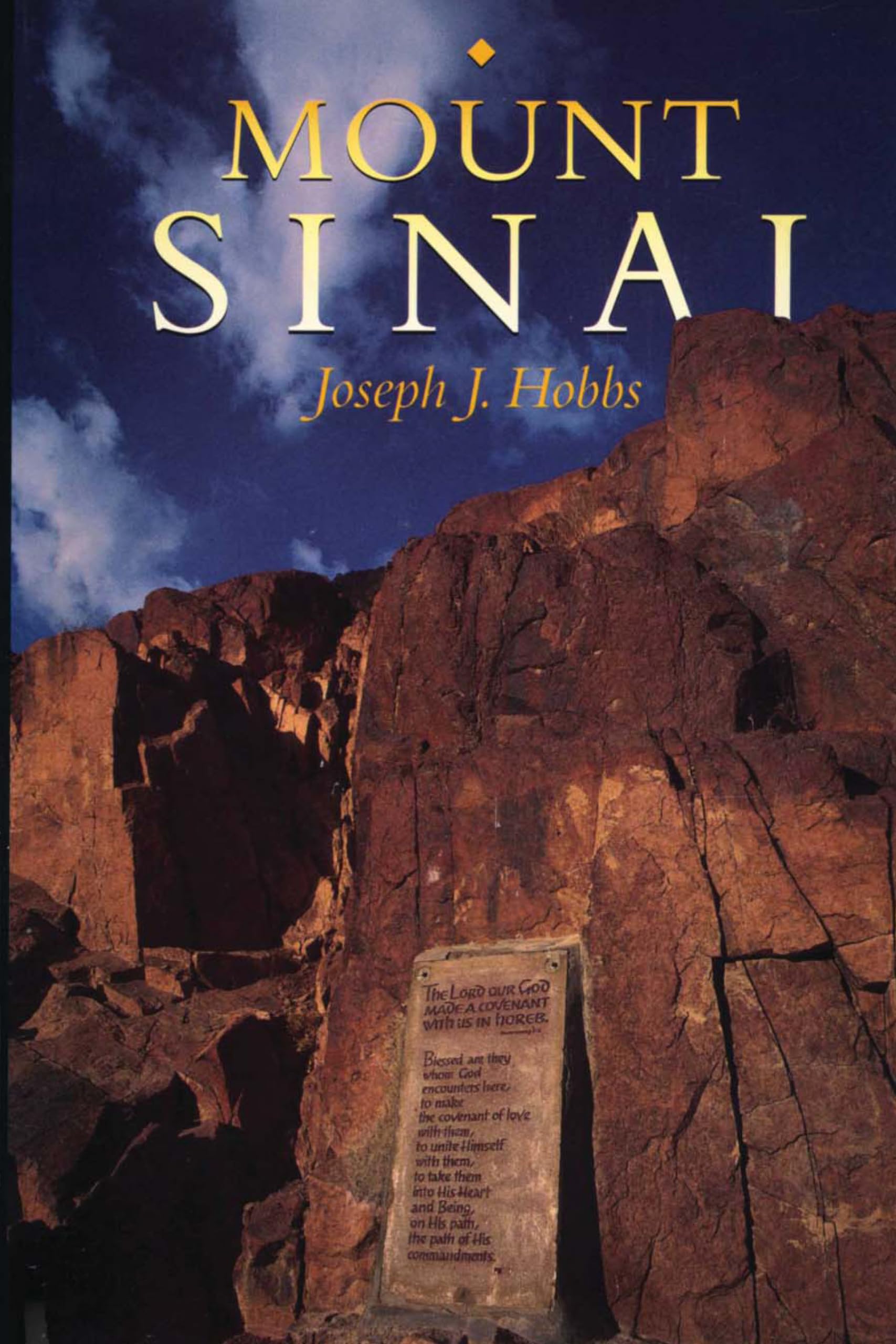
Amid the high mountains of Egypt's southern Sinai Peninsula stands Jebel Musa, 'Mount Moses,' revered by most Christians and Muslims as Mount Sinai. (Jewish tradition holds that Mount Sinai should remain terra incognita, unlocated, and does not associate it with this mountain.) In this fascinating study, Joseph Hobbs draws on geography and archaeology, Biblical and Quranic accounts, and the experiences of people ranging from Christian monks to Bedouin shepherds to casual tourists to explore why this mountain came to be revered as a sacred place and how that very perception now threatens its fragile ecology and its sense of holy solitude.After discussing the physical characteristics of Jebel Musa and the debate that selected it as the most probable Mount Sinai, Hobbs fully describes all Christian and Muslim sacred sites around the mountain. He views Mount Sinai from the perspectives of the centurieslong inhabitants of the regionthe monks of the Monastery of St. Katherine and the Jabaliya Bedouinsand of tourists and pilgrims, from medieval Europeans to modern travelers dispirited by Western industrialization.Hobbs concludes his account with the recent international debate over whether to build a cable car on Mount Sinai and with an unflinching description of the negative impact of tourism on the delicate desert environment. His book raises important, troubling questions for everyone concerned about the fate of the earth's wild and sacred places.
⚠️ WARNING (California Proposition 65):
This product may contain chemicals known to the State of California to cause cancer, birth defects, or other reproductive harm.
For more information, please visit www.P65Warnings.ca.gov.
- Q: What is the main subject of 'Mount Sinai' by Joseph Hobbs? A: 'Mount Sinai' explores the significance of Jebel Musa, a mountain in Egypt's Sinai Peninsula, as a revered sacred site for Christians and Muslims, detailing its geography, archaeology, and the impact of tourism.
- Q: Who is the author of 'Mount Sinai' and what are his credentials? A: The author, Joseph Hobbs, is an expert who draws on geographical and archaeological research, as well as religious texts, to provide an in-depth analysis of Mount Sinai's historical and cultural significance.
- Q: What is the page count of 'Mount Sinai'? A: 'Mount Sinai' contains 377 pages, offering a comprehensive examination of the mountain's history, significance, and the ecological issues it faces.
- Q: What type of binding does 'Mount Sinai' have? A: 'Mount Sinai' is available in paperback binding, making it a lightweight and portable option for readers.
- Q: When was 'Mount Sinai' published? A: 'Mount Sinai' was published on June 1, 1995, and has been a resource for understanding the cultural and ecological aspects of the region since then.
- Q: Does 'Mount Sinai' discuss the ecological impact of tourism? A: Yes, the book addresses the negative effects of tourism on the delicate environment of Mount Sinai, highlighting concerns about preserving its natural and sacred qualities.
- Q: Is 'Mount Sinai' suitable for academic study? A: 'Mount Sinai' is well-suited for academic study as it incorporates various perspectives, including geographic, archaeological, and religious viewpoints, making it a valuable resource for scholars.
- Q: What themes are explored in 'Mount Sinai'? A: 'Mount Sinai' explores themes of religious reverence, the historical significance of sacred sites, the impact of modern tourism, and the need for ecological preservation.
- Q: Are there any illustrations or maps included in 'Mount Sinai'? A: The book may include illustrations or maps to enhance understanding of the geographical context, but specific details about visuals are not mentioned in the product description.
- Q: What is the significance of Jebel Musa in religious traditions? A: Jebel Musa is significant as it is considered by many Christians and Muslims to be the site where Moses received the Ten Commandments, making it a key location in both religious traditions.