
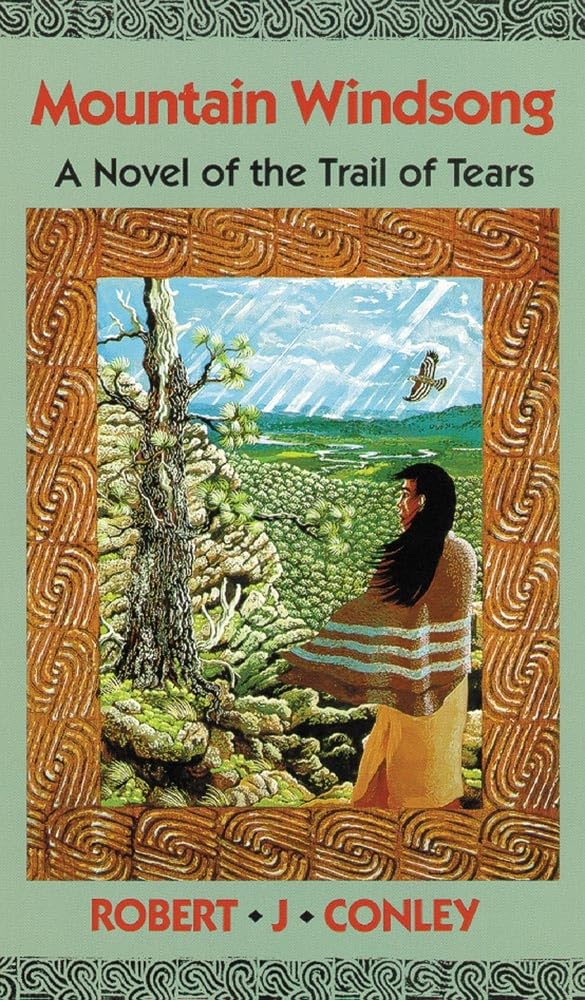
Title
Mountain Windsong: A Novel of the Trail of Tears,Used
Sold by Ergodebooks, an authorized reseller.
Returns accepted within 30 days | support@ergodebooks.com
Shipping Information
- Free Standard Shipping — United States only
- Processing Time: 3–5 business days
- Estimated Delivery: 6–10 business days after dispatch
- Double-boxed, fully insured & discreetly packaged
- Tracking number sent via email once dispatched
Returns & Refund
Returns accepted within 30 days of delivery.
Damaged or Defective Item
Free return shipping + replacement or full refund
Wrong Item Received
Free return shipping + replacement or full refund
Change of Mind
Return shipping at customer's expense · 25% restocking fee applies
Payment Option

Set against the tragic events of the Cherokees' removal from their traditional lands in North Carolina to Indian Territory between 18351838, Mountain Windsong is a love story that brings to life the suffering and endurance of the Cherokee people. It is the moving tale of Waguli (Whippoorwill') and Oconeechee, a young Cherokee man and woman separated by the Trail of Tears. Just as they are about to be married, Waguli is captured be federal soldiers and, along with thousands of other Cherokees, taken west, on foot and then by steamboat, to what is now eastern Oklahoma. Though many die along the way, Waguli survives, drowning his shame and sorrow in alcohol. Oconeechee, among the few Cherokees who remain behind, hidden in the mountains, embarks on a courageous search for Waguli.Robert J. Conley makes use of song, legend, and historical documents to weave the rich texture of the story, which is told through several, sometimes contradictory, voices. The traditional narrative of the Trail of Tears is told to a young contemporary Cherokee boy by his grandfather, presented in bits and pieces as they go about their everyday chores in rural North Carolina. The telling is neiter bitter nor hostile; it is sympathetic by unsentimental. An ironic third point of view, detached and often adversarial, is provided by the historical documents interspersed through the novel, from the text of the removal treaty to Ralph Waldo Emerson's letter to the president of the United States in protest of the removal. In this layering of contradictory elements, Conley implies questions about the relationships between history and legend, storytelling and mythmaking.Inspired by the lyrics of Don Grooms's song 'Whippoorwill,' which open many chapters in the text, Conley has written a novel both meticulously accurate and deeply moving.
⚠️ WARNING (California Proposition 65):
This product may contain chemicals known to the State of California to cause cancer, birth defects, or other reproductive harm.
For more information, please visit www.P65Warnings.ca.gov.