
Title
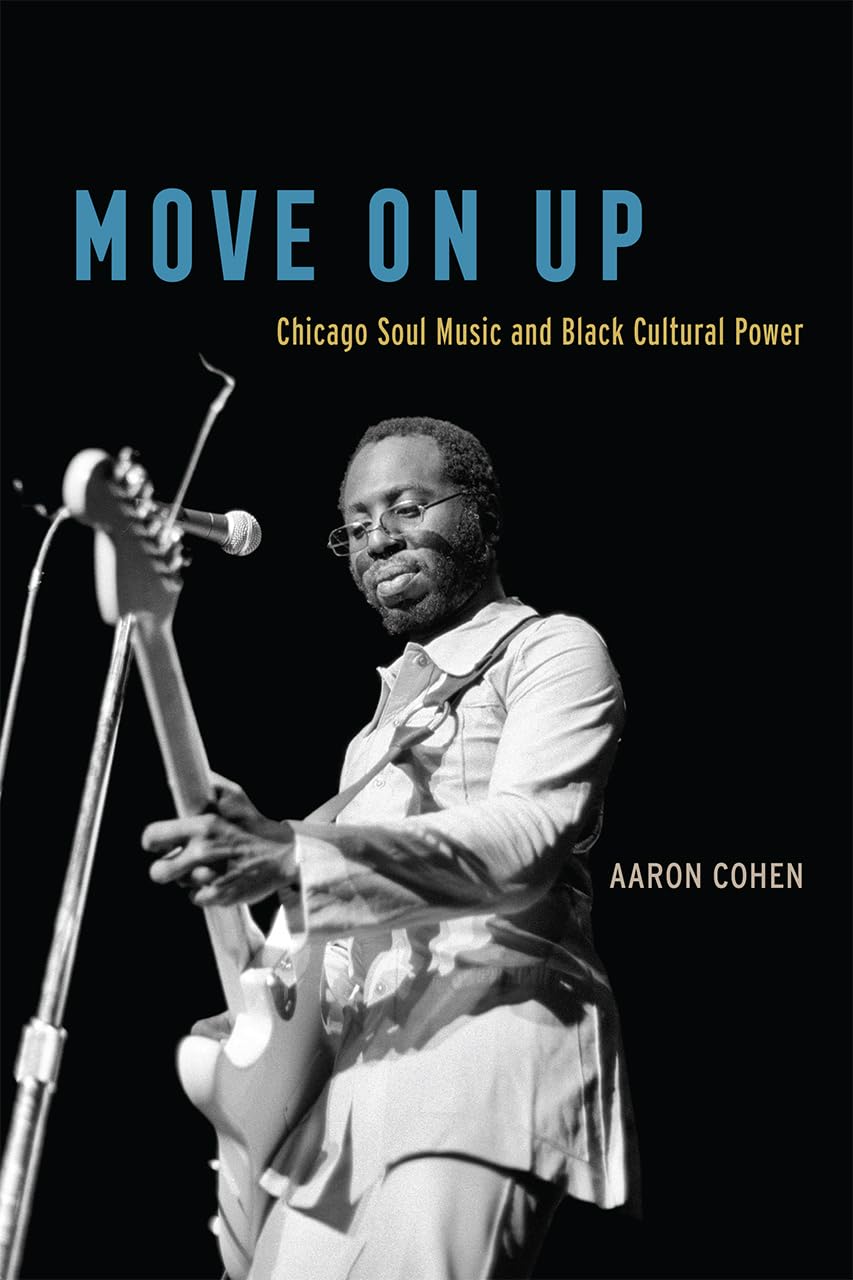
Move On Up: Chicago Soul Music and Black Cultural Power,Used
Sold by Ergodebooks, an authorized reseller.
Returns accepted within 30 days | support@ergodebooks.com
Shipping Information
- Free Standard Shipping — United States only
- Processing Time: 3–5 business days
- Estimated Delivery: 6–10 business days after dispatch
- Double-boxed, fully insured & discreetly packaged
- Tracking number sent via email once dispatched
Returns & Refund
Returns accepted within 30 days of delivery.
Damaged or Defective Item
Free return shipping + replacement or full refund
Wrong Item Received
Free return shipping + replacement or full refund
Change of Mind
Return shipping at customer's expense · 25% restocking fee applies
Payment Option

A Chicago Tribune Book of 2019, Notable Chicago ReadsA Booklist Top 10 Arts Book of 2019A No Depression Top Music Book of 2019Curtis Mayfield. The ChiLites. Chaka Khan. Chicagos place in the history of soul music is rock solid. But for Chicagoans, soul music in its heyday from the 1960s to the 1980s was more than just a series of hits: it was a marker and a source of black empowerment. In Move On Up, Aaron Cohen tells the remarkable story of the explosion of soul music in Chicago. Together, soul music and blackowned businesses thrived. Record producers and songwriters broadcast optimism for black Americas future through their sophisticated, jazzinspired productions for the Dells and many others. Curtis Mayfield boldly sang of uplift with unmistakable grooves like Were a Winner and I Plan to Stay a Believer. Musicians like Phil Cohran and the Pharaohs used their music to voice Afrocentric philosophies that challenged racism and segregation, while Maurice White of Earth, Wind, and Fire and Chaka Khan created music that inspired black consciousness. Soul music also accompanied the rise of African American advertisers and the campaign of Chicagos first black mayor, Harold Washington, in 1983. This empowerment was set in stark relief by the social unrest roiling in Chicago and across the nation: as Chicagos homegrown record labels produced rising stars singing songs of progress and freedom, Chicagos black middle class faced limited economic opportunities and deepseated segregation, all against a backdrop of nationwide deindustrialization.Drawing on more than one hundred interviews and a music critics passion for the unmistakable Chicago soul sound, Cohen shows us how soul music became the voice of inspiration and change for a city in turmoil.
⚠️ WARNING (California Proposition 65):
This product may contain chemicals known to the State of California to cause cancer, birth defects, or other reproductive harm.
For more information, please visit www.P65Warnings.ca.gov.