
Title
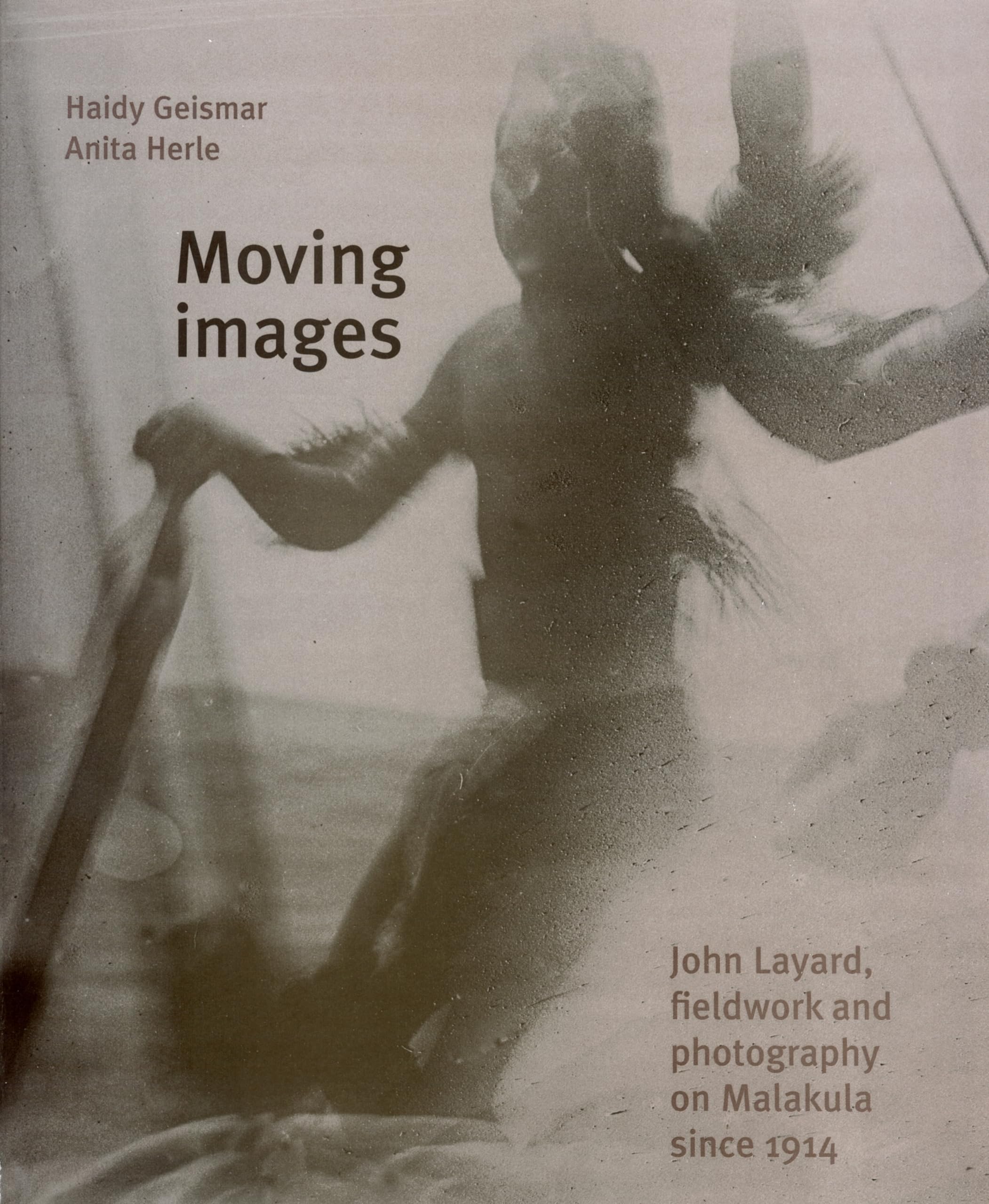
Moving Images: John Layard, Fieldwork, and Photography on Malakula since 1914,Used
Sold by Ergodebooks, an authorized reseller.
Returns accepted within 30 days | support@ergodebooks.com
Shipping Information
- Free Standard Shipping — United States only
- Processing Time: 3–5 business days
- Estimated Delivery: 6–10 business days after dispatch
- Double-boxed, fully insured & discreetly packaged
- Tracking number sent via email once dispatched
Returns & Refund
Returns accepted within 30 days of delivery.
Damaged or Defective Item
Free return shipping + replacement or full refund
Wrong Item Received
Free return shipping + replacement or full refund
Change of Mind
Return shipping at customer's expense · 25% restocking fee applies
Payment Option

In 19141915, Cambridge anthropologist John Layard worked in Malakula, New Hebrides (Vanuatu). This was one of the earliest periods of solitary, intensive fieldwork within the developing discipline of British social anthropology. Layard worked enthusiastically with his local assistants to document and understand the customary lives of the people, taking copious notes and over 450 photographs. His collection of objects and glass plate negatives are housed in the University of Cambridge Museum of Archaeology and Anthropology. This book contains over 300 of these evocative images, most previously unpublished, united for the first time with Layards field notes and captions. They provide an extraordinary record of the elaborate ritual and culture of Small Islanders and reveal photographys role as an evidential and subjective medium vital to the practice of social anthropology.Layards photographs have played a crucial role in forming ideas about culture and society, both in Vanuatu and within anthropology. His writings and images have recently been used by niVanuatu as records of traditional life and to encourage cultural revitalization. Moving Images fully explores the resonance of Layards images in the intellectual history of anthropology and illuminates the social history of the discipline as a crosscultural enterprise that connects Western scholarship to indigenous interests in the encounter of fieldwork.
⚠️ WARNING (California Proposition 65):
This product may contain chemicals known to the State of California to cause cancer, birth defects, or other reproductive harm.
For more information, please visit www.P65Warnings.ca.gov.