If you have any questions, you are always welcome to contact us. We'll get back to you as soon as possible, withing 24 hours on weekdays.
Customer service
All questions about your order, return and delivery must be sent to our customer service team by e-mail at yourstore@yourdomain.com
Sale & Press
If you are interested in selling our products, need more information about our brand or wish to make a collaboration, please contact us at press@yourdomain.com
Help
If you have any questions, you are always welcome to contact us. We'll get back to you as soon as possible, withing 24 hours on weekdays.
Customer service
All questions about your order, return and delivery must be sent to our customer service team by e-mail at yourstore@yourdomain.com
Sale & Press
If you are interested in selling our products, need more information about our brand or wish to make a collaboration, please contact us at press@yourdomain.com
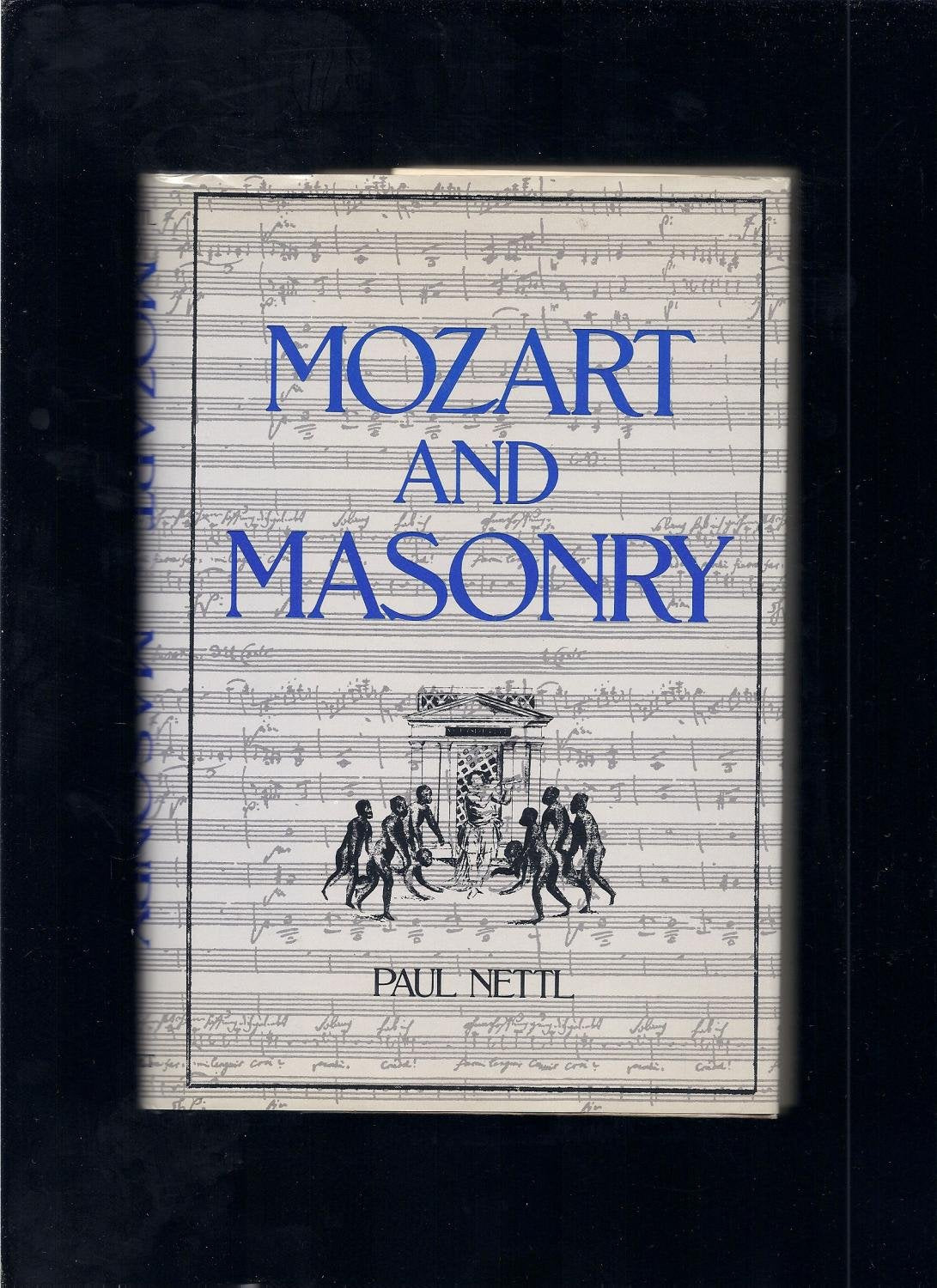
The eighteenth century is considered the pinnacle of Masonic development. In England and France Freemasonry already had a social character along with its moral and ethical sides, and during the Age of Reason many of the ablest men in Europe joined its ranks. Its converts were largely aristocrats and, to a lesser extent, philosophers and poets. But most important for the intellectual history of Masonry was Mozart, because the Magic Flute, one of the greatest art works of all time, was the direct result of Mozart's Masonic associations. In Mozart and Masonry, Paul Nettl, an internationally recognized musical authority, analyzes Mozart's Masonic career and his Masonic compositions with special emphasis on the "Magic Flute." Professor Nettl uses as his background material the general history of Freemasonry. The book deals as well with the Masonic connections of other great composers such as Beethoven, Wagner and Sibelius. Under this novel interpretation Masonry assumes a new and most illuminating role in music history. Nettl ?nds even a Masonic style in the music of the eighteenth century, a style which embodies the ideas of liberalism and humanity found at the core of Freemasonry. Masonic songbooks, cantatas and operas are also brought to light and analyzed. This history of music within the masonic ritual, music supplied by Mozart also tells of how Mozart was received among other masons. Information on the Magic Flute and attempted sequels thereafter. Mozart from another side.
⚠️ WARNING (California Proposition 65):
This product may contain chemicals known to the State of California to cause cancer,
birth defects, or other reproductive harm.
For MAP (Minimum Advertised Price) violations and Intellectual Property (IP) or Trademark concerns, please contact:
support@ergodebooks.com
⚠️ California Proposition 65 Warning: Some products sold on this website may expose you to chemicals known to the State of California to cause cancer, birth defects, or other reproductive harm. For more information, visit www.P65Warnings.ca.gov.