
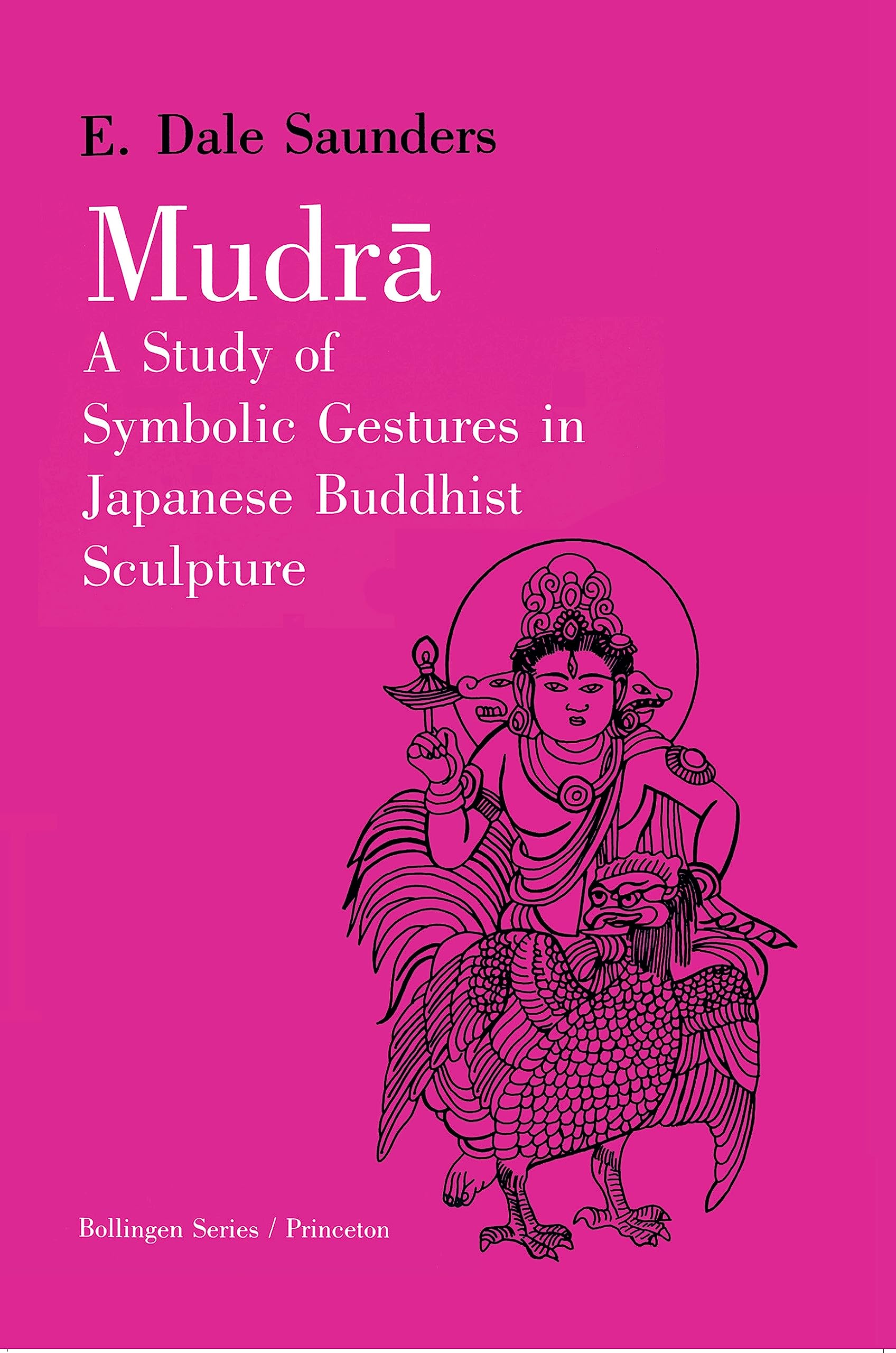
Title
Mudra: A Study Of Symbolic Gestures In Japanese Buddhist Sculpture
Sold by Ergodebooks, an authorized reseller.
Returns accepted within 30 days | support@ergodebooks.com
Shipping Information
- Free Standard Shipping — United States only
- Processing Time: 3–5 business days
- Estimated Delivery: 6–10 business days after dispatch
- Double-boxed, fully insured & discreetly packaged
- Tracking number sent via email once dispatched
Returns & Refund
Returns accepted within 30 days of delivery.
Damaged or Defective Item
Free return shipping + replacement or full refund
Wrong Item Received
Free return shipping + replacement or full refund
Change of Mind
Return shipping at customer's expense · 25% restocking fee applies
Payment Option

Appearing For The First Time In Paperback And Illustrated With Line Drawings, Diagrams, And 26 Halftone Plates, This Study Of The Iconographic Aspect Of Japanese Buddhist Sculpture Surveys The Significance Of Eight Principal And Six Secondary Hand Gestures (Mudra), In Addition To The Postures (Asana), Such As The Lotus, And The Symbolic Attributes. A Pictorial Index Helps The Reader In Identifying The Gestures.
⚠️ WARNING (California Proposition 65):
This product may contain chemicals known to the State of California to cause cancer, birth defects, or other reproductive harm.
For more information, please visit www.P65Warnings.ca.gov.
- Q: What is the page count of this book? A: This book contains three hundred twenty pages. It provides a comprehensive study of symbolic gestures in Japanese Buddhist sculpture.
- Q: What are the dimensions of the book? A: The book measures six point fourteen inches in length, zero point eighty-three inches in width, and nine point twenty-one inches in height. These dimensions make it a portable paperback.
- Q: Who is the author of this book? A: The author of this book is Ernest Dale Saunders. He provides in-depth insights into the iconography of Japanese Buddhist sculpture.
- Q: What is the binding type of this book? A: This book is bound in paperback. This makes it lightweight and easy to handle for readers.
- Q: Is this book suitable for beginners in art studies? A: Yes, this book is suitable for beginners. It offers clear explanations and illustrations to help readers understand complex concepts.
- Q: Can I use this book for academic research? A: Yes, this book is an excellent resource for academic research. It covers significant aspects of Japanese Buddhist sculpture and includes detailed illustrations.
- Q: How do I care for this book? A: To care for this book, store it in a dry place away from direct sunlight. This will help preserve its quality and prevent fading.
- Q: Is this book safe for children? A: Yes, this book is generally safe for children. However, it contains complex themes that may require adult guidance.
- Q: What if my book arrives damaged? A: If your book arrives damaged, contact customer service for assistance. They can help you with return or replacement options.
- Q: Does this book include illustrations? A: Yes, this book includes line drawings, diagrams, and twenty-six half-tone plates. These visuals enhance the understanding of the text.
- Q: What is the main theme of this book? A: The main theme of this book is the study of symbolic gestures in Japanese Buddhist sculpture. It explores both principal and secondary hand gestures.
- Q: Can this book be used for self-study? A: Yes, this book can be effectively used for self-study. It provides comprehensive information and visual aids for independent learning.
- Q: Is this book part of a series? A: No, this book is not part of a series. It stands alone as a detailed exploration of its subject matter.
- Q: What audience is this book intended for? A: This book is intended for art students, scholars, and anyone interested in Japanese culture. It provides valuable insights into Buddhist art.
- Q: How can I enhance my understanding of the content? A: To enhance your understanding, consider taking notes while reading and referencing the pictorial index. This will aid in identifying gestures.
- Q: Is there a glossary of terms in the book? A: No, there is no separate glossary of terms. However, key concepts are explained throughout the text.