
Title
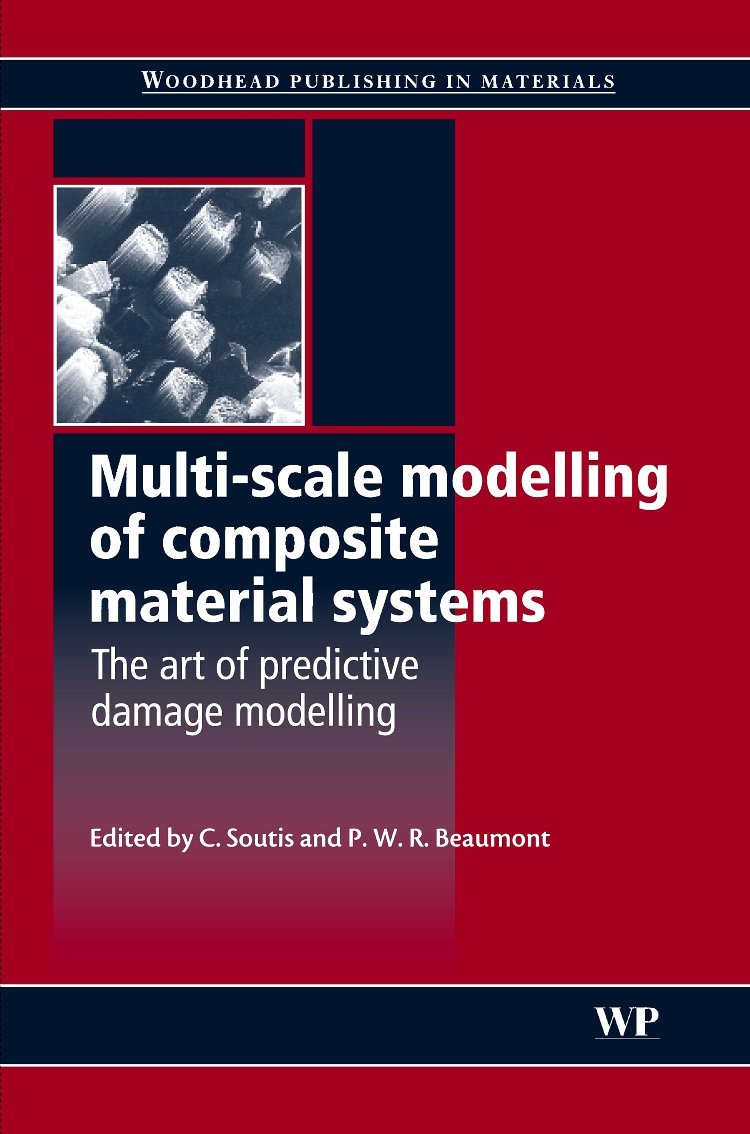
MultiScale Modelling of Composite Material Systems: The Art of Predictive Damage Modelling (Woodhead Publishing Series in Compo,Used
Sold by Ergodebooks, an authorized reseller.
Returns accepted within 30 days | support@ergodebooks.com
Shipping Information
- Free Standard Shipping — United States only
- Processing Time: 3–5 business days
- Estimated Delivery: 6–10 business days after dispatch
- Double-boxed, fully insured & discreetly packaged
- Tracking number sent via email once dispatched
Returns & Refund
Returns accepted within 30 days of delivery.
Damaged or Defective Item
Free return shipping + replacement or full refund
Wrong Item Received
Free return shipping + replacement or full refund
Change of Mind
Return shipping at customer's expense · 25% restocking fee applies
Payment Option

About the AuthorProfessor Costas Soutis is Head of Aerospace Engineering at The University of Sheffield.Dr Peter W. R.Beaumont is Reader in Engineering at the University of Cambridge.Product DescriptionOne of the most important and exciting areas of composites research is the development of modelling techniques to predict the response of composite materials to different types of stress. Predictive modelling provides the opportunity both to understand better how composites behave in different conditions and to develop materials with enhanced performance for particular industrial applications. Multiscale modelling of composite material systems summarises the key research in this area and its implications for industry.The book covers modelling approaches ranging from the micron to the metre in scale, and from the single fibre to complete composite structures. Individual chapters discuss a variety of material types from laminates and fibrereinforced composites to monolithic and sandwich composites. They also analyse a range of types of stress and stress response from fracture and impact to wear and fatigue. Authors also discuss the strengths and weaknesses of particular models.With its distinguished editors and international team of contributors, Multiscale modelling of composite material systems is a standard reference for both academics and manufacturers in such areas as aerospace, automotive and civil engineering.
⚠️ WARNING (California Proposition 65):
This product may contain chemicals known to the State of California to cause cancer, birth defects, or other reproductive harm.
For more information, please visit www.P65Warnings.ca.gov.
- Q: What is the main focus of 'Multi-Scale Modelling of Composite Material Systems'? A: The book primarily focuses on the development of predictive modelling techniques for composite materials, detailing how they respond to various types of stress and enhancing material performance for industrial applications.
- Q: Who are the authors of this book? A: The book is authored by Professor Costas Soutis, Head of Aerospace Engineering at The University of Sheffield, and Dr. Peter W. R. Beaumont, Reader in Engineering at the University of Cambridge.
- Q: What is the page count of 'Multi-Scale Modelling of Composite Material Systems'? A: The book contains 528 pages.
- Q: What type of binding does this book have? A: This book is available in hardcover binding.
- Q: When was 'Multi-Scale Modelling of Composite Material Systems' published? A: The book was published on September 12, 2005.
- Q: What category does this book fall under? A: The book is categorized under Materials Science.
- Q: Is this book suitable for both academics and industry professionals? A: Yes, the book serves as a standard reference for both academics and manufacturers in fields such as aerospace, automotive, and civil engineering.
- Q: What modeling approaches are discussed in the book? A: The book covers modeling approaches from the micron scale to the metre scale, including single fibre models to complete composite structures.
- Q: What types of stress are analyzed in this book? A: The book analyzes various stress types, including fracture, impact, wear, and fatigue.
- Q: Are there any notable strengths and weaknesses of models discussed in the book? A: Yes, the authors discuss the strengths and weaknesses of specific models used for predicting the behavior of composite materials.