
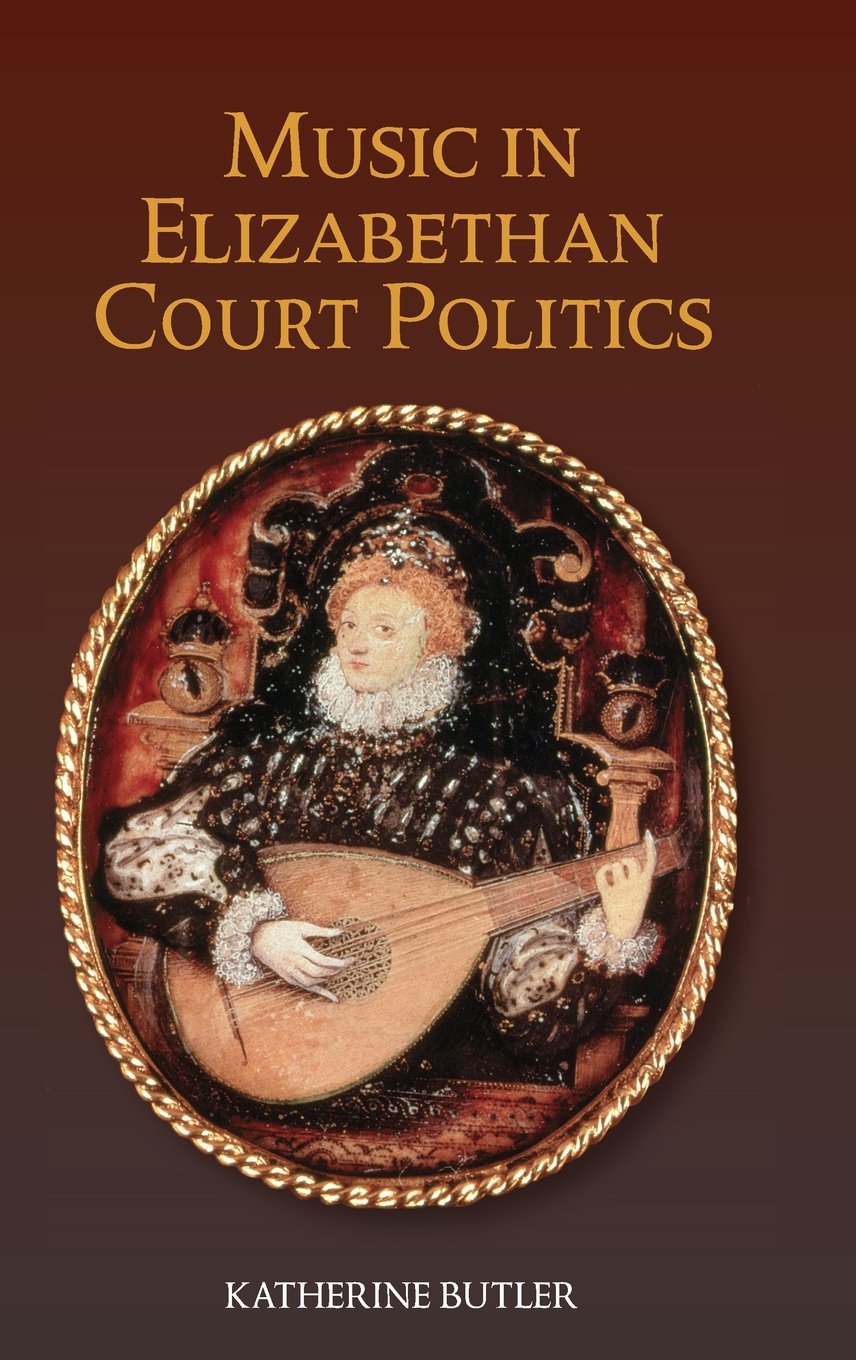
Title
Music in Elizabethan Court Politics (Studies in Medieval and Renaissance Music, 14),Used
Sold by Ergodebooks, an authorized reseller.
Returns accepted within 30 days | support@ergodebooks.com
Shipping Information
- Free Standard Shipping — United States only
- Processing Time: 3–5 business days
- Estimated Delivery: 6–10 business days after dispatch
- Double-boxed, fully insured & discreetly packaged
- Tracking number sent via email once dispatched
Returns & Refund
Returns accepted within 30 days of delivery.
Damaged or Defective Item
Free return shipping + replacement or full refund
Wrong Item Received
Free return shipping + replacement or full refund
Change of Mind
Return shipping at customer's expense · 25% restocking fee applies
Payment Option

Music and musical entertainments are here shown to be used for different ends, by both monarch and courtiers.Queen Elizabeth I (15581603) had a strong reputation for musicality; her court musicians, Thomas Tallis and William Byrd, even suggested that music was indispensable to the state. But what roles did music play in Elizabethan court politics? How did a musical image assist the Queen in projecting her royal authority? What influence did her private performances have on her courtships, diplomatic affairs, and relationships with courtiers? To what extent did Elizabeth control court music, or could others appropriate performances to enhance their own status and achieve their ambitions? Could noblemen, civic leaders, or even musicians take advantage of Elizabeth's love of music to present their complaints and petitions in song?This book unravels the connotations surrounding Elizabeth's musical image and traces the political roles of music at the Elizabethan court. It scrutinizes the most intimate performances within the Privy Chamber, analyses the masques and plays performed in the palaces, and explores the grandest musical pageantry of tournaments, civic entries, and royal progresses. This reveals how music served as a valuable means for both the tactful influencing of policies and patronage, and the construction of political identities and relationships. In the late Tudor period music was simultaneously a tool of authority for the monarch and an instrumentof persuasion for the nobility.KATHERINE BUTLER is a Senior Lecturer at Northumbria University, Newcastle.
⚠️ WARNING (California Proposition 65):
This product may contain chemicals known to the State of California to cause cancer, birth defects, or other reproductive harm.
For more information, please visit www.P65Warnings.ca.gov.