
Title
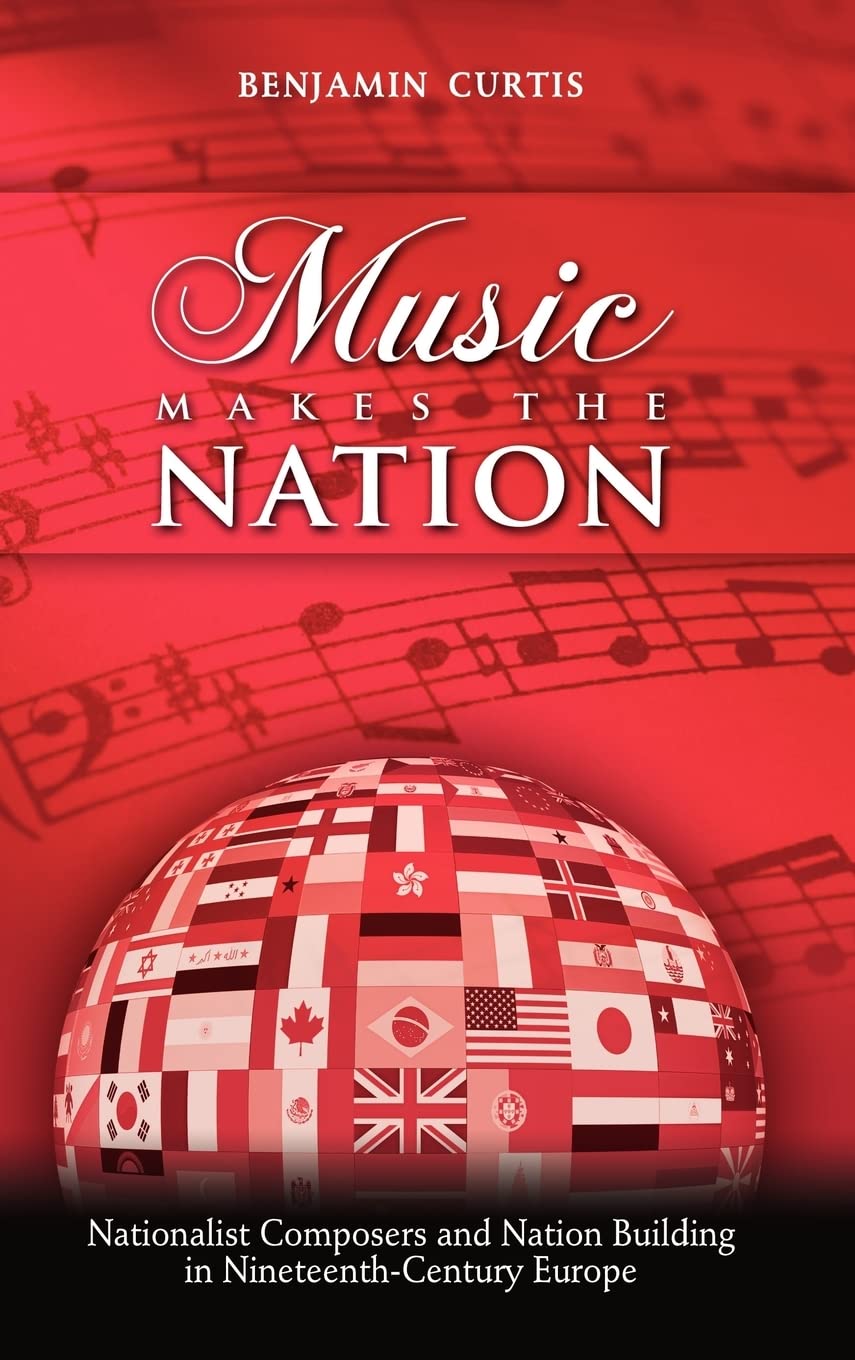
Music Makes The Nation: Nationalist Composers And Nation Building In Nineteenthcentury Europe
Sold by Ergodebooks, an authorized reseller.
Returns accepted within 30 days | support@ergodebooks.com
Shipping Information
- Free Standard Shipping — United States only
- Processing Time: 3–5 business days
- Estimated Delivery: 6–10 business days after dispatch
- Double-boxed, fully insured & discreetly packaged
- Tracking number sent via email once dispatched
Returns & Refund
Returns accepted within 30 days of delivery.
Damaged or Defective Item
Free return shipping + replacement or full refund
Wrong Item Received
Free return shipping + replacement or full refund
Change of Mind
Return shipping at customer's expense · 25% restocking fee applies
Payment Option

This Book Is An Intellectual And Cultural History About One Of The Most Striking Phenomena In All Of Nineteenthcentury Culturenamely, The Interaction Of Nationalism And Music. Nearly All The Nationbuilding Movements That Swept Across Europe In That Century Found Some Of Their Most Influential And Lasting Expressions Through The Art Of Nationalist Composers Who Took An Active Part In Those Movements. The Political, Intellectual, And Artistic Story Behind Some Of The Greatest Musical Works Of The Time And The Artists Who Created Them Is The Book'S Focus. Beginning With A Theoretical Explanation Of The Relationship Between Nationalism And Music, Three Composers Then Come Forward To Stand At The Center Of The Analysis: Richard Wagner In Gemany, Bedrich Smetana In The Czech Lands, And Edvard Grieg In Norway. Their Political And Artistic Projects To Create A National Music For Their Countries Are The Topic Of The Second Chapter. The Third Chapter Explores In Detail The Essential Role That Folk Music Played In Nationalism As An Attempt To Fuse Artistically The Urban And Rural Populations Into One National Whole. The Fourth Chapter Discusses The Conflicts Within Nationalist Movements Over Foreign Artistic Influence On The National Culture. The International Dimensions Of Nationalist Music Are The Subject Of The Fifth Chapter, Examining Wagner'S, Smetana'S, And Grieg'S Aspirations For Their Art To Represent Their Nations To The World. Finally, The Concluding Chapter Offers A Sweeping Overview Of Nationalist Composers And Their Works For A Probing Historical Summary Of Music'S Contribution To Nation Building. As One Of The Very Few Broad, Comparative Studies Of Nationalist Music, Music Makes The Nation Is An Essential Resource For Students And Scholars In History And Musicology. In Addition, As A Groundbreaking Analysis Of The Sociopolitical Functions Of Nationalist Music, The Book Will Be Of Interest To Those Studying Nationalism And Political Science.
⚠️ WARNING (California Proposition 65):
This product may contain chemicals known to the State of California to cause cancer, birth defects, or other reproductive harm.
For more information, please visit www.P65Warnings.ca.gov.
- Q: What is the page count of this book? A: This book has two hundred eighty pages. It provides a comprehensive exploration of the relationship between music and nationalism.
- Q: What are the dimensions of the book? A: The book measures six inches in length, zero point seventy-five inches in width, and nine point zero two inches in height. These dimensions make it a convenient size for reading.
- Q: What type of binding does this book have? A: This book is bound in hardcover. The hardcover binding enhances durability and makes it suitable for frequent use.
- Q: Who is the author of this book? A: The author of this book is Benjamin W. Curtis. He provides a scholarly perspective on music's role in nationalism.
- Q: What is the main genre of this book? A: The main genre of this book is ethnomusicology. It focuses on the intersection of music, culture, and nationalism.
- Q: Is this book suitable for academic study? A: Yes, this book is suitable for academic study. It serves as a valuable resource for students and scholars in history and musicology.
- Q: How does this book explore nationalism in music? A: This book explores nationalism in music through a historical and cultural analysis. It examines how composers expressed nationalist sentiments in their works.
- Q: Can this book be used for research purposes? A: Yes, this book can be used for research purposes. It includes in-depth analysis and comparisons of nationalist composers and their works.
- Q: What themes are covered in the book? A: The book covers themes of nationalism, music history, and cultural identity. It discusses the political and artistic projects of key composers.
- Q: How should I care for this hardcover book? A: To care for this hardcover book, store it upright in a cool, dry place. Avoid exposure to direct sunlight to prevent fading.
- Q: Is there a recommended way to clean the book? A: Yes, to clean the book, gently wipe it with a soft, dry cloth. Avoid using water or cleaners that can damage the cover.
- Q: What if the book arrives damaged? A: If the book arrives damaged, you should contact the seller for a return or exchange. Most sellers have a customer service policy for such issues.
- Q: Does this book have any special features? A: No, this book does not list any special features. It is focused purely on the text and analysis provided by the author.
- Q: Is this book suitable for beginners in music history? A: Yes, this book is suitable for beginners in music history. It provides foundational knowledge while also appealing to advanced readers.
- Q: How does this book compare to other works on nationalism? A: This book offers a broad comparative study of nationalist music, making it unique among works on nationalism. It includes discussions on multiple composers.
- Q: What is the primary focus of this book? A: The primary focus of this book is the interaction of nationalism and music in nineteenth-century Europe. It examines the cultural impact of composers.