If you have any questions, you are always welcome to contact us. We'll get back to you as soon as possible, withing 24 hours on weekdays.
Customer service
All questions about your order, return and delivery must be sent to our customer service team by e-mail at yourstore@yourdomain.com
Sale & Press
If you are interested in selling our products, need more information about our brand or wish to make a collaboration, please contact us at press@yourdomain.com
Help
If you have any questions, you are always welcome to contact us. We'll get back to you as soon as possible, withing 24 hours on weekdays.
Customer service
All questions about your order, return and delivery must be sent to our customer service team by e-mail at yourstore@yourdomain.com
Sale & Press
If you are interested in selling our products, need more information about our brand or wish to make a collaboration, please contact us at press@yourdomain.com
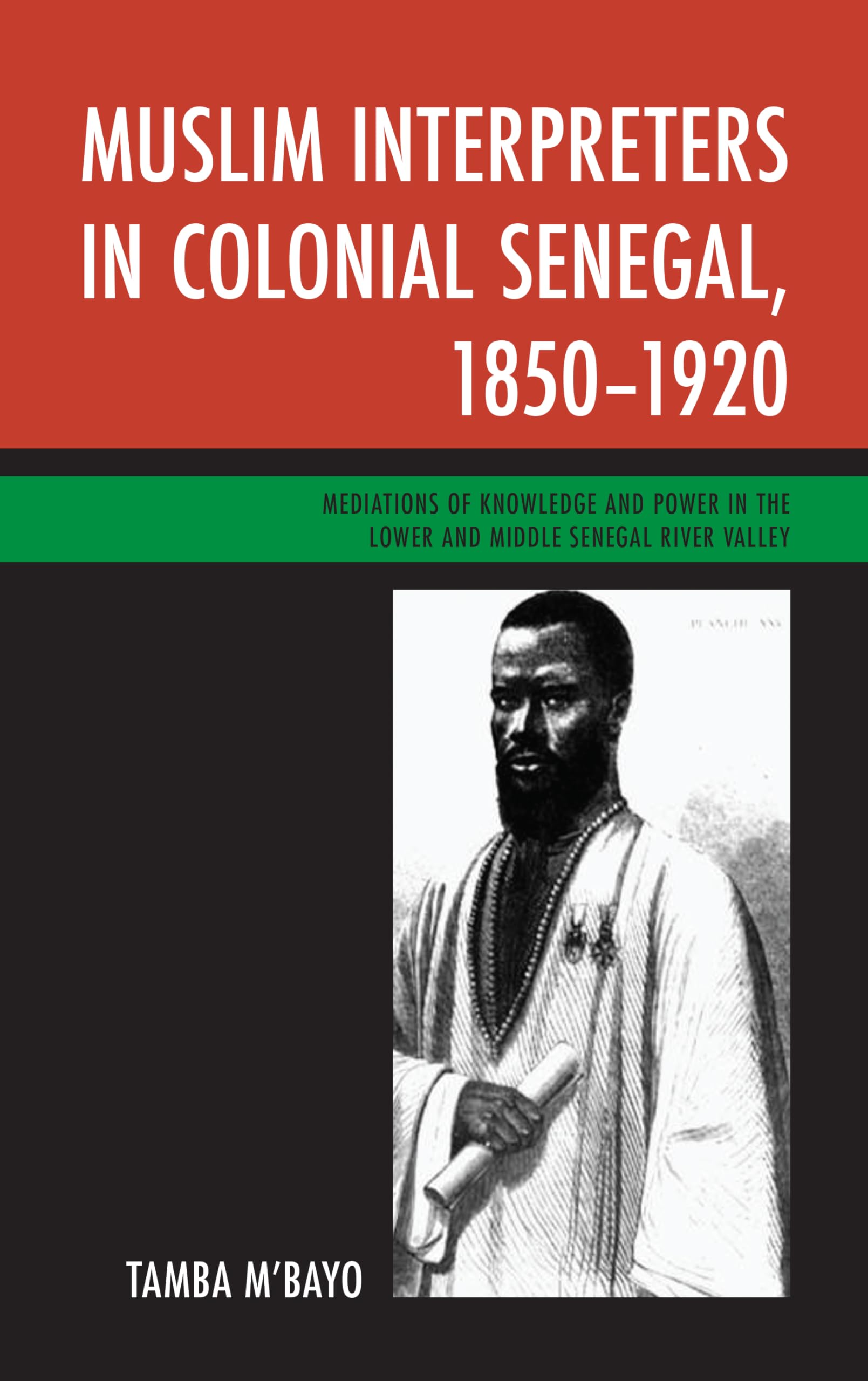
This book investigates the lives and careers of Muslim African interpreters employed by the French colonial administration in Saint Louis, Senegal, from the 1850s to the early 1920s. It focuses on the lower and middle Senegal River valley in northern Senegal, where the French concentrated most of their activities in West Africa during the nineteenth century. The Muslim interpreters performed multiple roles as mediators, military and expeditionary guides, emissaries, diplomatic hosts, and treaty negotiators. As cultural and political powerbrokers that straddled the colonial divide, they were indispensable for French officials in their relations with African rulers and the local population. As such, a central concern of this book is the paradoxical and often contradictory roles the interpreters played in mediating between the French and Africans. This book argues that the Muslim interpreters exemplified a paradox: while serving the French administration they pursued their own interests and defended those of their local communities. In doing so, the interpreters strove to maintain some degree of autonomy. Moreover, this book contends that the interpreters occupied a vantage position as mediators to influence the construction of colonial discourse and knowledge, because they channeled the flow of information between the French and the African population. Thus, Muslim interpreters had the capacity to shape power relations between the colonizers and the colonized in Senegal.
⚠️ WARNING (California Proposition 65):
This product may contain chemicals known to the State of California to cause cancer,
birth defects, or other reproductive harm.
For MAP (Minimum Advertised Price) violations and Intellectual Property (IP) or Trademark concerns, please contact:
support@ergodebooks.com
⚠️ California Proposition 65 Warning: Some products sold on this website may expose you to chemicals known to the State of California to cause cancer, birth defects, or other reproductive harm. For more information, visit www.P65Warnings.ca.gov.