
Title
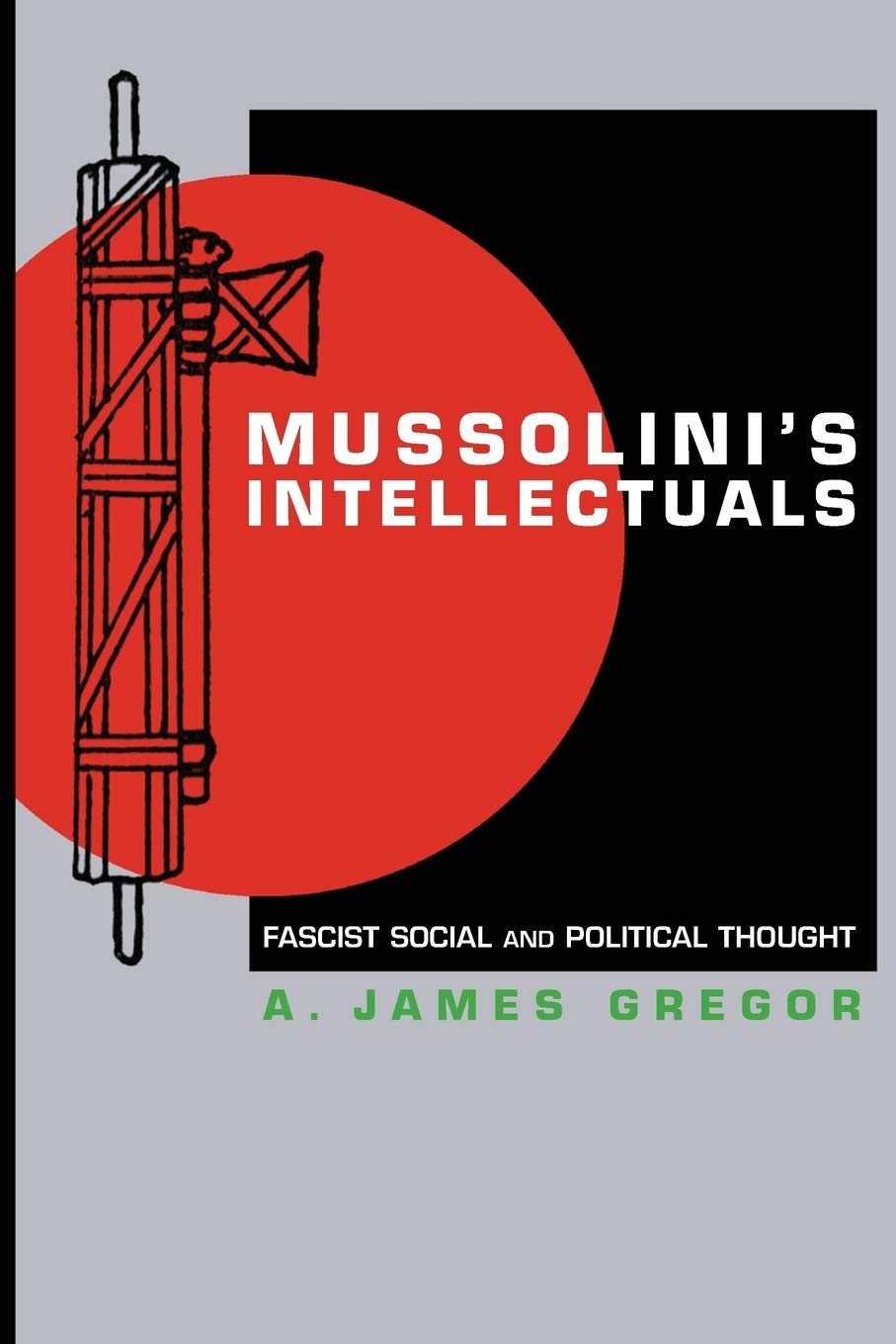
Mussolini's Intellectuals: Fascist Social and Political Thought,Used
Sold by Ergodebooks, an authorized reseller.
Returns accepted within 30 days | support@ergodebooks.com
Shipping Information
- Free Standard Shipping — United States only
- Processing Time: 3–5 business days
- Estimated Delivery: 6–10 business days after dispatch
- Double-boxed, fully insured & discreetly packaged
- Tracking number sent via email once dispatched
Returns & Refund
Returns accepted within 30 days of delivery.
Damaged or Defective Item
Free return shipping + replacement or full refund
Wrong Item Received
Free return shipping + replacement or full refund
Change of Mind
Return shipping at customer's expense · 25% restocking fee applies
Payment Option

Fascism has traditionally been characterized as irrational and antiintellectual, finding expression exclusively as a cluster of myths, emotions, instincts, and hatreds. This intellectual history of Italian Fascismthe product of four decades of work by one of the leading experts on the subject in the Englishspeaking worldprovides an alternative account. A. James Gregor argues that Italian Fascism may have been a flawed system of belief, but it was neither more nor less irrational than other revolutionary ideologies of the twentieth century. Gregor makes this case by presenting for the first time a chronological account of the major intellectual figures of Italian Fascism, tracing how the movement's ideas evolved in response to social and political developments inside and outside of Italy.Gregor follows Fascist thought from its beginnings in socialist ideology about the time of the First World Warwhen Mussolini himself was a leader of revolutionary socialismthrough its evolution into a separate body of thought and to its destruction in the Second World War. Along the way, Gregor offers extended accounts of some of Italian Fascism's major thinkers, including Sergio Panunzio and Ugo Spirito, Alfredo Rocco (Mussolini's Minister of Justice), and Julius Evola, a bizarre and sinister figure who has inspired much contemporary 'neofascism.'Gregor's account reveals the flaws and tensions that dogged Fascist thought from the beginning, but shows that if we want to come to grips with one of the most important political movements of the twentieth century, we nevertheless need to understand that Fascism had serious intellectual as well as visceral roots.
⚠️ WARNING (California Proposition 65):
This product may contain chemicals known to the State of California to cause cancer, birth defects, or other reproductive harm.
For more information, please visit www.P65Warnings.ca.gov.
- Q: What is the main focus of 'Mussolini's Intellectuals: Fascist Social and Political Thought'? A: The book provides an alternative intellectual history of Italian Fascism, exploring its ideological evolution and major thinkers, countering the notion that it was purely irrational.
- Q: Who is the author of this book? A: The author is A. James Gregor, a recognized expert on Italian Fascism, with decades of research on the subject.
- Q: What are the key themes explored in the book? A: Key themes include the evolution of Fascist thought, its origins in socialist ideology, and the intellectual contributions of significant figures within the movement.
- Q: Is this book suitable for academic study? A: Yes, the book is well-researched and provides a chronological account suitable for academic study and understanding of Fascist ideology.
- Q: How long is the book? A: The book contains 296 pages.
- Q: What is the condition of the book being sold? A: The book is listed as 'Used Book in Good Condition', indicating it may show signs of previous use but remains functional.
- Q: When was 'Mussolini's Intellectuals' published? A: The book was published on August 13, 2006.
- Q: What type of binding does the book have? A: The book is available in paperback binding.
- Q: Who are some of the major thinkers discussed in the book? A: Major thinkers include Sergio Panunzio, Ugo Spirito, Alfredo Rocco, and Julius Evola.
- Q: Does this book provide a balanced view of Fascism? A: Yes, Gregor acknowledges the flaws and tensions within Fascist thought while presenting a serious intellectual foundation for understanding the movement.