
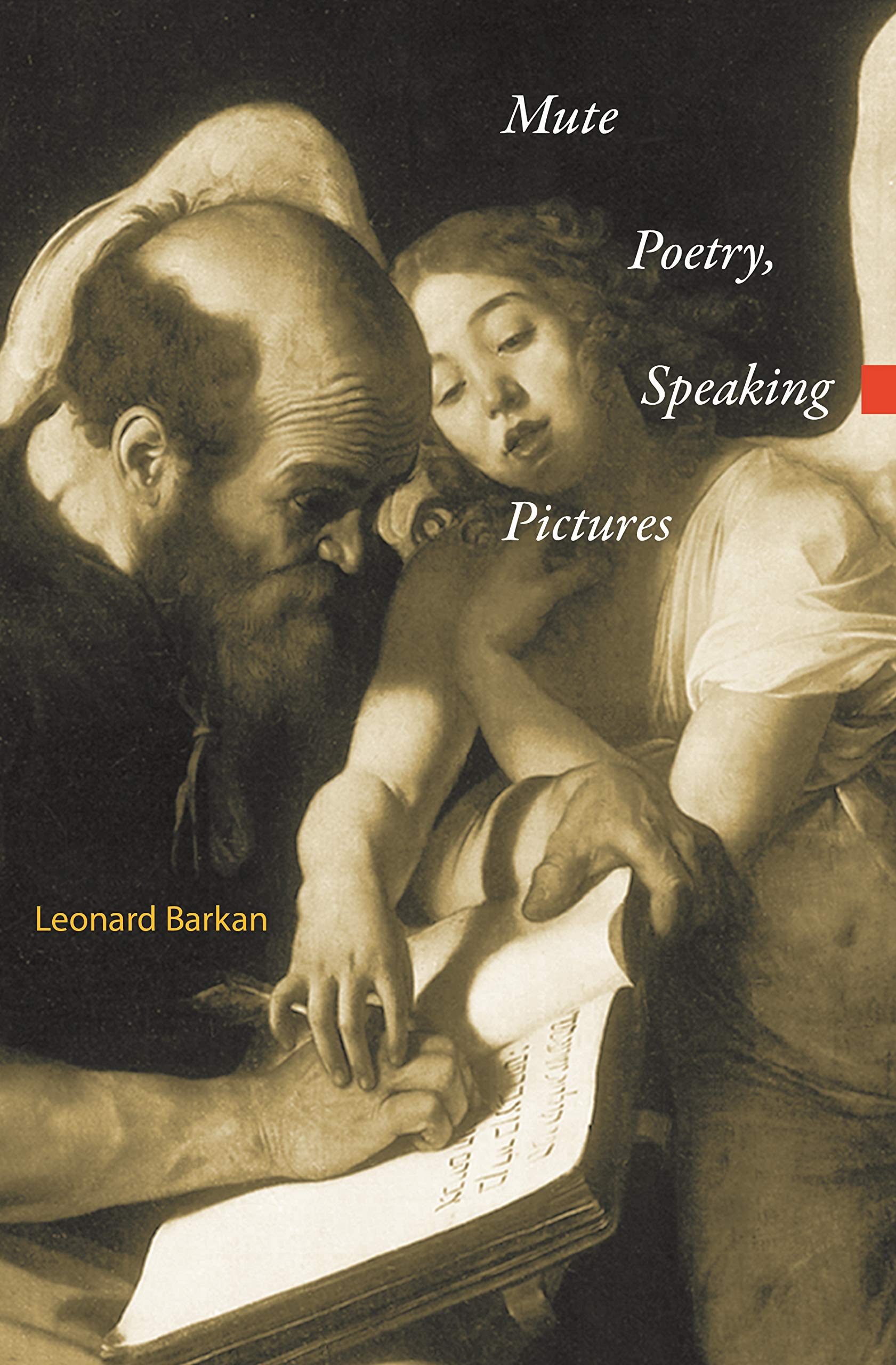
Title
Mute Poetry, Speaking Pictures (Essays In The Arts),Used
Sold by Ergodebooks, an authorized reseller.
Returns accepted within 30 days | support@ergodebooks.com
Shipping Information
- Free Standard Shipping — United States only
- Processing Time: 3–5 business days
- Estimated Delivery: 6–10 business days after dispatch
- Double-boxed, fully insured & discreetly packaged
- Tracking number sent via email once dispatched
Returns & Refund
Returns accepted within 30 days of delivery.
Damaged or Defective Item
Free return shipping + replacement or full refund
Wrong Item Received
Free return shipping + replacement or full refund
Change of Mind
Return shipping at customer's expense · 25% restocking fee applies
Payment Option

The skirmish between painting and poetryfrom Plato and Praxiteles to Rembrandt and ShakespeareWhy do painters sometimes wish they were poetsand why do poets sometimes wish they were painters? What happens when Rembrandt spells out Hebrew in the sky or Poussin spells out Latin on a tombstone? What happens when Virgil, Ovid, or Shakespeare suspend their plots to describe a fictitious painting? In Mute Poetry, Speaking Pictures, Leonard Barkan explores such questions as he examines the deliciously ambiguous history of the relationship between words and pictures, focusing on the period from antiquity to the Renaissance but offering insights that also have much to say about modern art and literature.The idea that a poem is like a picture has been a commonplace since at least ancient Greece, and writers and artists have frequently discussed poetry by discussing painting, and vice versa, but their efforts raise more questions than they answer. From Plutarch ('painting is mute poetry, poetry a speaking picture') to Horace ('as a picture, so a poem'), apparent clarity quickly leads to confusion about, for example, what qualities of pictures are being urged upon poets or how pictorial properties can be converted into poetical ones.The history of comparing and contrasting painting and poetry turns out to be partly a story of attempts to promote one medium at the expense of the other. At the same time, analogies between word and image have enabled writers and painters to think about and practice their craft. Ultimately, Barkan argues, this dialogue is an expression of desire: the painter longs for the rich signification of language while the poet yearns for the direct sensuousness of painting.
⚠️ WARNING (California Proposition 65):
This product may contain chemicals known to the State of California to cause cancer, birth defects, or other reproductive harm.
For more information, please visit www.P65Warnings.ca.gov.