
Title
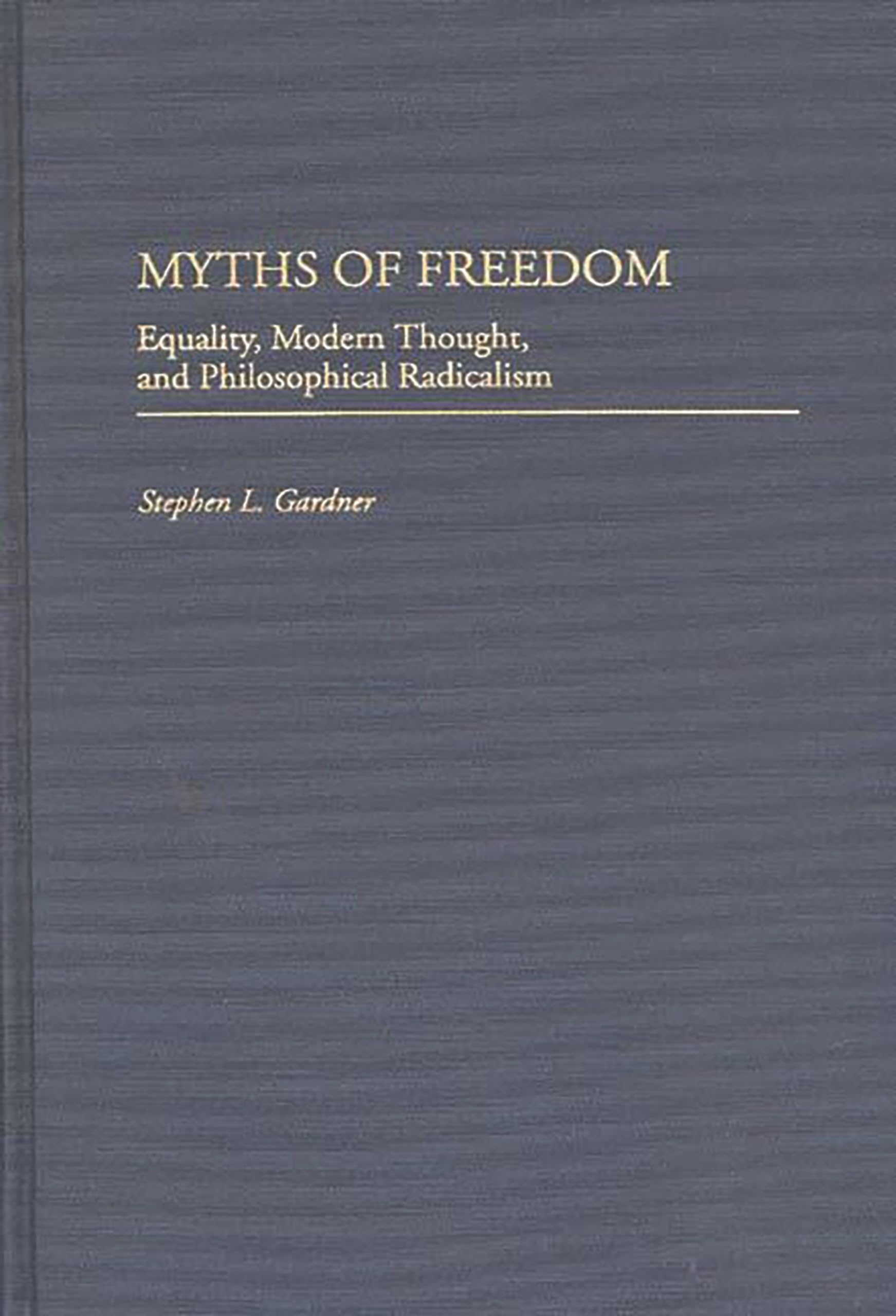
Myths Of Freedom: Equality, Modern Thought, And Philosophical Radicalism (Contributions In Philosophy)
Processing time: 1-3 days
US Orders Ships in: 3-5 days
International Orders Ships in: 8-12 days
Return Policy: 15-days return on defective items
Payment Option

The Status Of The Modern Age Has Long Been Debated, But Since Postmodernism, It Has Assumed Centrality As If It Were The Issue Of Philosophy. Gardner Brings A New Approach To The Problem Of Modernity, Based On Theories Of Ren Girard And Others. While Modernity Is Commonly Seen As An Ideological Project Or Interpretation Of Being, Gardner Sees It In Terms Of The Structure Of Human Relations And Their Impact On Philosophy. The Decisive Feature Of The Modern World Is What Tocqueville Called Equality Of Conditions, Which Has Wrought A Revolution In The Selfimage Of The Individual And In One'S Dealings With Others. But, In The Process, It Has Replaced Old Mythsdebunked By The Enlightenmentwith New Ones Of Its Own Invention. Hence Emerged The Myths Of Freedomof The Autonomy Of The Self Or The Spontaneity Of Passion, Or Later, Of Emancipation Or Authenticityfrom Descartes To Heidegger.Gardner Probes The Central Issue: To What Extent Have Philosophers Clarified These Myths, Or, Perhaps, Succumbed To Their Illusions. This Inquiry Attacks The Major Dogmas Of Contemporary Criticismsuch As The Primacy Of The Question Of Technology, Or Of The Quarrel Of Ancients And Moderns. It Restores The Philosophical Legitimacy Of Anthropology, Both In Opposition To Heidegger'S Ontology And To The Deconstructive Retreat Into An Idealism, And In Contrast To Classical Political Philosophy. This Provocative Analysis Will Be Of Interest To Philosophers, Political Theorists, And Others Dealing With The Problem Of Modernity.
⚠️ WARNING (California Proposition 65):
This product may contain chemicals known to the State of California to cause cancer, birth defects, or other reproductive harm.
For more information, please visit www.P65Warnings.ca.gov.
- Q: How many pages does the book have? A: The book has two hundred sixteen pages. This length provides a comprehensive exploration of modern thought and philosophical radicalism.
- Q: What are the dimensions of the book? A: The book measures six point fourteen inches in length, zero point fifty-one inches in width, and nine point twenty-one inches in height. These dimensions make it a standard-sized hardcover.
- Q: What type of binding does this book have? A: This book is bound in hardcover. Hardcover binding ensures durability, making it suitable for long-term reading and reference.
- Q: Who is the author of the book? A: The author is Stephen L. Gardner. He provides unique insights into modernity and philosophical thought.
- Q: What is the main theme of the book? A: The main theme revolves around the myths of freedom and equality in modern thought. Gardner critiques contemporary philosophical views on these concepts.
- Q: Is this book suitable for academic study? A: Yes, the book is highly suitable for academic study. It addresses complex philosophical issues and is relevant for students and scholars alike.
- Q: What is the target audience for this book? A: The target audience includes philosophers, political theorists, and those interested in modernity. It appeals to anyone exploring philosophical radicalism.
- Q: Does this book contain illustrations or images? A: No, the book does not contain illustrations or images. It focuses on text to convey its philosophical arguments.
- Q: How should I store this hardcover book? A: Store the book upright on a shelf. Ensure it is in a dry, cool place to maintain its condition and prevent damage.
- Q: Can I return the book if I don’t like it? A: Yes, most retailers allow returns if the book is in new condition. Check the specific return policy of the retailer where you purchased it.
- Q: What if the book arrives damaged? A: If the book arrives damaged, contact the retailer for a replacement or refund. Most companies have policies in place for such situations.
- Q: Is there a warranty for this book? A: No, books typically do not come with a warranty. However, retailers may offer satisfaction guarantees.
- Q: How do I care for the book to keep it in good condition? A: Keep the book away from direct sunlight and moisture. Handle it carefully to avoid spine damage and wear.
- Q: Is this book appropriate for beginners in philosophy? A: Yes, the book is accessible to beginners. It presents complex ideas in a way that is engaging for those new to philosophical discussions.
- Q: How does this book compare to other works on modern philosophy? A: This book provides a unique perspective by focusing on the myths of freedom and equality, setting it apart from more traditional philosophical texts.
- Q: What critical topics does the book address? A: The book addresses critical topics such as the nature of modernity, the role of technology, and the myths created by Enlightenment thinkers.