
Title
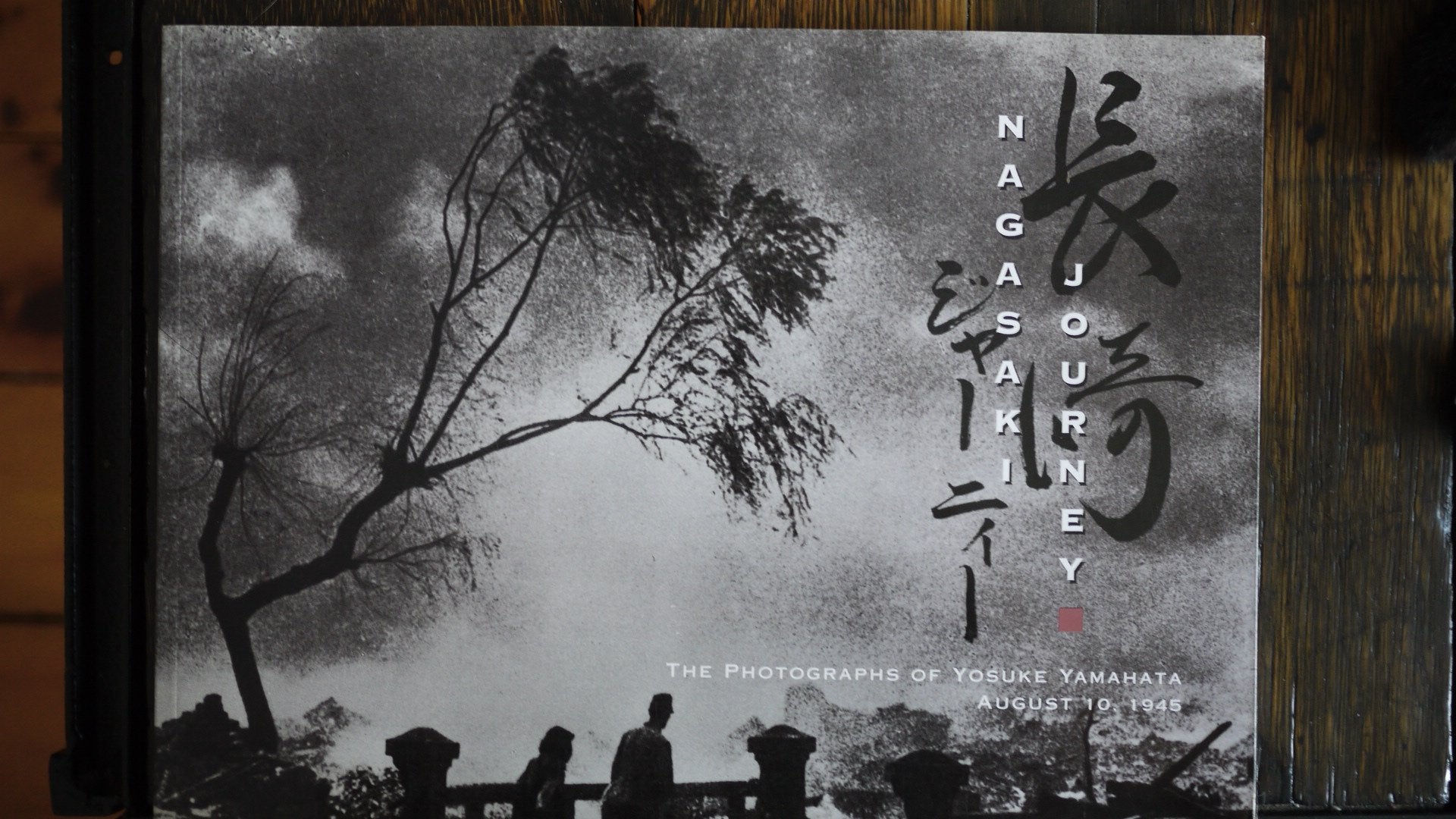
Nagasaki Journey: The Photographs Of Yosuke Yamahata August 10, 1945,Used
Sold by Ergodebooks, an authorized reseller.
Returns accepted within 30 days | support@ergodebooks.com
Shipping Information
- Free Standard Shipping — United States only
- Processing Time: 3–5 business days
- Estimated Delivery: 6–10 business days after dispatch
- Double-boxed, fully insured & discreetly packaged
- Tracking number sent via email once dispatched
Returns & Refund
Returns accepted within 30 days of delivery.
Damaged or Defective Item
Free return shipping + replacement or full refund
Wrong Item Received
Free return shipping + replacement or full refund
Change of Mind
Return shipping at customer's expense · 25% restocking fee applies
Payment Option

Only Twentyeight Years Old, Yosuke Yamahata Was One Of Three Men Sent By The Japanese Army To Document The Effects Of The Atomic Bomb Dropped On Nagasaki On August 9, 1945, Three Days After The Bombing Of Hiroshima. Mr. Yamahata, Along With His Companions, A Writer And A Painter, Arrived In Nagasaki Before Dawn On August 10. As The Sun Rose, He Began To Photograph. By Nightfall He Had Completed The Most Extensive Photographic Record Of The Immediate Aftermath Of The Atomic Bombings Of Either Hiroshima Or Nagasaki, More Than One Hundred Images Taken In The Course Of A Single Day. Nagasaki Journey Is An Essential Historic Record Of The Nuclear Age, Made More Compelling In Light Of Contemporary Nuclear Proliferation And The Potential For Nuclear Terrorism.
⚠️ WARNING (California Proposition 65):
This product may contain chemicals known to the State of California to cause cancer, birth defects, or other reproductive harm.
For more information, please visit www.P65Warnings.ca.gov.
- Q: How many pages does the book have? A: The book has one hundred twelve pages. It provides a comprehensive visual account of the immediate aftermath of the Nagasaki bombing.
- Q: What is the size of the book? A: The book measures twelve point twenty-five inches in length, nine point twenty-five inches in height, and zero point fifty-one inches in width. This size makes it easy to handle and read.
- Q: What type of binding does this book have? A: The book is paperback bound. This makes it lightweight and portable for readers.
- Q: Who is the author of this book? A: The author of the book is Yosuke Yamahata. He was a photographer commissioned to document the aftermath of the atomic bomb.
- Q: What category does this book fall under? A: The book is categorized under Individual Artists. It showcases the unique perspective of a historical event through photography.
- Q: How do I read this book? A: You can read this book by simply opening it and turning the pages. It provides a visual narrative, making it accessible to all readers.
- Q: Is this book suitable for all ages? A: Yes, this book is suitable for all ages. However, it contains graphic imagery from a historical event, so parental guidance is advised for younger readers.
- Q: What themes does the book cover? A: The book covers themes of historical documentation, war, and the consequences of nuclear weapons. It is a poignant reminder of a significant event in history.
- Q: How should I handle this book to keep it in good condition? A: To keep the book in good condition, store it in a dry place and handle it with clean hands. Avoid exposing it to direct sunlight.
- Q: Can I clean the book if it gets dirty? A: No, it is not recommended to clean the book with water or cleaning agents. Instead, use a soft, dry cloth to gently remove dust.
- Q: Is there a warranty for this book? A: No, there is no warranty for this book. However, if it arrives damaged, you should contact the seller for a possible return or exchange.
- Q: What if I receive a damaged copy of the book? A: If you receive a damaged copy, you should reach out to the seller immediately for assistance with returns or refunds.
- Q: How does this book compare to others on the same topic? A: This book stands out due to its extensive photographic documentation by Yosuke Yamahata, offering a unique perspective on the Nagasaki bombing compared to other historical texts.
- Q: Is this book a good choice for someone interested in photography? A: Yes, this book is an excellent choice for photography enthusiasts. It showcases powerful images that capture a pivotal moment in history.
- Q: What is the historical significance of this book? A: The book holds significant historical value as it documents the aftermath of the atomic bomb dropped on Nagasaki. It serves as a crucial record of the nuclear age.
- Q: Does this book include any additional resources or references? A: No, the book does not include additional resources or references. It focuses solely on the photographs and their historical context.