
Title
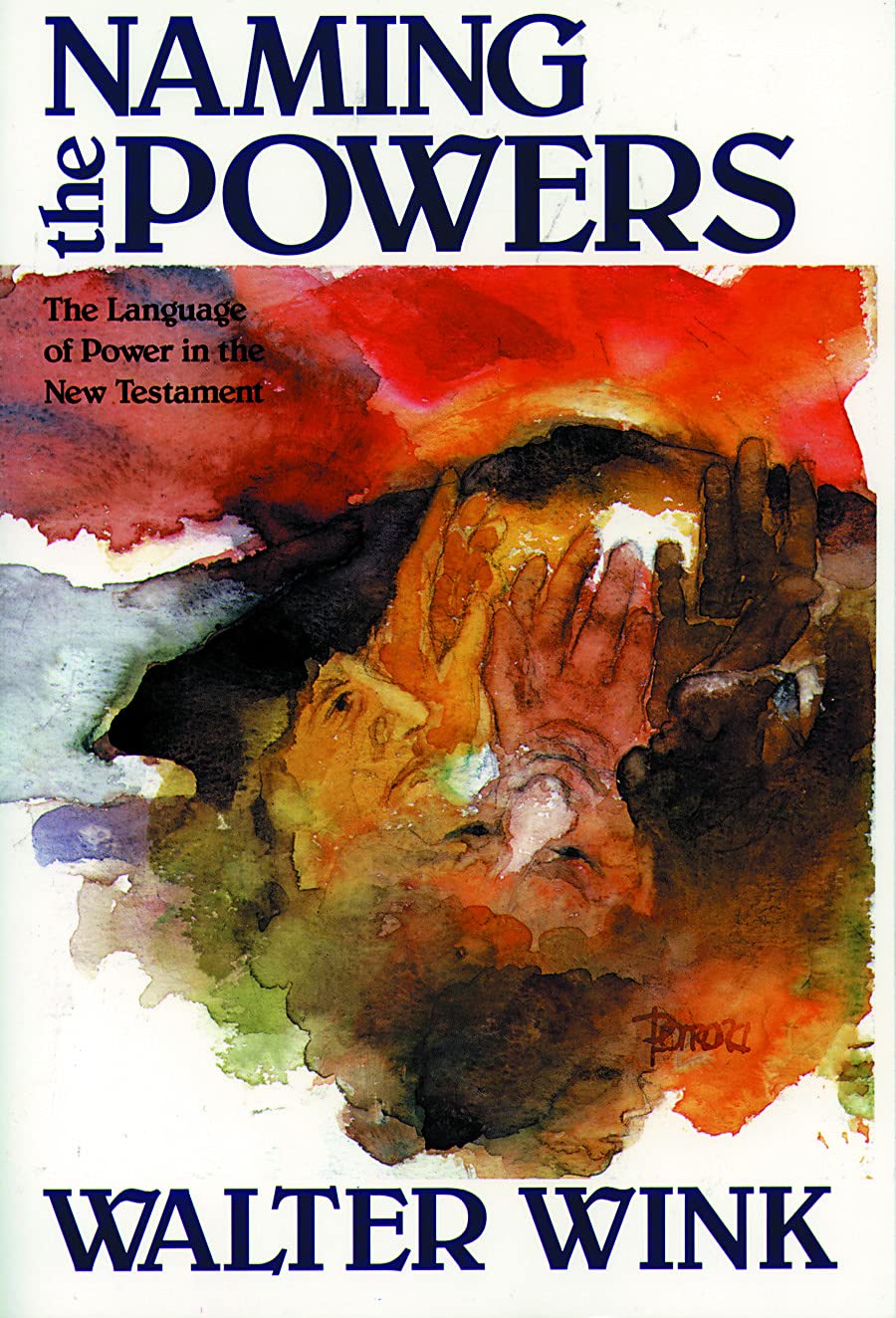
Naming the Powers: The Language of Power in the New Testament (The Powers : Volume One),Used
Sold by Ergodebooks, an authorized reseller.
Returns accepted within 30 days | support@ergodebooks.com
Shipping Information
- Free Standard Shipping — United States only
- Processing Time: 3–5 business days
- Estimated Delivery: 6–10 business days after dispatch
- Double-boxed, fully insured & discreetly packaged
- Tracking number sent via email once dispatched
Returns & Refund
Returns accepted within 30 days of delivery.
Damaged or Defective Item
Free return shipping + replacement or full refund
Wrong Item Received
Free return shipping + replacement or full refund
Change of Mind
Return shipping at customer's expense · 25% restocking fee applies
Payment Option

The reader of this work will search in vain for a definition of power. It is one of those words that everyone understands perfectly well until asked to define it. Our use of the term 'power' is laden with assumptions drawn from the contemporary materialistic worldview. Whereas the ancients always understood power as the confluence of both spiritual and material factors, we tend to see it as primarily material. We do not think in terms of spirits, ghosts, demons, or gods as the effective agents of powerful effects in the world. Thus a gulf has been fixed between us and the biblical writers. We use the same words but project them into a wholly different world of meanings. What they meant by power and what we mean are incommensurate. If our goal is to understand the New Testament's conception of the Powers, we cannot do so simply by applying our own modern sociological categories of power. We must instead attend carefully and try to grasp what the people of that time might have meant by power, within the linguistic field of their own worldview and mythic systems. 'I will argue that the 'principalities and powers' are the inner and outer aspects of any given manifestation of power. As the inner aspect they are the spirituality of institutions, the 'within' of corporate structures and systems, the inner essence of outer organizations of power. As the outer aspect they are political systems, appointed officials, the 'chair' of an organization, lawsin short, all the tangible manifestations which power takes. This hypothesis, it seems to me, makes sense of the fluid way the New Testament writers and their contemporaries spoke of the Powers, now as if they were these centurions or that priestly hierarchy, and then, with no warning, as if they were some kind of spiritual entities in the heavenly places.'from the Introduction
⚠️ WARNING (California Proposition 65):
This product may contain chemicals known to the State of California to cause cancer, birth defects, or other reproductive harm.
For more information, please visit www.P65Warnings.ca.gov.