
Title
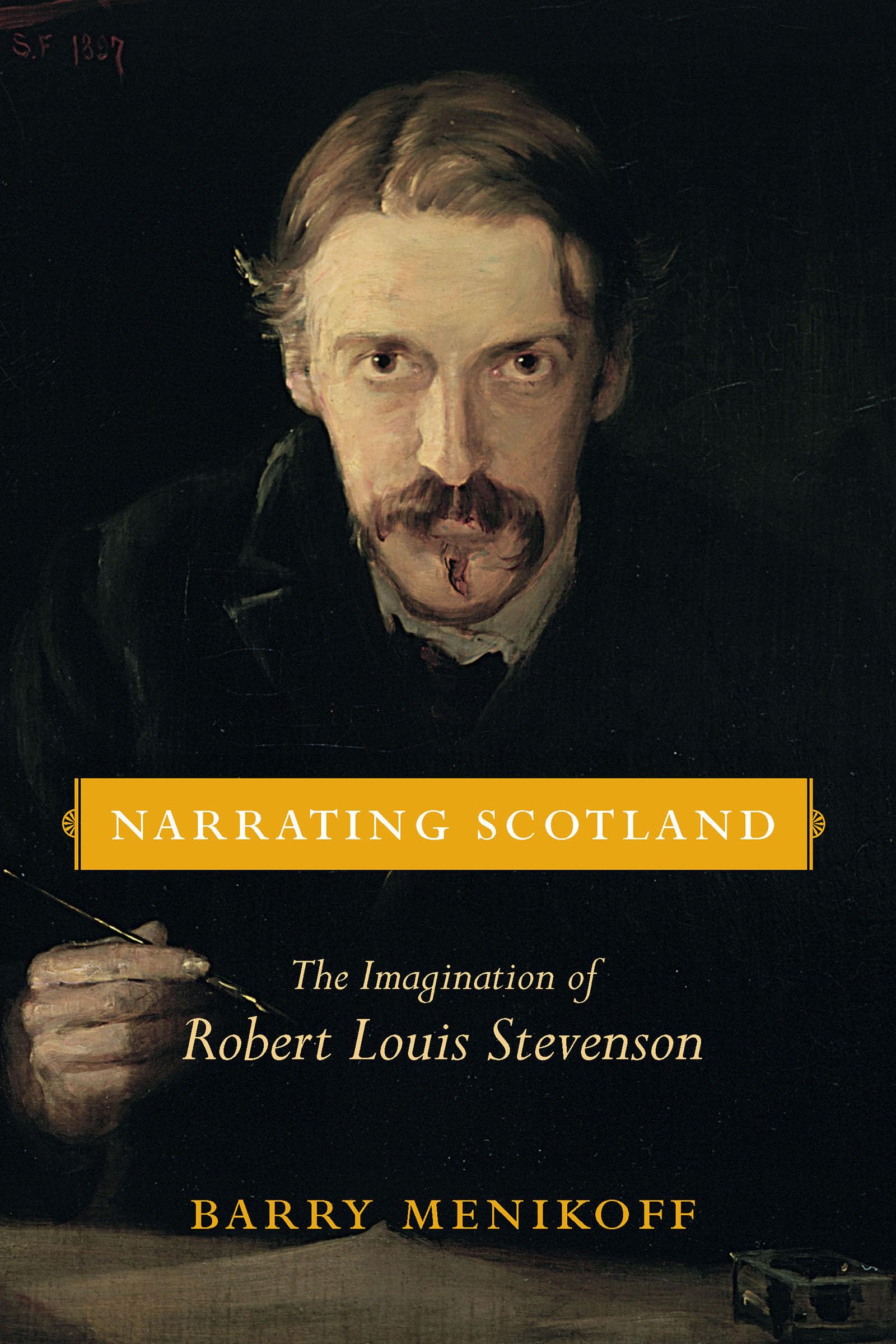
Narrating Scotland: The Imagination Of Robert Louis Stevenson,Used
Sold by Ergodebooks, an authorized reseller.
Returns accepted within 30 days | support@ergodebooks.com
Shipping Information
- Free Standard Shipping — United States only
- Processing Time: 3–5 business days
- Estimated Delivery: 6–10 business days after dispatch
- Double-boxed, fully insured & discreetly packaged
- Tracking number sent via email once dispatched
Returns & Refund
Returns accepted within 30 days of delivery.
Damaged or Defective Item
Free return shipping + replacement or full refund
Wrong Item Received
Free return shipping + replacement or full refund
Change of Mind
Return shipping at customer's expense · 25% restocking fee applies
Payment Option

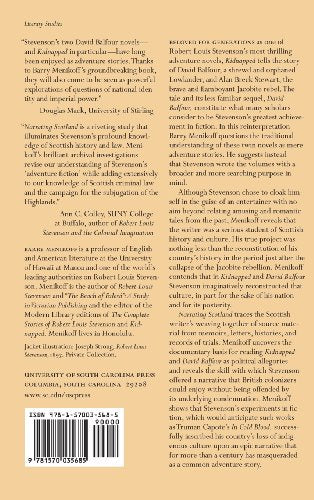
A reading of Stevenson as a historian at odds with traditionBeloved for generations as one of Robert Louis Stevenson's most thrilling adventure novels, Kidnapped tells the story of David Balfour, a shrewd and orphaned Lowlander, and Alan Breck Stewart, the brave and flamboyant Jacobite rebel. Together with its less familiar sequel, David Balfour, both novels constitute what many scholars consider to be Stevenson's greatest achievement in fiction. In this reinterpretation, Barry Menikoff questions the traditional understanding of these twin novels as mere adventure stories. He suggests instead that Stevenson wrote the volumes with a broader and more searching purpose in mind.Although Stevenson chose to cloak himself in the guise of an entertainer with no aim beyond relating amusing and romantic tales from the past, Menikoff reveals that the writer was a serious student of Scottish history and culture. His true project was nothing less than the reconstitution of his country's history in the period just after the collapse of the Jacobite rebellion. Menikoff contends that in Kidnapped and David Balfour Stevenson imaginatively reconstructed that culture, in part for the sake of his nation, and for its posterity.Narrating Scotland traces the Scottish writer's weaving together of source material from memoirs, letters, histories, and records of trials. Menikoff uncovers the documentary basis for reading Kidnapped and David Balfour as political allegories and reveals the skill with which Stevenson offered a narrative that British colonizers could enjoy without being offended by its underlying condemnation. Menikoff shows that Stevenson's experiments in fiction, which would anticipate such works as Truman Capote's In Cold Blood, successfully inscribed his country's loss of indigenous culture upon an epic narrative that for more than a century has masqueraded as a common adventure story.
⚠️ WARNING (California Proposition 65):
This product may contain chemicals known to the State of California to cause cancer, birth defects, or other reproductive harm.
For more information, please visit www.P65Warnings.ca.gov.
- Q: How many pages does the book have? A: The book has two hundred thirty-three pages. This length provides a comprehensive exploration of Robert Louis Stevenson's narrative techniques and historical insights.
- Q: What is the binding type of this book? A: This book is a hardcover edition. Hardcover bindings are known for their durability, making this book a long-lasting addition to your collection.
- Q: What are the dimensions of the book? A: The book measures six point four six inches in length, zero point eight seven inches in width, and nine point two two inches in height. These dimensions make it a convenient size for reading and display.
- Q: Who is the author of 'Narrating Scotland'? A: The author is Barry Menikoff. He examines the historical context and literary significance of Robert Louis Stevenson's works.
- Q: What genre does this book belong to? A: This book falls under the category of Movements & Periods in literature. It focuses on historical analysis through the lens of Stevenson's novels.
- Q: How should I read this book for maximum understanding? A: It is recommended to read this book with an interest in Scottish history and literary analysis. Engaging with the text while considering the historical context will enhance your understanding.
- Q: Is this book suitable for young readers? A: Yes, this book is suitable for young readers with an interest in literature and history. However, parental guidance is advised for younger audiences due to complex themes.
- Q: What themes are explored in this book? A: The book explores themes of Scottish history, cultural identity, and literary interpretation. Menikoff delves into how Stevenson’s narratives serve as political allegories.
- Q: Can this book be used for academic purposes? A: Yes, this book can be used for academic purposes. Its critical analysis and insights into literary techniques make it a valuable resource for students and scholars.
- Q: How do I care for this hardcover book? A: To care for this hardcover book, store it upright in a cool, dry place. Avoid exposing it to direct sunlight to prevent damage to the cover and pages.
- Q: What should I do if the book arrives damaged? A: If the book arrives damaged, contact the seller for a return or exchange. Most sellers have policies in place for damaged items.
- Q: Is there a warranty for this book? A: No, there is typically no warranty for books. However, you can check the seller’s return policy for any specific conditions.
- Q: How do I clean my hardcover book? A: To clean your hardcover book, gently dust the cover with a soft cloth. Avoid using water or cleaning solutions that may damage the material.
- Q: What makes this book different from other books about Stevenson? A: This book offers a unique perspective by analyzing Stevenson's works as political allegories, rather than just adventure stories. It provides a deeper understanding of his historical context.
- Q: Can I find this book in libraries? A: Yes, this book is likely available in academic and public libraries. Check your local library's catalog for availability.
- Q: Is the book in good condition if it's used? A: Yes, the book is described as a used book in good condition. This typically means it has been well-maintained and shows minimal signs of wear.