
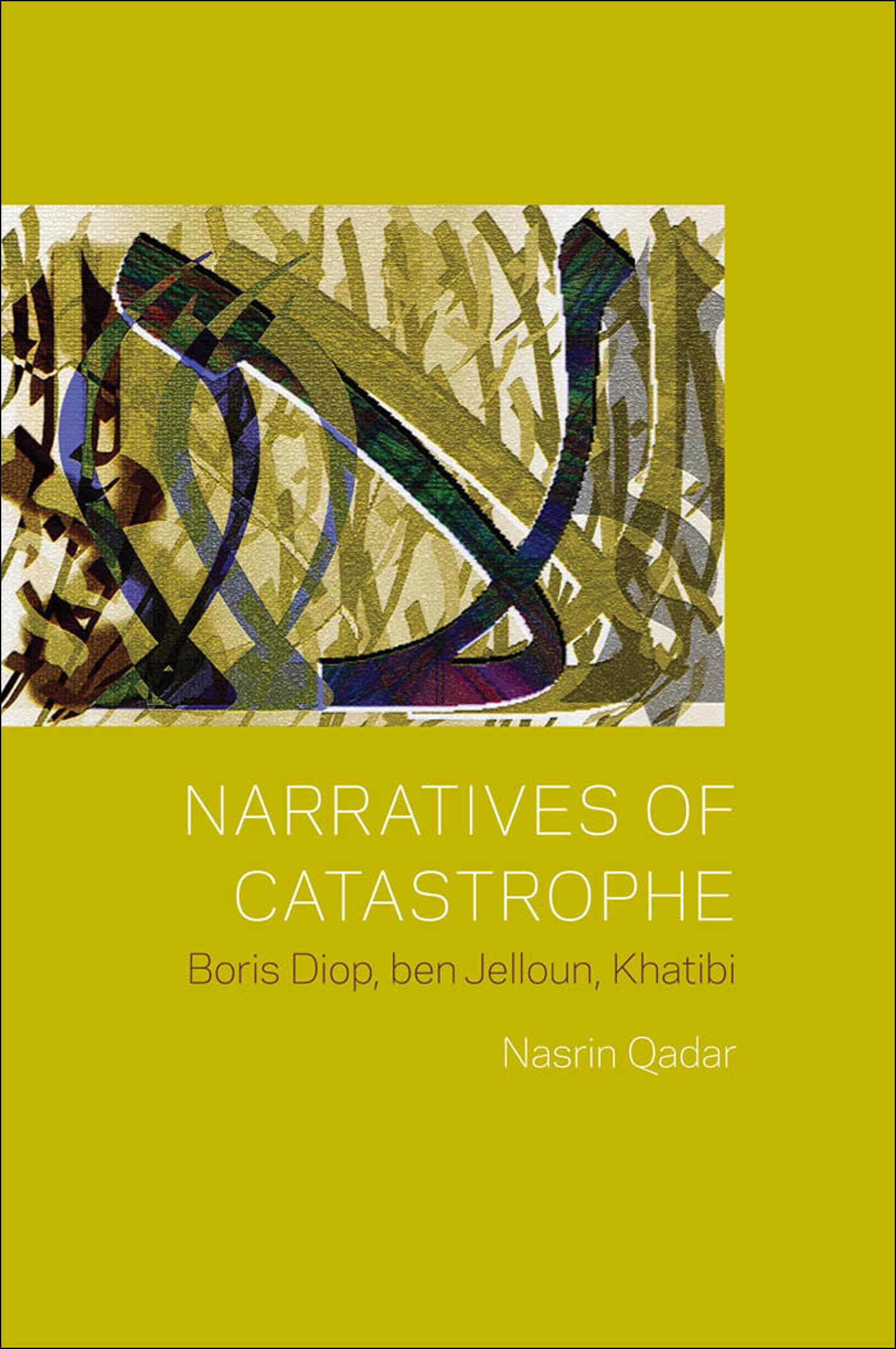
Title
Narratives of Catastrophe: Boris Diop, ben Jelloun, Khatibi,Used
Sold by Ergodebooks, an authorized reseller.
Returns accepted within 30 days | support@ergodebooks.com
Shipping Information
- Free Standard Shipping — United States only
- Processing Time: 3–5 business days
- Estimated Delivery: 6–10 business days after dispatch
- Double-boxed, fully insured & discreetly packaged
- Tracking number sent via email once dispatched
Returns & Refund
Returns accepted within 30 days of delivery.
Damaged or Defective Item
Free return shipping + replacement or full refund
Wrong Item Received
Free return shipping + replacement or full refund
Change of Mind
Return shipping at customer's expense · 25% restocking fee applies
Payment Option

Narratives of Catastrophe tells the story of the relationship between catastrophe, in the senses of "down turn" and "break," and narration as "recounting" in the senses suggested by the French term rcit in selected texts by three leading writers from Africa.Qader's book begins by exploring the political implications of narrating catastrophic historical events. Through careful readings of singular literary texts on the genocide in Rwanda and on Tazmamart, a secret prison in Morocco under the reign of Hassan II, Qader shows how historical catastrophes enter language and how this language is marked by the catastrophe it recounts. Not satisfied with the extraliterary characterizations of catastrophe in terms of numbers, laws, and naming, she investigates the catastrophic in catastrophe, arguing that catastrophe is always an effect of language andthought,. The rcit becomes a privileged site because the difficulties of thinking and speaking about catastrophe unfold through the very movements of storytelling.This book intervenes in important ways in the current scholarship in the field of African literatures. It shows the contributions of African literatures in elucidating theoretical problems for literary studies in general, such as storytelling's relationship to temporality, subjectivity, and thought. Moreover, it addresses the issue of storytelling, which is of central concern in the context of African literatures but still remains limited mostly to the distinction between the oral and the written. The notion of rcit breaks with this duality by foregrounding the inaugural temporality of telling and of writing as repetition.The final chapters examine catastrophic turns within the philosophical traditions of the West and in Islamic thought, highlighting their interconnections and differences.
⚠️ WARNING (California Proposition 65):
This product may contain chemicals known to the State of California to cause cancer, birth defects, or other reproductive harm.
For more information, please visit www.P65Warnings.ca.gov.