If you have any questions, you are always welcome to contact us. We'll get back to you as soon as possible, withing 24 hours on weekdays.
Customer service
All questions about your order, return and delivery must be sent to our customer service team by e-mail at yourstore@yourdomain.com
Sale & Press
If you are interested in selling our products, need more information about our brand or wish to make a collaboration, please contact us at press@yourdomain.com
Help
If you have any questions, you are always welcome to contact us. We'll get back to you as soon as possible, withing 24 hours on weekdays.
Customer service
All questions about your order, return and delivery must be sent to our customer service team by e-mail at yourstore@yourdomain.com
Sale & Press
If you are interested in selling our products, need more information about our brand or wish to make a collaboration, please contact us at press@yourdomain.com
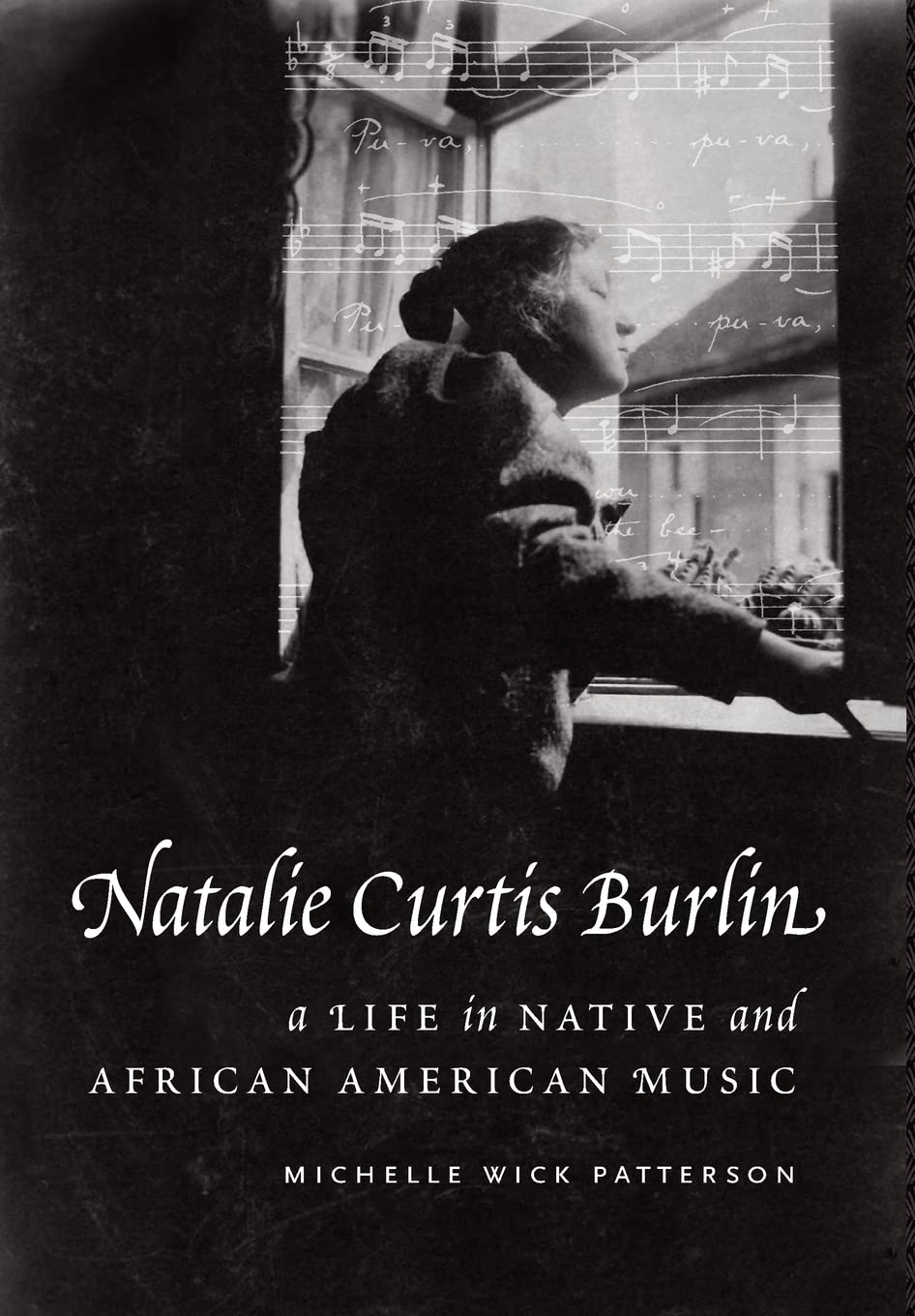
Natalie Curtis Burlin (18761921) was born to a wealthy New York City family and initially trained for a career as a classical concert pianist. But in 1903, she left her family and training behind to study, collect, and popularize the music of American Indians in the Southwest and African Americans at the Hampton Institute in the belief that the music of these groups could help forge a distinctive American identity in a time of dramatic social change.Michelle Wick Patterson examines the life, work, and legacy of Curtis at the turn of the century. The influence of increased industrialization, urbanization, immigration, and shaken social mores motivated Curtis to emphasize Native and African American contributions to the antimodernist discourse of this period. Additionally, Curtiss work in the field and her actions with informants reflect the impact of the changing status of women in public life, marriage, and the professions as well as new ideas regarding race and culture.Many of the people who touched Curtiss life were among the intellectual, political, and artistic leaders of their time, including Theodore Roosevelt, Charles Lummis, Franz Boas, George Foster Peabody, and others. This wellresearched and richly textured portrait of Curtis illuminates the life and contributions of an important early ethnomusicologist, meticulously portraying her within the social, intellectual, and political developments of the day.
⚠️ WARNING (California Proposition 65):
This product may contain chemicals known to the State of California to cause cancer,
birth defects, or other reproductive harm.
For MAP (Minimum Advertised Price) violations and Intellectual Property (IP) or Trademark concerns, please contact:
support@ergodebooks.com
⚠️ California Proposition 65 Warning: Some products sold on this website may expose you to chemicals known to the State of California to cause cancer, birth defects, or other reproductive harm. For more information, visit www.P65Warnings.ca.gov.