
Title
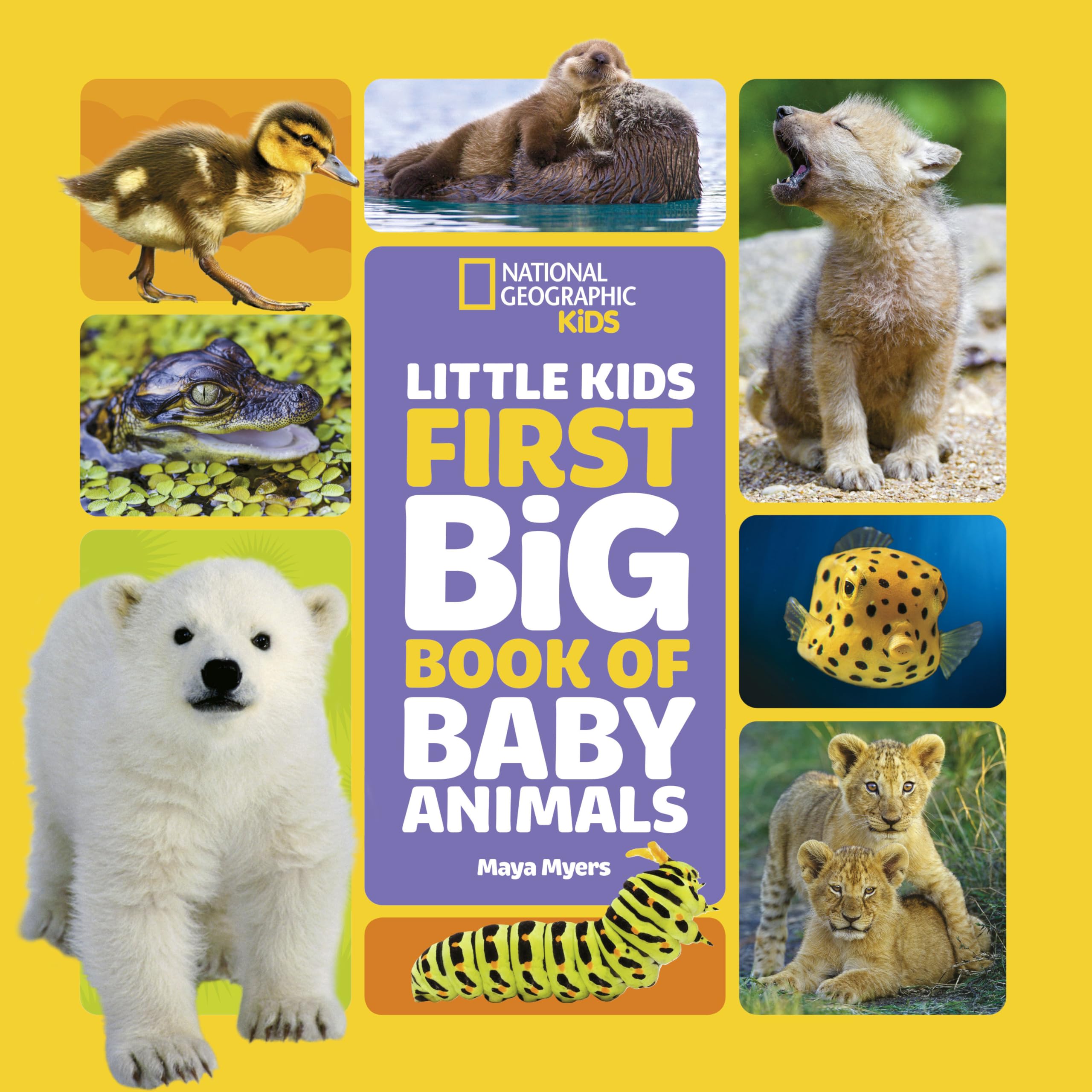
National Geographic Little Kids First Big Book Of Baby Animals (National Geographic Little Kids First Big Books)
Sold by Ergodebooks, an authorized reseller.
Returns accepted within 30 days | support@ergodebooks.com
Shipping Information
- Free Standard Shipping — United States only
- Processing Time: 3–5 business days
- Estimated Delivery: 6–10 business days after dispatch
- Double-boxed, fully insured & discreetly packaged
- Tracking number sent via email once dispatched
Returns & Refund
Returns accepted within 30 days of delivery.
Damaged or Defective Item
Free return shipping + replacement or full refund
Wrong Item Received
Free return shipping + replacement or full refund
Change of Mind
Return shipping at customer's expense · 25% restocking fee applies
Payment Option

This May Be The Cutest Little Kids First Big Book Ever! From Panda Cubs And Prairie Dogpups To Beluga Calves And Fuzzy Flamingo Chicks, This Book Is Packed With Fascinating Information About Adorable And Awwsome Baby Animals.Meet More Than 40 Animal Babies From Every Corner Of The Globe, From Ocean Depths Tomountaintops, Grassy Plains To Polar Lands.Features Include:A Map That Shows Where These Animals Are Found In The Wild Questions In Each Chapter That Encourage Interactive Learning Simple Text For Reading Aloud Or For Beginning Readers Engaging Photography Of Real Animals In Their Habitats Parent Tips That Extend The Experience Beyond The Book Find Out How These Wee Wild Ones Are Born, Where They Live, What Their Families Are Like, How They Get Their Food, And How They Learn To Do Things On Their Ownall The Things That Are Important To Young Humans, Too!Complete Your Collection With These Popular Titles From The Bestselling National Geographiclittle Kids First Big Book Series:Little Kids First Big Book Of Animals Little Kids First Big Book Of The Ocean Little Kids First Big Book Of Reptiles And Amphibians Little Kids First Big Book Of Birds Little Kids First Big Book Of Bugs Little Kids First Big Book Of The Rain Forest Little Kids First Big Book Of Pets
⚠️ WARNING (California Proposition 65):
This product may contain chemicals known to the State of California to cause cancer, birth defects, or other reproductive harm.
For more information, please visit www.P65Warnings.ca.gov.
- Q: What age group is the National Geographic Little Kids First Big Book of Baby Animals suitable for? A: This book is designed for young readers, typically aged 4 to 8 years old, making it ideal for preschoolers and early elementary school children.
- Q: How many pages does this book contain? A: The book has a total of 128 pages filled with engaging content about baby animals.
- Q: What kind of animals are featured in this book? A: The book features over 40 baby animals from various habitats around the world, including pandas, prairie dogs, belugas, and flamingos.
- Q: Is the text in the book suitable for beginning readers? A: Yes, the text is simple and designed for reading aloud or for children who are beginning to read on their own.
- Q: What educational features does the book include? A: The book includes a map showing where each animal is found, interactive questions in each chapter, and parent tips to enhance the reading experience.
- Q: What type of binding does this book have? A: The National Geographic Little Kids First Big Book of Baby Animals is bound in hardcover, ensuring durability for young readers.
- Q: When was this book published? A: The book was published on March 22, 2022.
- Q: Does the book include photographs of real animals? A: Yes, the book features engaging photography that showcases real baby animals in their natural habitats.
- Q: Are there other titles in the National Geographic Little Kids First Big Book series? A: Yes, there are several other titles in the series, including books about animals, the ocean, reptiles, birds, bugs, and pets.
- Q: What can children learn from this book? A: Children can learn about how baby animals are born, their habitats, family structures, food sources, and their developmental processes, which relate to young human experiences as well.