
Title
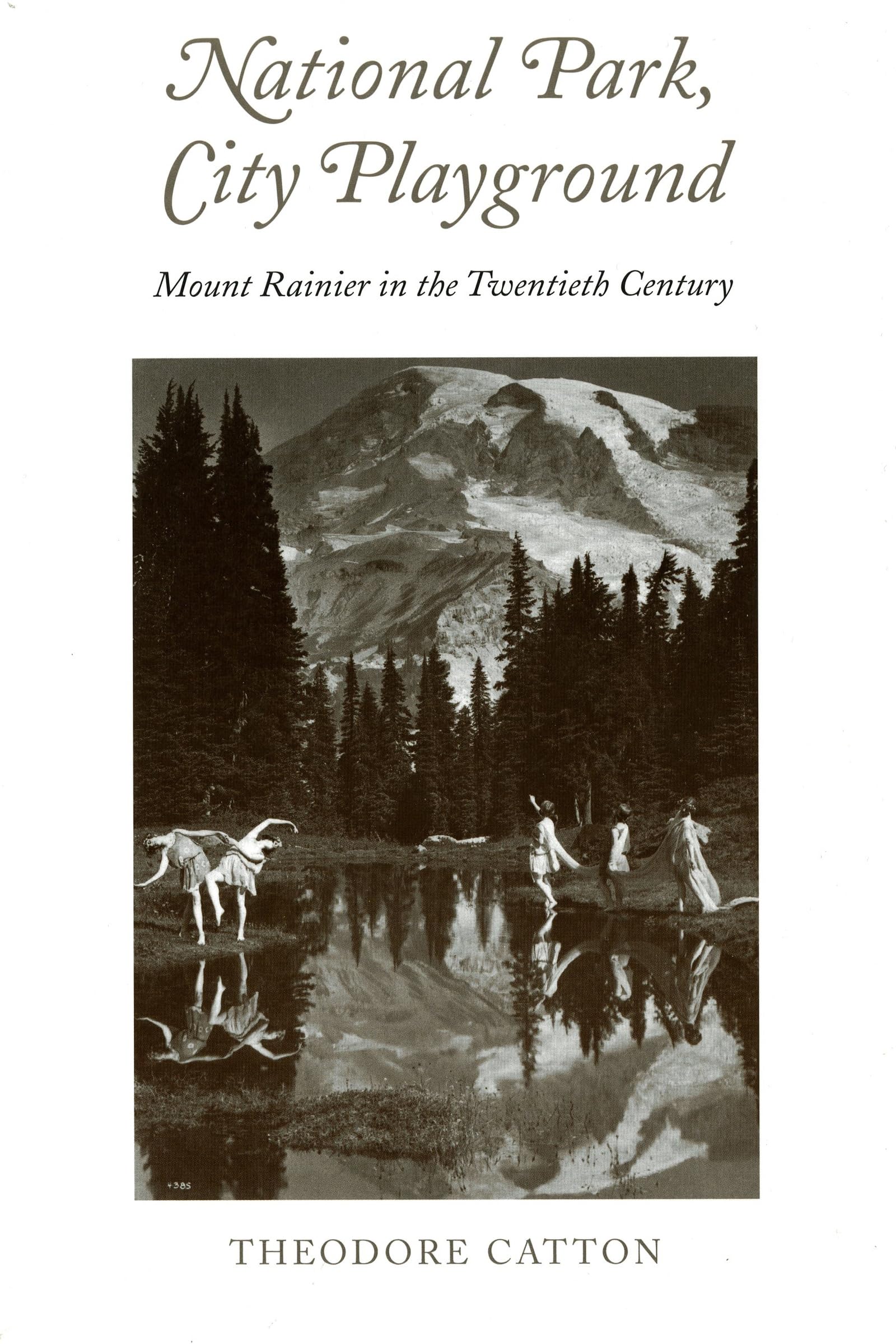
National Park, City Playground: Mount Rainier in the Twentieth Century (Samuel and Althea Stroum Books xx),New
Sold by Ergodebooks, an authorized reseller.
Returns accepted within 30 days | support@ergodebooks.com
Shipping Information
- Free Standard Shipping — United States only
- Processing Time: 3–5 business days
- Estimated Delivery: 6–10 business days after dispatch
- Double-boxed, fully insured & discreetly packaged
- Tracking number sent via email once dispatched
Returns & Refund
Returns accepted within 30 days of delivery.
Damaged or Defective Item
Free return shipping + replacement or full refund
Wrong Item Received
Free return shipping + replacement or full refund
Change of Mind
Return shipping at customer's expense · 25% restocking fee applies
Payment Option

The majestic beauty of Mount Rainier, which dominates the Seattle and Tacoma skyscapes, has in many ways defined the Pacific Northwest. At the same time, those two major cities have strongly influenced the development of Rainier as a national park. From the late 1890s, when the Pacific Forest Reserve became Mount Rainier National Park, the evolving relationship between the mountain and its surrounding residents has told a history of the region itself. That story also describes the changing nature of our national park system.From the late nineteenth century to the present, park service representatives and other officials have created policies, built roads and hotels, and regulated public use of and access to Mount Rainier. Conflicting interests have shaped the decisionmaking process and characterized human interaction with the park. The Rainier National Park Company promoted Paradise Inn as a destination resort for East Coast tourists; Cooperative Campers of the Pacific Northwest developed backcountry camps for workingclass recreationists; Asahel Curtis of the Good Roads Association wanted a road encircling the mountain; The Mountaineers promoted free public campgrounds and a roadless preserve; others focused on managing and protecting the upper mountain. The National Park Service mediated among the various parties while developing their own master plan for the park.In an engaging and accessible style, historian Theodore Catton tells the story of Mount Rainier, examining the controversies and compromises that have shaped one of America's most beautiful and beloved parks. National Park, City Playground reminds us that the way we manage our wilderness areas is a vital concern not only for the National Park Service, but for all citizens.
⚠️ WARNING (California Proposition 65):
This product may contain chemicals known to the State of California to cause cancer, birth defects, or other reproductive harm.
For more information, please visit www.P65Warnings.ca.gov.