
Title
National Rhythms, African Roots: The Deep History Of Latin American Popular Dance (Dilogos Series)
Sold by Ergodebooks, an authorized reseller.
Returns accepted within 30 days | support@ergodebooks.com
Shipping Information
- Free Standard Shipping — United States only
- Processing Time: 3–5 business days
- Estimated Delivery: 6–10 business days after dispatch
- Double-boxed, fully insured & discreetly packaged
- Tracking number sent via email once dispatched
Returns & Refund
Returns accepted within 30 days of delivery.
Damaged or Defective Item
Free return shipping + replacement or full refund
Wrong Item Received
Free return shipping + replacement or full refund
Change of Mind
Return shipping at customer's expense · 25% restocking fee applies
Payment Option

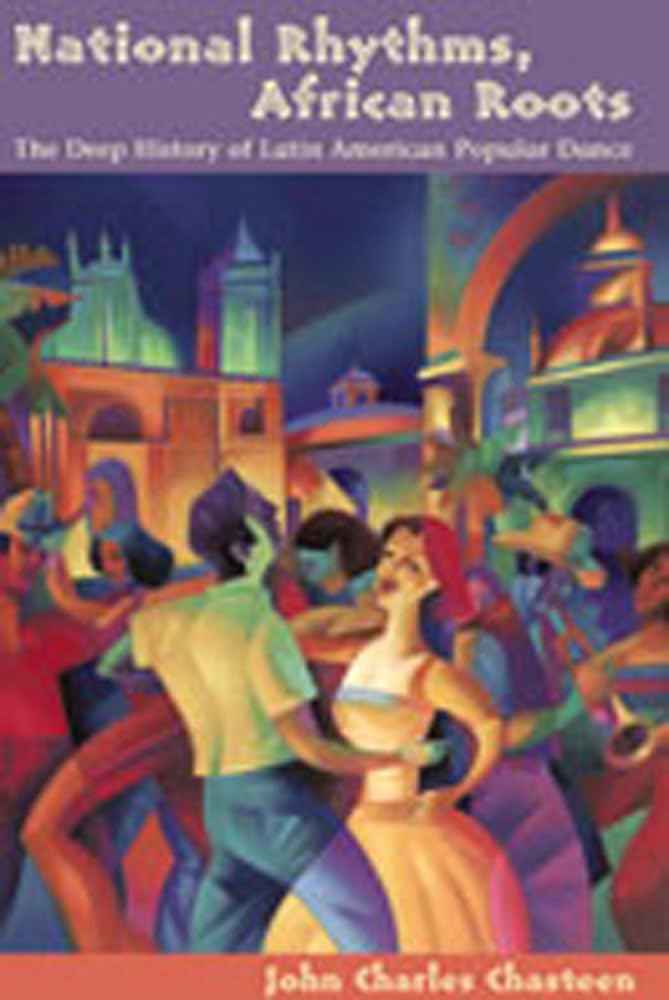
When John Charles Chasteen Learned That Sim?N Bolvar, The Liberator, Danced On A Banquet Table To Celebrate Latin American Independence In 1824, He Tried To Visualize The Scene. How, He Wondered, Did The Liberator Dance? Did He Bounce Stiffly In His Dress Uniform? Or Did He Move His Hips? In Other Words, How High Had African Dance Influences Reached In Latin American Societies? A Vast Social Gap Separated Bolvar From People Of African Descent; However, Chasteen'S Research Shows That Popular Culture Could Bridge The Gap.Fastpaced And Often Funny, This Book Explores The History Of Latin American Popular Dance Before The Twentieth Century. Chasteen First Focuses On Havana, Buenos Aires, And Rio De Janeiro, Where Dances Featuring A Transgressive Close Embrace (Forerunners Of Today'S Salsa, Tango, And Samba) Emerged By 1900. Then, Digging Deeper In Time, Chasteen Uncovers The Historical Experiences That Molded Latin American Popular Dance, Including Carnival Celebrations, The Social Lives Of Slaves, European Fashions, And, Oddly Enough, Religious Processions. The Relationship Between Latin American Dance And Nationalism, It Turns Out, Is Very Deep, Indeed.
⚠️ WARNING (California Proposition 65):
This product may contain chemicals known to the State of California to cause cancer, birth defects, or other reproductive harm.
For more information, please visit www.P65Warnings.ca.gov.
- Q: What is the size and binding of this book? A: The book measures six point twenty-five inches in length, zero point seventy-nine inches in width, and nine point twenty-five inches in height. It is available in a paperback binding.
- Q: How many pages does this book have? A: This book contains two hundred sixty-nine pages. It offers a comprehensive exploration of Latin American popular dance history.
- Q: Who is the author of this book? A: The author of this book is John Charles Chasteen. He provides insights into the cultural history of Latin American dance.
- Q: Is this book suitable for all ages? A: Yes, this book is suitable for a wide range of age groups. However, it is best for readers interested in historical and cultural topics.
- Q: What type of book is 'National Rhythms, African Roots'? A: This book belongs to the Folk and Regional genre. It explores the cultural significance of dance in Latin America.
- Q: How can I benefit from reading this book? A: Readers can gain a deeper understanding of Latin American culture and the influences of African dance. It is engaging and informative.
- Q: What condition is this used book in? A: This is a used book in good condition. It may show minor signs of wear but remains readable and intact.
- Q: How do I store this book to keep it in good condition? A: Store this book in a cool, dry place away from direct sunlight. Keep it upright or flat to maintain its shape.
- Q: Can I return this book if I'm not satisfied? A: Yes, most sellers offer return policies for unsatisfactory items. Check the specific return policy of your seller for details.
- Q: What if the book arrives damaged? A: If the book arrives damaged, contact the seller immediately for a replacement or refund. Most sellers have policies for such issues.
- Q: Is this book part of a series? A: Yes, this book is part of the Diálogos Series. This series includes various works focused on cultural and historical themes.
- Q: What themes are explored in this book? A: The book explores themes of cultural identity, nationalism, and the influence of African traditions in Latin American dance.
- Q: Does this book include illustrations? A: Yes, the book may contain illustrations that enhance the reader's understanding of the dance forms discussed.
- Q: What topics does the author cover regarding Latin American dance? A: The author covers the historical experiences that shaped Latin American popular dance, including carnival celebrations and social dynamics.
- Q: Is this book well-researched? A: Yes, John Charles Chasteen's research is thorough and provides valuable insights into the history of Latin American dance.
- Q: Are there any specific dances mentioned in the book? A: Yes, the book discusses dances such as salsa, tango, and samba, focusing on their historical roots and cultural significance.