
Title
Nationalism in the New World,Used
Sold by Ergodebooks, an authorized reseller.
Returns accepted within 30 days | support@ergodebooks.com
Shipping Information
- Free Standard Shipping — United States only
- Processing Time: 3–5 business days
- Estimated Delivery: 6–10 business days after dispatch
- Double-boxed, fully insured & discreetly packaged
- Tracking number sent via email once dispatched
Returns & Refund
Returns accepted within 30 days of delivery.
Damaged or Defective Item
Free return shipping + replacement or full refund
Wrong Item Received
Free return shipping + replacement or full refund
Change of Mind
Return shipping at customer's expense · 25% restocking fee applies
Payment Option

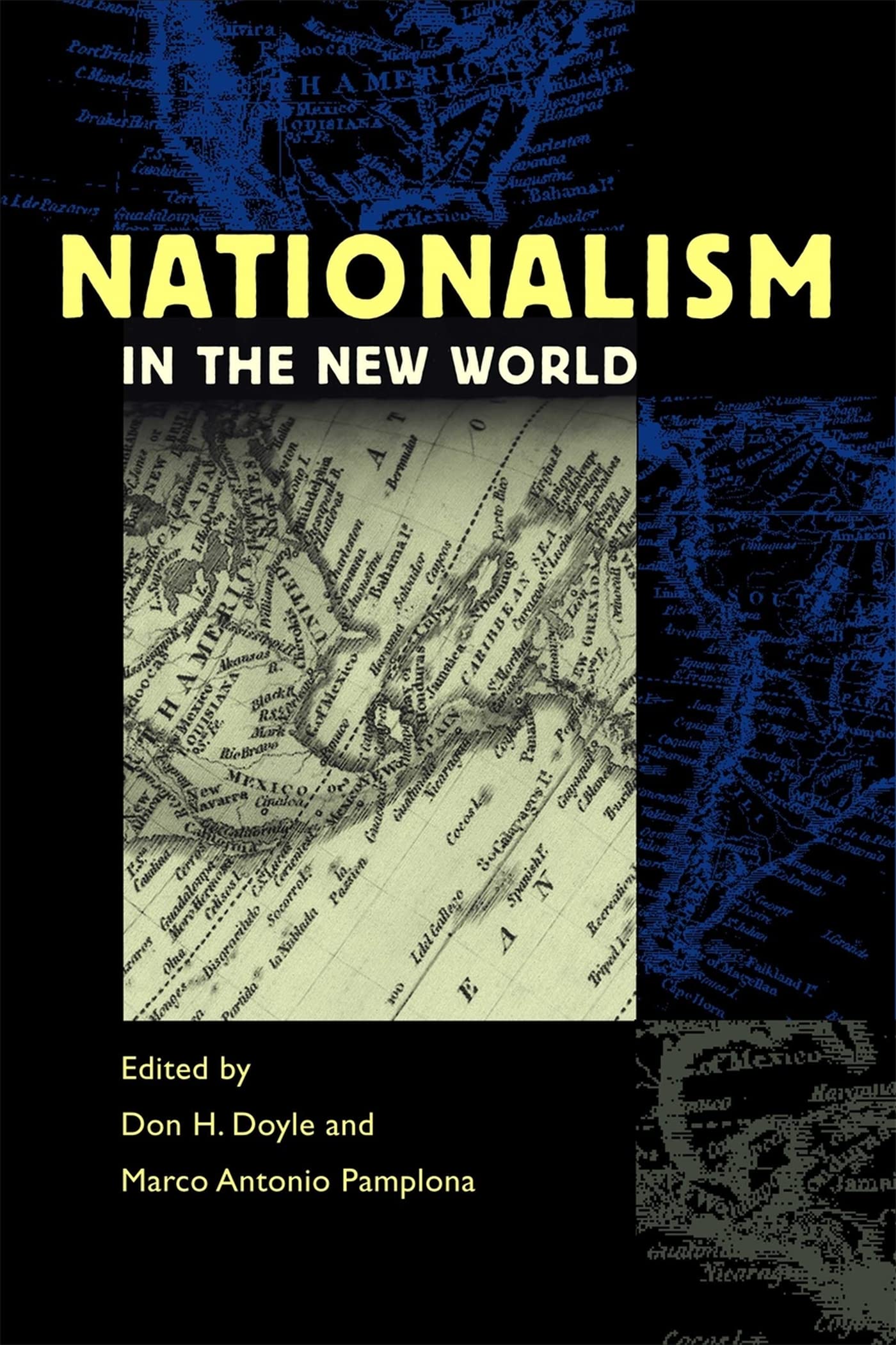
Nationalism in the New World brings together work by scholars from the United States, Canada, Latin America, and Europe to discuss the common problem of how the nations of the Americas grappled with the basic questions of nationalism: Who are we? How do we imagine ourselves as a nation? Debates over the origins and meanings of nationalism have emerged at the forefront of the humanities and social sciences over the past two decades. However, these discussions have been mostly about nations in Europe, the Middle East, Asia, or Africa. In addition, their focus is usually on the violence spawned by ethnic and religious strains of nationalism, which have been largely absent in the Americas.The contributors to this volume 'Americanize' the conversation on nationalism. They ask how the countries of the Americas fit into the larger world of nations and in what ways they present distinctive forms of nationhood. Such questions are particularly important because, as the editors write, 'the American nations that came into being in the wake of revolutions that shook the Atlantic world beginning in 1776 provided models of what the modern world might become.'American nations were among the first nationstates to emerge on the world stage. As former colonies with multiethnic populations, American nations could not logically rest their claim to nationhood on ancient bonds of blood and history. Out of a world of empires and colonies the independent states of the Americas forged new nations based on a varied mix of modern civic ideals instead of primordial myths, on ethnic and religious diversity instead of common descent, and on future hopes rather than ancient roots.
⚠️ WARNING (California Proposition 65):
This product may contain chemicals known to the State of California to cause cancer, birth defects, or other reproductive harm.
For more information, please visit www.P65Warnings.ca.gov.