If you have any questions, you are always welcome to contact us. We'll get back to you as soon as possible, withing 24 hours on weekdays.
Customer service
All questions about your order, return and delivery must be sent to our customer service team by e-mail at yourstore@yourdomain.com
Sale & Press
If you are interested in selling our products, need more information about our brand or wish to make a collaboration, please contact us at press@yourdomain.com
Help
If you have any questions, you are always welcome to contact us. We'll get back to you as soon as possible, withing 24 hours on weekdays.
Customer service
All questions about your order, return and delivery must be sent to our customer service team by e-mail at yourstore@yourdomain.com
Sale & Press
If you are interested in selling our products, need more information about our brand or wish to make a collaboration, please contact us at press@yourdomain.com
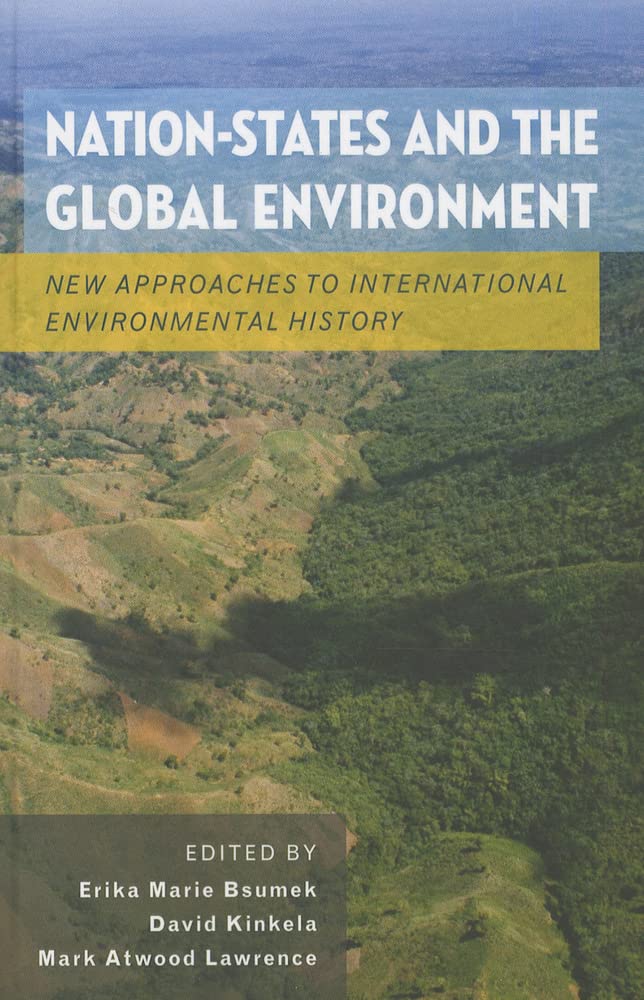
Hardly a day passes without journalists, policymakers, academics, or scientists calling attention to the worldwide scale of the environmental crisis confronting humankind. While climate change has generated the greatest alarm in recent years, other global problemsdesertification, toxic pollution, species extinctions, drought, and deforestation, to name just a fewloom close behind. The scope of the most pressing environmental problems far exceeds the capacity of individual nationstates, much less smaller political entities. To compound these problems, economic globalization, the growth of nongovernmental activist groups, and the accelerating flow of information have fundamentally transformed the geopolitical landscape. Despite the new urgency of these challenges, however, they are not without historical precedent. As this book shows, nationstates have long sought agreements to manage migratory wildlife, just as they have negotiated conventions governing the exploitation of rivers and other bodies of water. Similarly, nationstates have long attempted to control resources beyond their borders, to impose their standards of proper environmental exploitation on others, and to draw on expertise developed elsewhere to cope with environmental problems at home. This collection examines this littleunderstood history, providing case studies and context to inform ongoing debates.
⚠️ WARNING (California Proposition 65):
This product may contain chemicals known to the State of California to cause cancer,
birth defects, or other reproductive harm.
For MAP (Minimum Advertised Price) violations and Intellectual Property (IP) or Trademark concerns, please contact:
support@ergodebooks.com
⚠️ California Proposition 65 Warning: Some products sold on this website may expose you to chemicals known to the State of California to cause cancer, birth defects, or other reproductive harm. For more information, visit www.P65Warnings.ca.gov.