If you have any questions, you are always welcome to contact us. We'll get back to you as soon as possible, withing 24 hours on weekdays.
Customer service
All questions about your order, return and delivery must be sent to our customer service team by e-mail at yourstore@yourdomain.com
Sale & Press
If you are interested in selling our products, need more information about our brand or wish to make a collaboration, please contact us at press@yourdomain.com
Help
If you have any questions, you are always welcome to contact us. We'll get back to you as soon as possible, withing 24 hours on weekdays.
Customer service
All questions about your order, return and delivery must be sent to our customer service team by e-mail at yourstore@yourdomain.com
Sale & Press
If you are interested in selling our products, need more information about our brand or wish to make a collaboration, please contact us at press@yourdomain.com
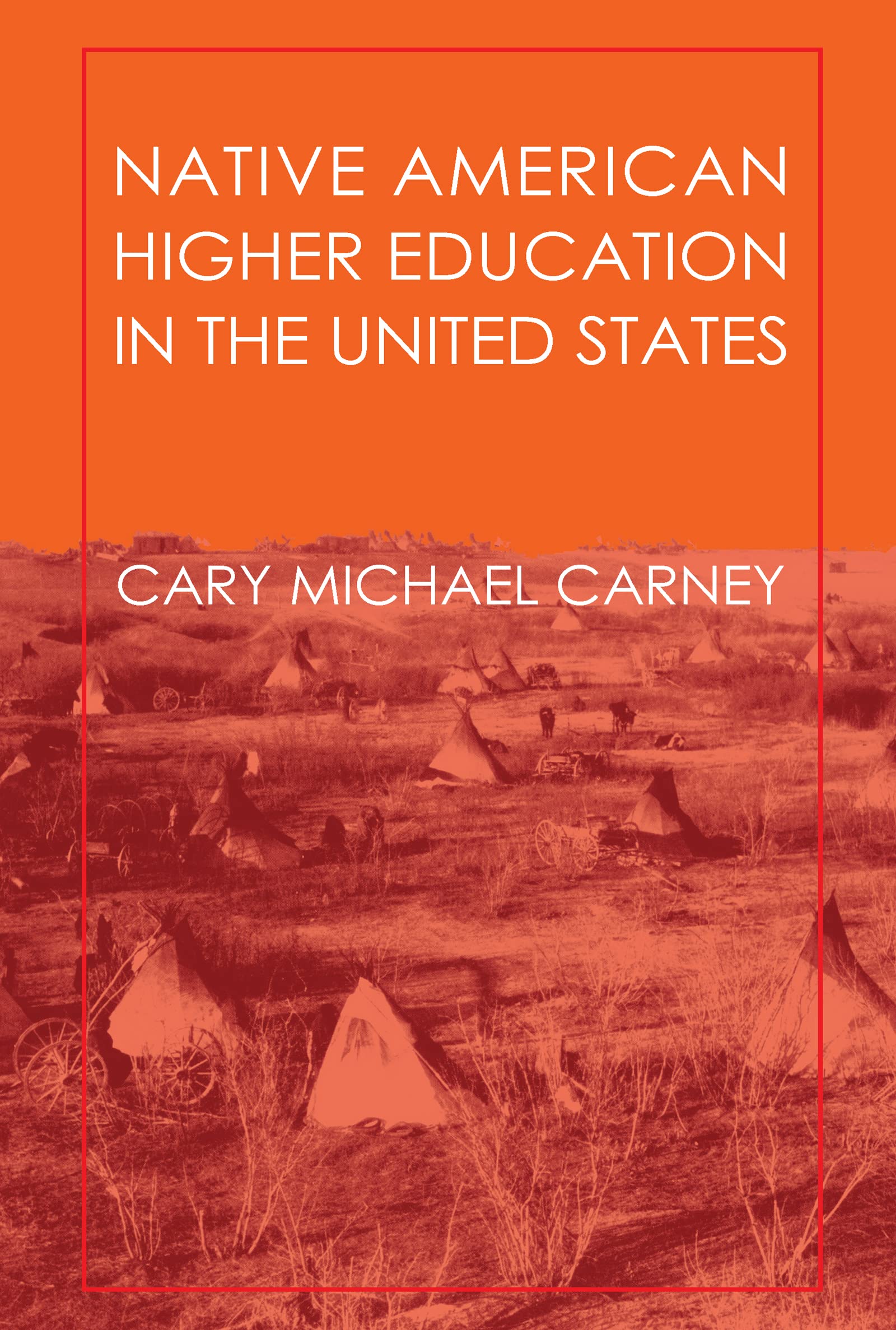
Many aspects of Native American education have been given extensive attention. There are plentiful works on the boarding school program, the mission school efforts, and other aspects of Indian education. Higher education, however, has received little examination. Select articles, passages, and occasional chapters touch on it, but usually only in respect to specific subjects as an adjunct to education in general. There is no thorough and comprehensive history of Native American higher education in the United States. Native American Higher Education in the United States fills this need, and is now available in paperback.Carney reviews the historical development of higher education for the Native American community from the age of discovery to the present. The author has constructed his book chronologically in three eras: the colonial period, featuring several efforts at Indian missions in the colonial colleges; the federal period, when Native American higher education was largely ignored except for sporadic tribal and private efforts; and the selfdetermination period, highlighted by the recent founding of the triballycontrolled colleges. Carney also includes a chapter comparing Native American higher education with AfricanAmerican higher education. The concluding chapter discusses the current status of Native American higher education.Carney's book fills an informational gap while at the same time opening the field of Native American higher education to continuing exploration. It will be valuable reading for educators and historians, and general readers interested in Native American culture.
⚠️ WARNING (California Proposition 65):
This product may contain chemicals known to the State of California to cause cancer,
birth defects, or other reproductive harm.
For MAP (Minimum Advertised Price) violations and Intellectual Property (IP) or Trademark concerns, please contact:
support@ergodebooks.com
⚠️ California Proposition 65 Warning: Some products sold on this website may expose you to chemicals known to the State of California to cause cancer, birth defects, or other reproductive harm. For more information, visit www.P65Warnings.ca.gov.