
Title
Native Americans and the Early Republic (United States Capitol Historical Society),New
Sold by Ergodebooks, an authorized reseller.
Returns accepted within 30 days | support@ergodebooks.com
Shipping Information
- Free Standard Shipping — United States only
- Processing Time: 3–5 business days
- Estimated Delivery: 6–10 business days after dispatch
- Double-boxed, fully insured & discreetly packaged
- Tracking number sent via email once dispatched
Returns & Refund
Returns accepted within 30 days of delivery.
Damaged or Defective Item
Free return shipping + replacement or full refund
Wrong Item Received
Free return shipping + replacement or full refund
Change of Mind
Return shipping at customer's expense · 25% restocking fee applies
Payment Option

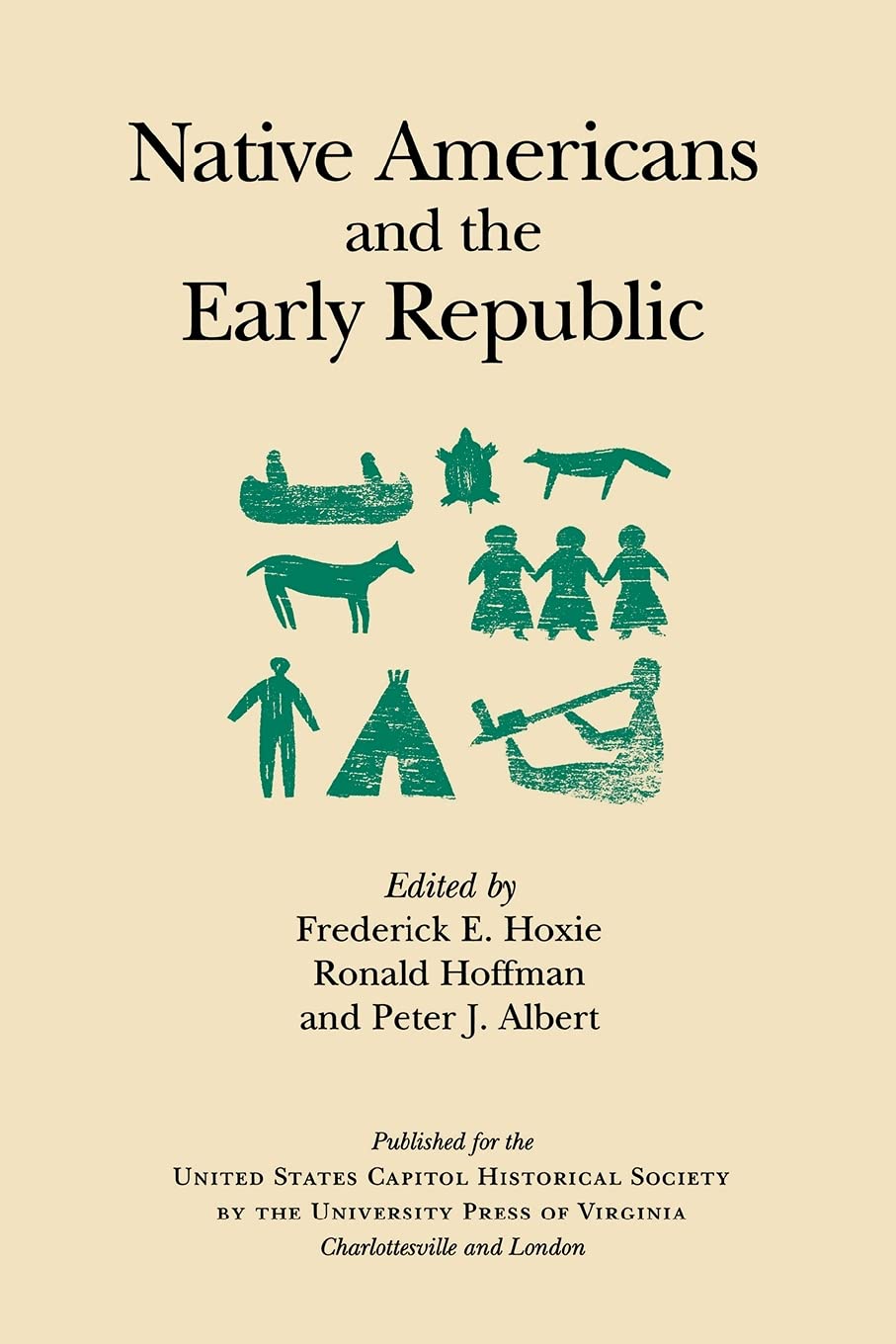
At the 1795 treaty council that sealed Anthony Wayne's victory at Fallen Timbers in northwest Ohio, the Wyandot leader Tarhe spoke for the assembled Native leaders when he admonished the American emissaries: 'Take care of your little ones; an impartial father equally regards all his children.' Spoken two decades after the minutemen's shots had echoed across Lexington Green, Tarhe's words compel historians to reconsider the rosy truisms that customarily encircle the age of the Early Republic.The essays in this volume begin to perform this important reexamination of the Native American experience in the postRevolutionary period. Tarhe's eloquent words and similar evidence quoted by the volume's contributors show that American Indians were not defeated refugees who dutifully stood aside in the wake of the British defeat, nor were they passive victims of American expansion. The book's three parts reflect the dynamic nature of the Native Americans' struggle: the first provides broad discussions of the interaction between Native Americans and the United States in the postwar era; the second traces histories of specific tribal communities; and the third explores the powerful repertoire of stories and pictures that Americans used to describe Native Americans to themselves during an era of national expansion. These essays open up for consideration a more complex history of the Early Republic.ContributorsColin G. Calloway, Dartmouth CollegeR. David Edmunds, University of Texas at DallasVivien Green Fryd, Vanderbilt UniversityReginald Horsman, University of WisconsinMilwaukeeElise Marienstras, University of ParisJoel W. Martin, Franklin and Marshall CollegeJames H. Merrell, Vassar CollegeTheda Perdue, University of North CarolinaDaniel K. Richter, Dickinson CollegeDaniel H. Usner Jr., Cornell UniversityRichard White, Stanford University
⚠️ WARNING (California Proposition 65):
This product may contain chemicals known to the State of California to cause cancer, birth defects, or other reproductive harm.
For more information, please visit www.P65Warnings.ca.gov.