
Title
Natural Colorants for Dyeing and Lake Pigments: Practical Recipes and their Historical Sources,Used
Sold by Ergodebooks, an authorized reseller.
Returns accepted within 30 days | support@ergodebooks.com
Shipping Information
- Free Standard Shipping — United States only
- Processing Time: 3–5 business days
- Estimated Delivery: 6–10 business days after dispatch
- Double-boxed, fully insured & discreetly packaged
- Tracking number sent via email once dispatched
Returns & Refund
Returns accepted within 30 days of delivery.
Damaged or Defective Item
Free return shipping + replacement or full refund
Wrong Item Received
Free return shipping + replacement or full refund
Change of Mind
Return shipping at customer's expense · 25% restocking fee applies
Payment Option

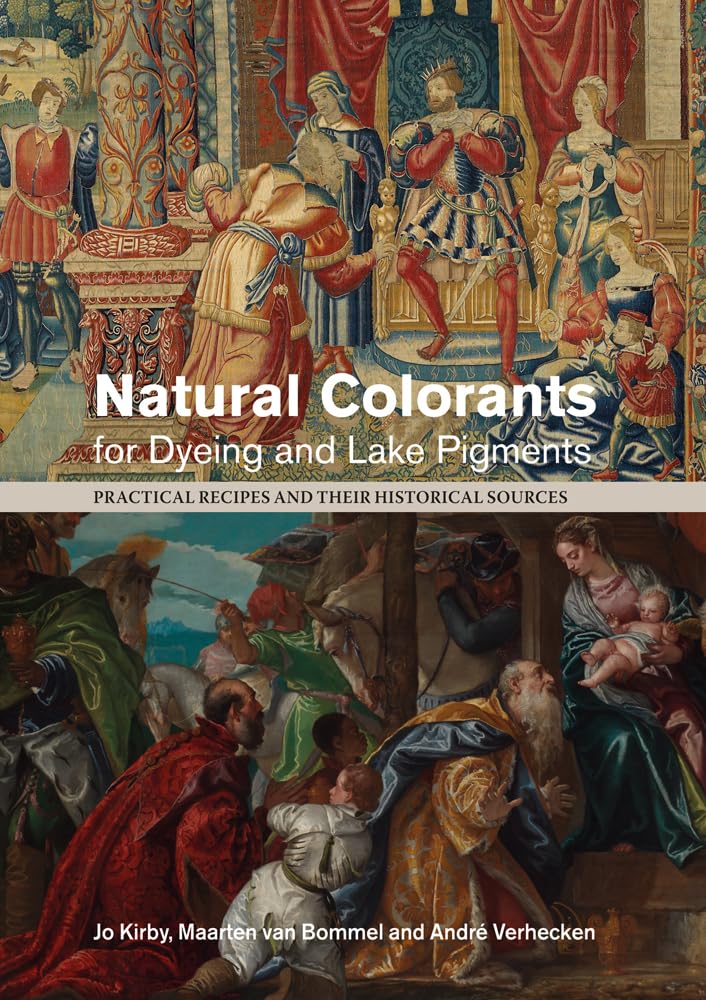
This simple handbook aims to enable readers to make their own lake pigments or dye their own textiles using dyes from naturally occurring raw materials in a simple way under relatively controlled conditions and using recipes optimised for easy use in the laboratory or indeed the classroom. The book provides the basic principles of dying and lake pigment making (using the term lake pigment in its original, historical, sense indicating a naturally occurring dye precipitated onto a conventional usually white substrate, frequently a form of hydrated alumina) and from these the reader can try modifying the conditions or the amount of raw material, for example, to obtain different results. Suggestions for simple modifications are given.Contents:IntroductionNatural dyes and their sources plants, insect reds and shellfish purpleThe techniques of dyeing and pigment making the basic chemistry behind the processesRecipes for dyeingRecipes for pigment makingBibliography
⚠️ WARNING (California Proposition 65):
This product may contain chemicals known to the State of California to cause cancer, birth defects, or other reproductive harm.
For more information, please visit www.P65Warnings.ca.gov.
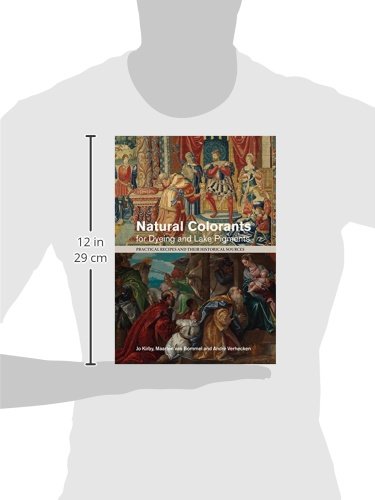
- Q: What are the dimensions of the book? A: The book measures eight point two three inches in length, zero point three nine inches in width, and eleven point seven three inches in height.
- Q: How many pages does this book have? A: This book has one hundred twelve pages dedicated to dyeing and pigment making.
- Q: What type of binding does the book have? A: The book is published in paperback binding, making it lightweight and easy to handle.
- Q: What is the main purpose of this book? A: This book aims to teach readers how to create their own lake pigments and dye textiles using natural materials.
- Q: Who is the author of this book? A: The book is authored by Jo Kirby, who provides practical recipes and historical context.
- Q: What techniques are covered in the book? A: The book covers various techniques for dyeing and pigment making, including the basic chemistry involved.
- Q: How can I use the recipes in the book? A: You can follow the provided recipes to dye textiles or create pigments using naturally occurring materials.
- Q: Is this book suitable for beginners? A: Yes, the book is designed for readers of all skill levels, including beginners interested in natural dyeing.
- Q: Can I use this book for classroom activities? A: Yes, the book includes recipes optimized for easy use in both laboratory and classroom settings.
- Q: What materials do I need to use the recipes? A: The recipes require naturally occurring raw materials, which are detailed in the book's contents.
- Q: How should I store this book? A: Store the book in a cool, dry place to protect it from moisture and damage.
- Q: Is there a specific way to clean the book? A: To clean the book, simply dust it with a soft, dry cloth to remove any surface dirt.
- Q: What should I do if the book arrives damaged? A: If the book arrives damaged, you should contact the seller for a replacement or refund.
- Q: Can I return the book if I don't like it? A: Yes, many retailers offer a return policy if you are not satisfied with your purchase.
- Q: Does the book provide safety instructions for dyeing? A: Yes, the book emphasizes safe practices for dyeing and pigment making throughout its sections.
- Q: Is this book appropriate for children? A: While the book is suitable for educational purposes, adult supervision is recommended for younger readers during practical activities.