
Title
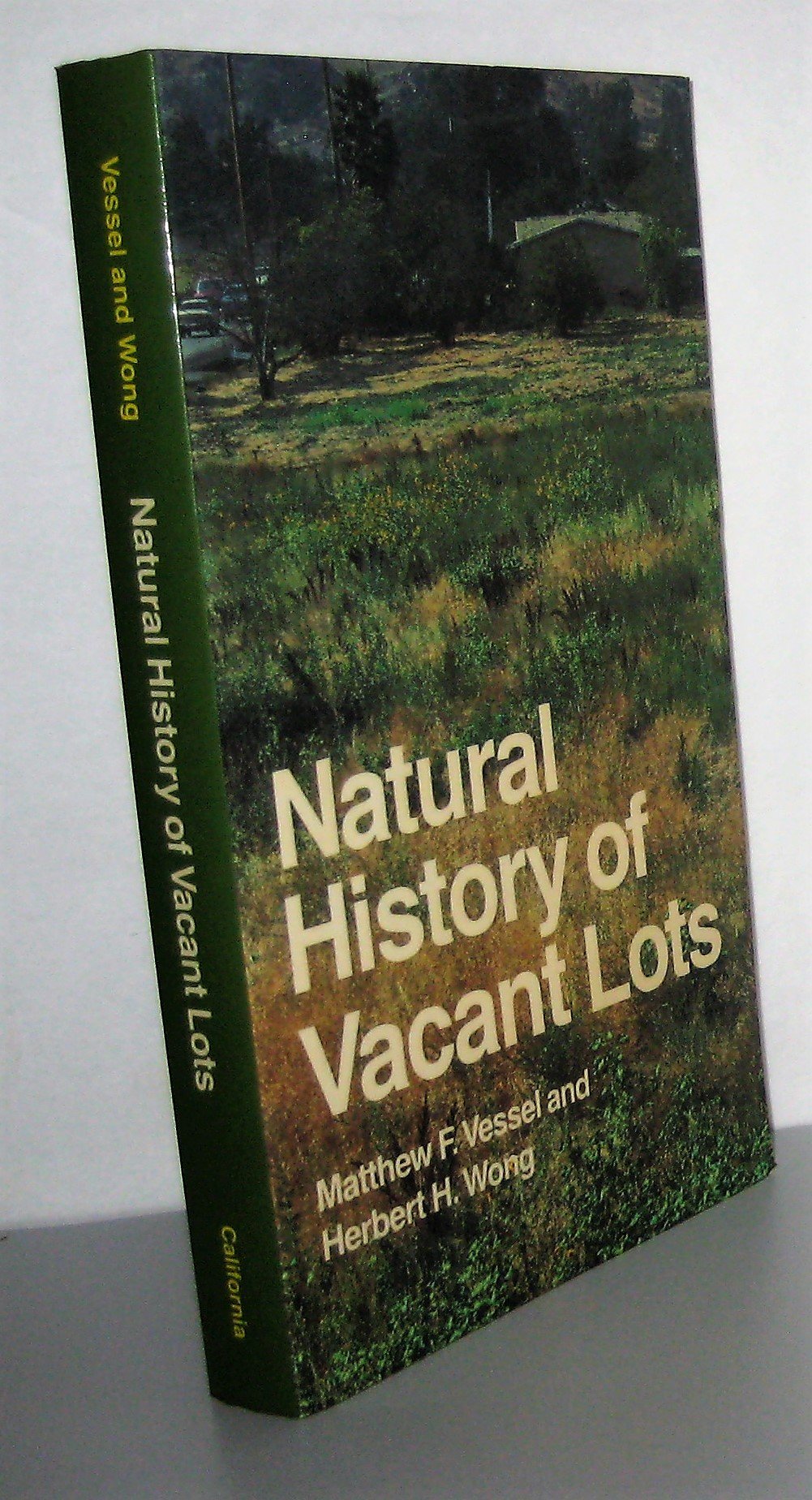
Natural History of Vacant Lots (California Natural History Guide No. 50),Used
Sold by Ergodebooks, an authorized reseller.
Returns accepted within 30 days | support@ergodebooks.com
Shipping Information
- Free Standard Shipping — United States only
- Processing Time: 3–5 business days
- Estimated Delivery: 6–10 business days after dispatch
- Double-boxed, fully insured & discreetly packaged
- Tracking number sent via email once dispatched
Returns & Refund
Returns accepted within 30 days of delivery.
Damaged or Defective Item
Free return shipping + replacement or full refund
Wrong Item Received
Free return shipping + replacement or full refund
Change of Mind
Return shipping at customer's expense · 25% restocking fee applies
Payment Option

Vacant lots aren't really vacant: a surprising number of plants and animals live in the leftover spaces in our cities. In this fascinating guide, authors Vessel and Wong provide a broad introduction to the unique ecosystems that can survive in the urban environment.
⚠️ WARNING (California Proposition 65):
This product may contain chemicals known to the State of California to cause cancer, birth defects, or other reproductive harm.
For more information, please visit www.P65Warnings.ca.gov.
- Q: What is the main topic of 'Natural History of Vacant Lots'? A: The book explores the ecosystems that thrive in urban vacant lots, highlighting the diverse plants and animals that inhabit these overlooked areas.
- Q: Who are the authors of this book? A: The book is authored by Matthew F. Vessel and Wong, both of whom provide expertise on urban ecology.
- Q: What is the publication date of this book? A: The book was published on April 20, 1989.
- Q: How many pages does 'Natural History of Vacant Lots' have? A: The book contains 320 pages.
- Q: What is the binding type of this book? A: The book is available in paperback binding.
- Q: What condition is the book in? A: The item is listed as 'Acceptable', which indicates it may have some wear but is still usable.
- Q: Is this book part of a series? A: Yes, it is part of the California Natural History Guide series, specifically as number 50.
- Q: What can I learn from reading this book? A: Readers can gain insights into the unique ecosystems of urban areas, including the types of flora and fauna that can survive in vacant lots.
- Q: Is this book suitable for beginners in ecology? A: Yes, the book provides a broad introduction, making it accessible for those new to the subject of urban ecology.
- Q: Are there any illustrations or photographs in the book? A: The book includes illustrations and photographs that complement the text and enhance understanding of the ecosystems discussed.