
Title
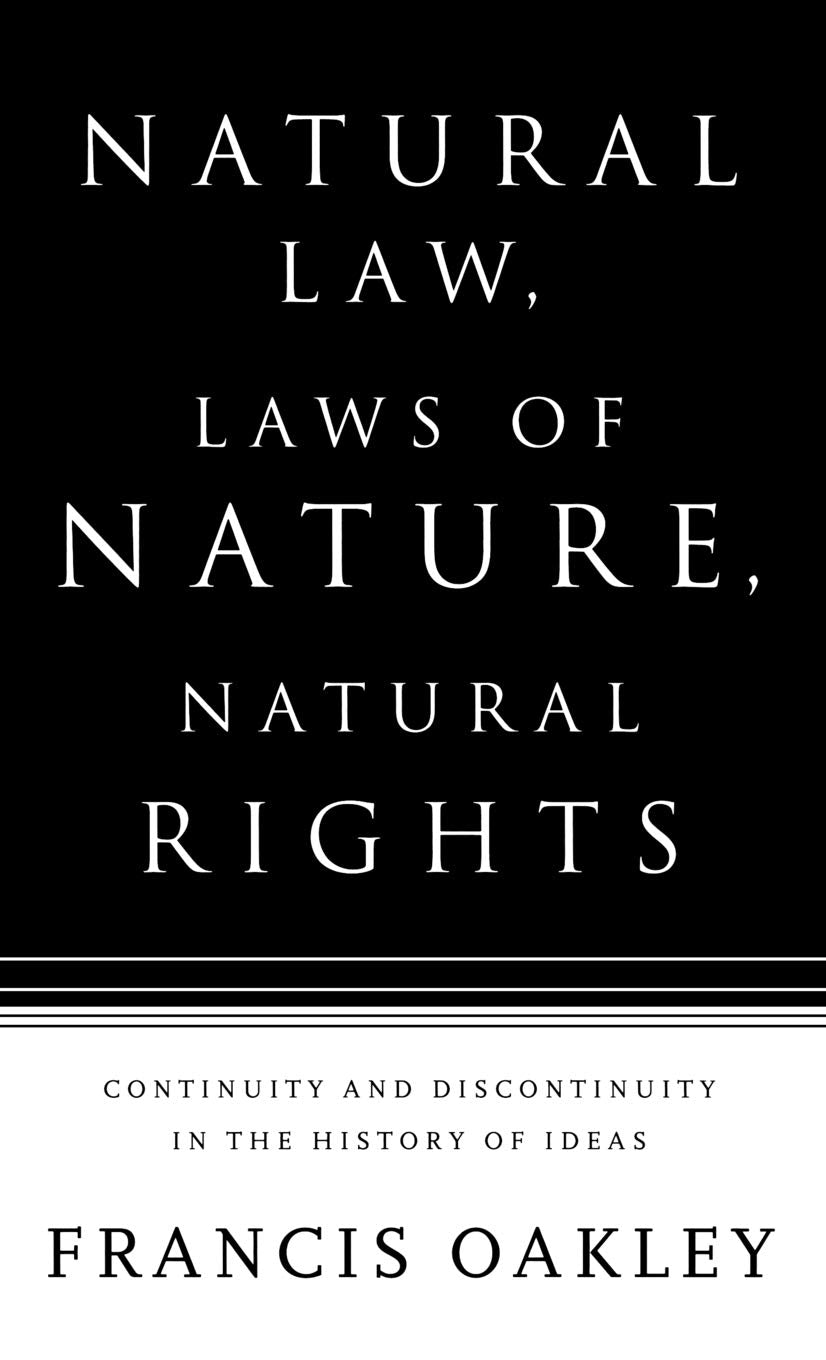
Natural Law, Laws Of Nature, Natural Rights: Continuity And Discontinuity In The History Of Ideas,Used
Sold by Ergodebooks, an authorized reseller.
Returns accepted within 30 days | support@ergodebooks.com
Shipping Information
- Free Standard Shipping — United States only
- Processing Time: 3–5 business days
- Estimated Delivery: 6–10 business days after dispatch
- Double-boxed, fully insured & discreetly packaged
- Tracking number sent via email once dispatched
Returns & Refund
Returns accepted within 30 days of delivery.
Damaged or Defective Item
Free return shipping + replacement or full refund
Wrong Item Received
Free return shipping + replacement or full refund
Change of Mind
Return shipping at customer's expense · 25% restocking fee applies
Payment Option

Choice Outstanding Academic Title 2006The existence and grounding of human or natural rights is a heavily contested issue today, not only in the West but in the debates raging between 'fundamentalists' and 'liberals' or 'modernists in the Islamic world. So, too, are the revised versions of natural law espoused by thinkers such as John Finnis and Robert George. This book focuses on three bodies of theory that developed between the thirteenth and seventeenth centuries: (1) the foundational belief in the existence of a moral/juridical natural law, embodying universal norms of right and wrong and accessible to natural human reason; (2) the understanding of (scientific) uniformities of nature as divinely imposed laws, which rose to prominence in the seventeenth century; and (3), finally, the notion that individuals are bearers of inalienable natural or human rights. While seen today as distinct bodies of theory often locked in mutual conflict, they grew up inextricably intertwines. The book argues that they cannot be properly understood if taken each in isolation from the others.Choice Outstanding Academic Title 2006The existence and grounding of human or natural rights is a heavily contested issue today, not only in the West but in the debates raging between 'fundamentalists' and 'liberals' or 'modernists in the Islamic world. So, too, are the revised versions of natural law espoused by thinkers such as John Finnis and Robert George. This book focuses on three bodies of theory that developed between the thirteenth and seventeenth centuries: (1) the foundational belief in the existence of a moral/juridical natural law, embodying universal norms of right and wrong and accessible to natural human reason; (2) the understanding of (scientific) uniformities of nature as divinely imposed laws, which rose to prominence in the seventeenth century; and (3), finally, the notion that individuals are bearers of inalienable natural or human rights. While seen today as distinct bodies of theory often locked in mutual conflict, they grew up inextricably intertwines. The book argues that they cannot be properly understood if taken each in isolation from the others.
⚠️ WARNING (California Proposition 65):
This product may contain chemicals known to the State of California to cause cancer, birth defects, or other reproductive harm.
For more information, please visit www.P65Warnings.ca.gov.