
Title


Natural Resource Abundance, Growth, and Diversification in the Middle East and North Africa: The Effects of Natural Resources an,Used
Sold by Ergodebooks, an authorized reseller.
Returns accepted within 30 days | support@ergodebooks.com
Shipping Information
- Free Standard Shipping — United States only
- Processing Time: 3–5 business days
- Estimated Delivery: 6–10 business days after dispatch
- Double-boxed, fully insured & discreetly packaged
- Tracking number sent via email once dispatched
Returns & Refund
Returns accepted within 30 days of delivery.
Damaged or Defective Item
Free return shipping + replacement or full refund
Wrong Item Received
Free return shipping + replacement or full refund
Change of Mind
Return shipping at customer's expense · 25% restocking fee applies
Payment Option

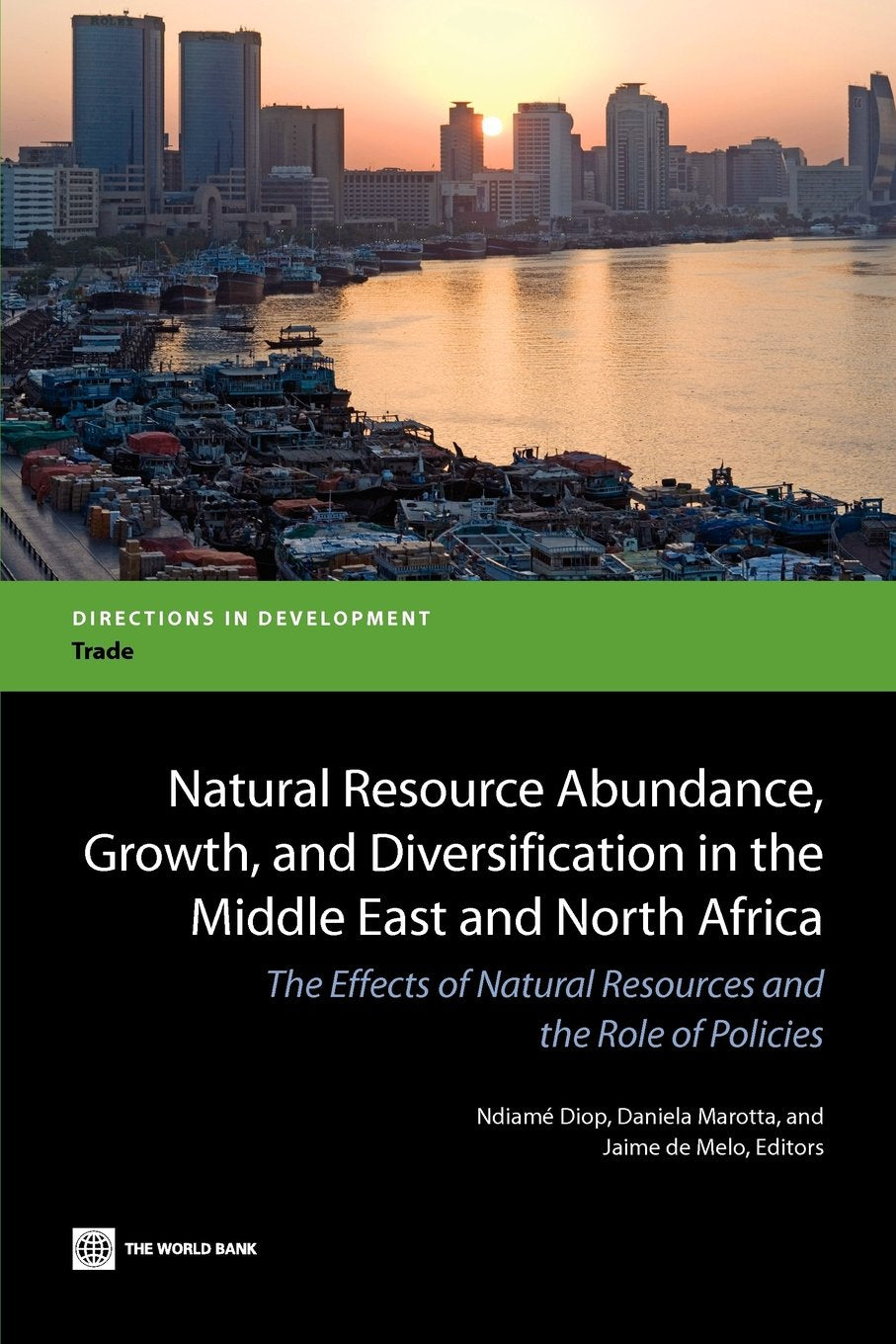
MENA is one of the richest regions in the world in terms of natural resources: it holds more than 60 percent of the worlds proven oil reserves, mostly located in the Gulf region, and nearly half of gas reserves. Oil represents 8085 percent of merchandise exports in the region, making it highly depending on fluctuations in international prices. A long strand of economic literature has suggested that such dependence may hurt a countrys growth prospects and the scope for job creation by reducing economic diversification. This volume investigates the effect of natural resources and the role of policies on achieving higher and sustained growth through diversification away from oil. It explores analytical questions which include: (i) the impact of the real exchange rate on manufacturing and tradable services competitiveness in MENA; (ii) the role of fiscal policy in supporting diversification; (iii) how weak links (input sectors with low productivity) play a critical role in explaining the concentration of economic activities, in addition to the classical Dutch Disease effect and (iv) the impact of macroeconomic factors on the drive for regional integration Several policy recommendations emerge from this analysis: (i) policymakers should strive to avoid real exchange rate overvaluation through consistent fiscal policies, flexible exchange rates and adequate product and factor market regulations; (ii) reforms to improve the competition and efficiency of upstream input activities are crucial for improving the performance of downstream activities and diversification in MENA (iii) a consistent and transparent fiscal policy is essential to reduce instability, build the fiscal space needed to invest in core infrastructure and human capital and create a favorable environment for diversification; (iv) while regional trade integration is desirable for political, social, cultural and economic reasons, in terms of trade liberalization, this is not the best option for resourcerich countries of the region. Policymakers should take this into account in discussing regional integration options. It is hoped that the findings of this work will be of interest to policymakers, the civil society, donors and practitioners in MENA countries and stimulate the debate of such an important topic.
⚠️ WARNING (California Proposition 65):
This product may contain chemicals known to the State of California to cause cancer, birth defects, or other reproductive harm.
For more information, please visit www.P65Warnings.ca.gov.