
Title
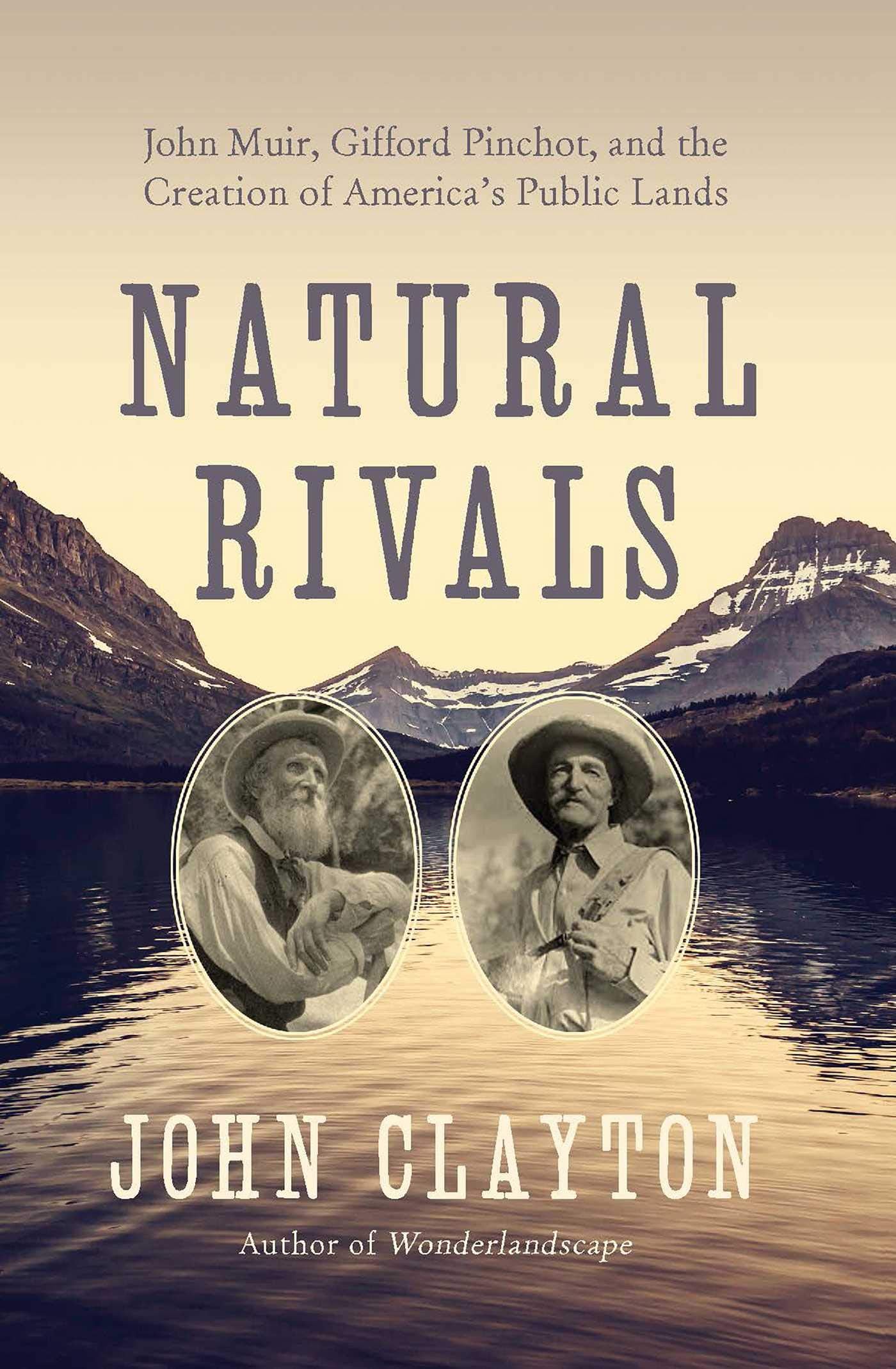
Natural Rivals: John Muir, Gifford Pinchot, and the Creation of America's Public Lands,Used
Sold by Ergodebooks, an authorized reseller.
Returns accepted within 30 days | support@ergodebooks.com
Shipping Information
- Free Standard Shipping — United States only
- Processing Time: 3–5 business days
- Estimated Delivery: 6–10 business days after dispatch
- Double-boxed, fully insured & discreetly packaged
- Tracking number sent via email once dispatched
Returns & Refund
Returns accepted within 30 days of delivery.
Damaged or Defective Item
Free return shipping + replacement or full refund
Wrong Item Received
Free return shipping + replacement or full refund
Change of Mind
Return shipping at customer's expense · 25% restocking fee applies
Payment Option

A dynamic examination that traces the lives of two of the most influential figuresand their dueling approacheson America's natural landscape.John Muir, the most famous naturalist in American history, protected Yosemite, cofounded the Sierra Club, and is sometimes called the Father of the National Parks. A poor immigrant, selftaught, individualistic, and skeptical of institutions, his idealistic belief in the spiritual benefits of holistic natural systems led him to a philosophy of preserving wilderness unimpaired.Gifford Pinchot founded the U.S. Forest Service and advised his friend Theodore Roosevelt on environmental policy. Raised in wealth, educated in privilege, and interested in how institutions and community can overcome failures in individual virtue, Pinchots pragmatic belief in professional management led him to a philosophy of sustainably conserving natural resources.When these rivaling perspectives meet, what happens? For decades, the story of their relationship has been told as a split between the conservation and preservation philosophies, sparked by a proposal to dam a remote Yosemite valley called Hetch Hetchy. But a decade before that argument, Muir and Pinchot camped together alongside Montanas jewellike Lake McDonald in, which was at the heart of a region not yet consecrated as Glacier National Park.At stake in 1896 was the new idea that some landscapes should be collectively, permanently owned by a democratic government. Although many people today think of public lands as an American birthright, their very existence was then in doubt, and dependent on a merger of the talents of these two men. Natural Rivals examines a time of environmental threat and political dysfunction not unlike our own, and reveals the complex dynamic that gave birth to America's rich public lands legacy.
⚠️ WARNING (California Proposition 65):
This product may contain chemicals known to the State of California to cause cancer, birth defects, or other reproductive harm.
For more information, please visit www.P65Warnings.ca.gov.