
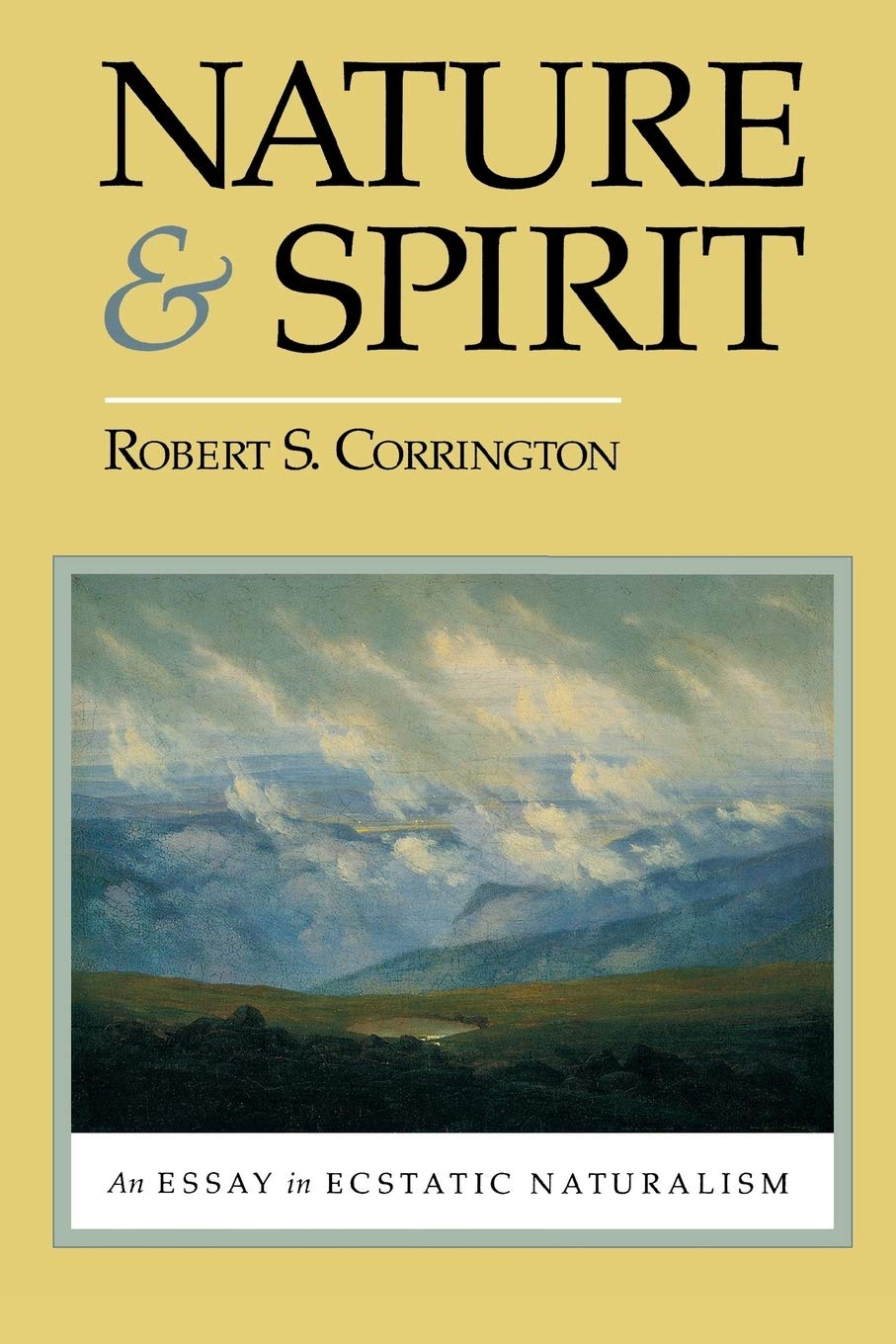
Title
Nature and Spirit: An Essay in Ecstatic Naturalism,Used
Sold by Ergodebooks, an authorized reseller.
Returns accepted within 30 days | support@ergodebooks.com
Shipping Information
- Free Standard Shipping — United States only
- Processing Time: 3–5 business days
- Estimated Delivery: 6–10 business days after dispatch
- Double-boxed, fully insured & discreetly packaged
- Tracking number sent via email once dispatched
Returns & Refund
Returns accepted within 30 days of delivery.
Damaged or Defective Item
Free return shipping + replacement or full refund
Wrong Item Received
Free return shipping + replacement or full refund
Change of Mind
Return shipping at customer's expense · 25% restocking fee applies
Payment Option

Nature and Spirit: An Essay in Ecstatic Naturalism develops an enlarged conception of nature that in turn calls for a transformed naturalism. Unline more descriptive naturalisms, such as those by Dewey, Santayana, and Buchler, ecstatic naturalism works out of the fundamental ontological difference between nature naturing(natura naturans) and nature natured (natura naturata). This difference underlies all other variations within a generic conception of nature. The spirit operates within a generic conception of nature. The spirit operates within a fragmented nature and has its own unique locations. Ecstatic naturalism does not eulogize spirit nor impose a process theodicy upon nature as a whole but carefully describes the ways in which spirit emerges from finite locations within the world.Methodologically, the text radically regrounds phenomenology so that it can work more closely with a metaphysics seeking the most generic forms of nature. The move from a transcendental phenomenology, which rests upon a profound misconception of the parcel of a radicalized naturalism, makes it possible to show how all orders of relevance are related to nature and to the spirit. This, in turn relocates the human process, with its dialectical tension between finitude and transendence, and places the self fully within the emergent structures of the community of interpreters as that community lives out of hope.The concept of worldhood is regrounded in pragmatic and semiotic terms, thus putting pressure on Heidegger's formulations. Peirce's pragmatic categorical structure is used to show how worldhood differs from any other order within the world. The correlation of the potencies of nature, which are presemiotic and preordinal, wit the orders of the world itself, is possible only through an ordinal phenomenology that remains attuned to the fundamental difference between nature naturing (the potencies) and nature natured (the orders of the world).Finally, the text redefines the divine natures in the light of an ecstatic naturalism that sees god as an order within the world that experiences the fragmented quality of nature. Process theology is challenged for its inability to grasp the tensions between god and the encompassing. Four divine natures are laid bare as they relate to nature and to each other. The work concludes with a description of the divine life in the face of the encompassing.
⚠️ WARNING (California Proposition 65):
This product may contain chemicals known to the State of California to cause cancer, birth defects, or other reproductive harm.
For more information, please visit www.P65Warnings.ca.gov.