
Title
Nature Lost?: Natural Science And The German Theological Traditions Of The Nineteenth Century,New
Sold by Ergodebooks, an authorized reseller.
Returns accepted within 30 days | support@ergodebooks.com
Shipping Information
- Free Standard Shipping — United States only
- Processing Time: 3–5 business days
- Estimated Delivery: 6–10 business days after dispatch
- Double-boxed, fully insured & discreetly packaged
- Tracking number sent via email once dispatched
Returns & Refund
Returns accepted within 30 days of delivery.
Damaged or Defective Item
Free return shipping + replacement or full refund
Wrong Item Received
Free return shipping + replacement or full refund
Change of Mind
Return shipping at customer's expense · 25% restocking fee applies
Payment Option

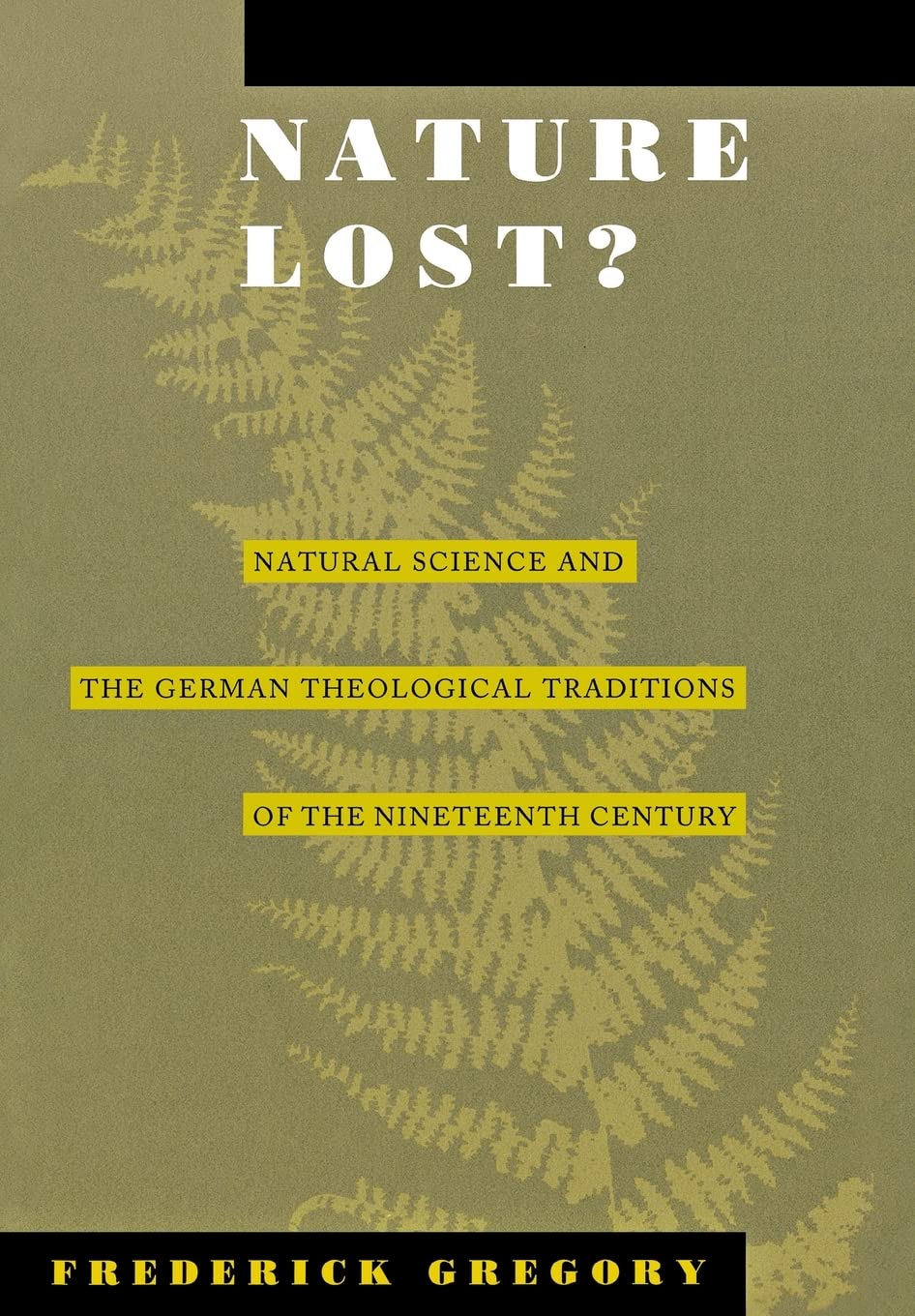
In The Main, Nineteenthcentury German Theologians Paid Little Attention To Natural Science And Especially Eschewed Philosophically Popular Yet Naive Versions Of Natural Theology. Frederick Gregory Shows That The Loss Of Nature From Theological Discourse Is Only One Reflection Of The Larger Cultural Change That Marks The Transition Of European Society From A Nineteenth Century To A Twentiethcentury Mentality.In Examining This 'Loss Of Nature,' Gregory Refers To A Larger Shift In Epistemological Foundationsa Shift Felt In Many Fields Ranging From Art To Philosophy To History To, Of Course, Theology. Employing Different Understandings Of The Concept Of Truth As Investigative Tools, The Author Depicts Varying Theological Responses To The Growth Of Natural Science In The Nineteenth Century. Although Nature Was Lost To Germany'S 'Premier' Theologians, Gregory Shows It Was Not Lost To The Majority Of Nineteenth Century Laypeople Or To The Various Theologians Who Spoke For Them. Like Their Twentiethcentury Counterparts, Nineteenthcentury Creationists Insisted On Keeping Nature At The Heart Of Their Systems; Liberals Welcomed Natural Knowledge With The Conviction That There Would Be No Contradiction If One Really Understood Science Or If One Really Understood Religion; And Pantheistic Naturalists Confidently Discovered A Religious Vision In The Wonder Of The Darwinian Universe. Gregory Suggests That Modern Theologians Who Stand In The Shadow Of The Loss Of Nature From Theology Are Challenged To Devise A Way To Recapture What Others Did Not Abandon.In This Study Of Natural Science And Religion In Nineteenth Century Germanspeaking Europe, Gregory Examines An Important But Largely Neglected Topic That Will Interest An Audience That Includes Historians Of Theology, Historians Of Philosophy, Cultural And Intellectual Historians Of The Germanspeaking World, And Historians Of Science.
⚠️ WARNING (California Proposition 65):
This product may contain chemicals known to the State of California to cause cancer, birth defects, or other reproductive harm.
For more information, please visit www.P65Warnings.ca.gov.