
Title
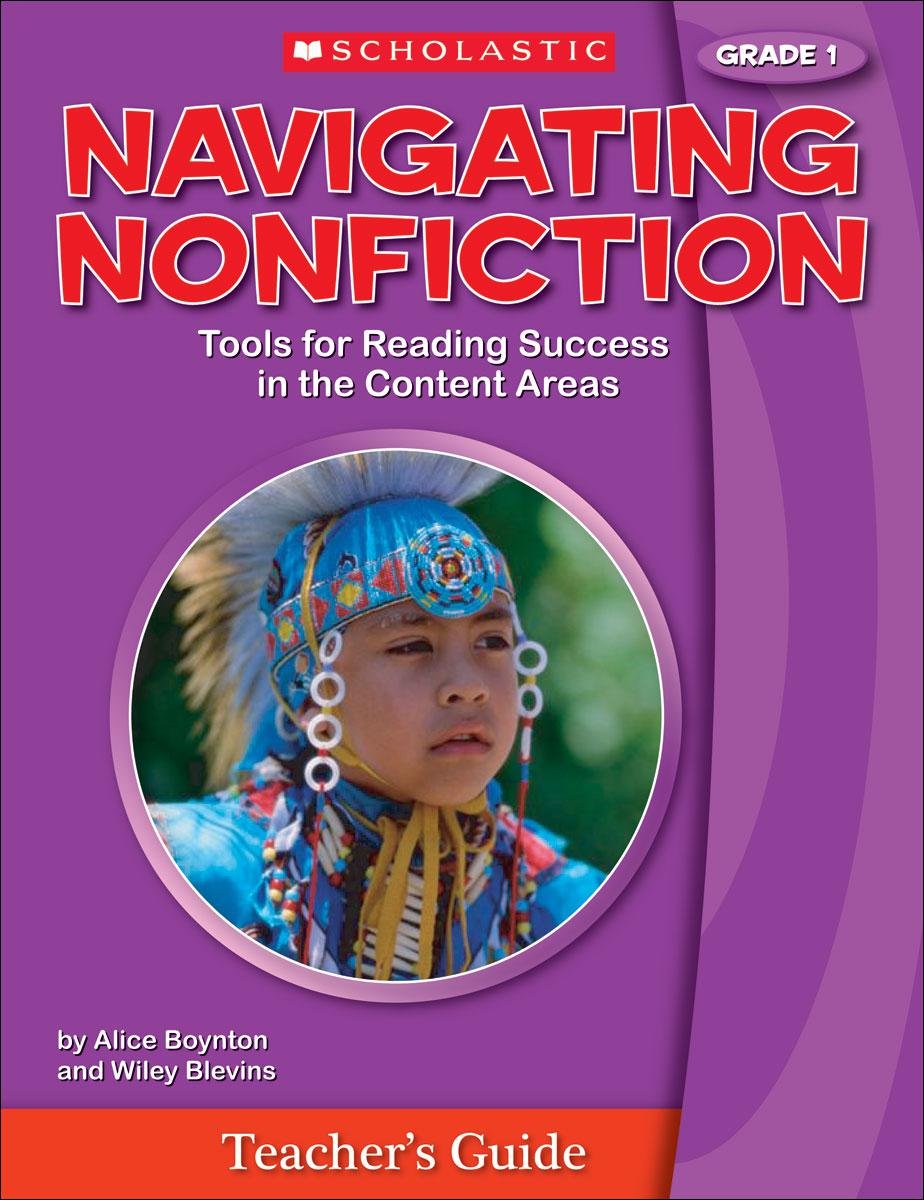
Navigating Nonfiction Grade 1 Teacher's Guide,Used
Sold by Ergodebooks, an authorized reseller.
Returns accepted within 30 days | support@ergodebooks.com
Shipping Information
- Free Standard Shipping — United States only
- Processing Time: 3–5 business days
- Estimated Delivery: 6–10 business days after dispatch
- Double-boxed, fully insured & discreetly packaged
- Tracking number sent via email once dispatched
Returns & Refund
Returns accepted within 30 days of delivery.
Damaged or Defective Item
Free return shipping + replacement or full refund
Wrong Item Received
Free return shipping + replacement or full refund
Change of Mind
Return shipping at customer's expense · 25% restocking fee applies
Payment Option

As students progress through the grades, more and more of their reading is done in nonfiction, or expository, materialscontent area textbooks, reference books, periodicals, and informative articles on the Internet, for example. Because the main purpose for reading these texts is to acquire information, the reasons for teaching our students efficient and effective strategies for tackling this type of text are compelling. Students need explicit instruction in identifying and best utilizing the text features and text structures they encounter. If students learn to read the signposts that are guides to the organization of a particular piece of nonfiction, they will be better equipped to navigate their way through and comprehend the material.As a complete nonfiction reading worktext program, Navigating Nonfiction will help students get the most out of this genre.Teacher's Guide: targets critical nonfiction reading skills essential for academic reading success. contains simple, easytofollow instructional routines. provides explicit teaching models and thinkalouds. highlights key research that supports the program's approach. includes a fullcolor poster that contrasts nonfiction and fictions, for an ataglance understanding. For use with Grade 1.
⚠️ WARNING (California Proposition 65):
This product may contain chemicals known to the State of California to cause cancer, birth defects, or other reproductive harm.
For more information, please visit www.P65Warnings.ca.gov.
- Q: What is the main purpose of the Navigating Nonfiction Grade 1 Teacher's Guide? A: The main purpose of the Navigating Nonfiction Grade 1 Teacher's Guide is to help students develop critical nonfiction reading skills essential for academic success, guiding them in how to effectively read and comprehend various nonfiction texts.
- Q: What age group is this teacher's guide intended for? A: This teacher's guide is intended for Grade 1 students, focusing on their reading development in nonfiction materials.
- Q: What type of materials does the guide cover? A: The guide covers a range of nonfiction materials including content area textbooks, reference books, periodicals, and informative articles, helping students navigate these types of texts.
- Q: What are the key features of the Navigating Nonfiction Teacher's Guide? A: Key features include simple instructional routines, explicit teaching models, think-aloud strategies, and a full-color poster contrasting nonfiction and fiction for easy reference.
- Q: How many pages does the Teacher's Guide contain? A: The Teacher's Guide contains a total of 96 pages.
- Q: Is the Navigating Nonfiction Teacher's Guide suitable for all reading levels? A: The guide is specifically designed for Grade 1 students, focusing on their unique needs in understanding and utilizing nonfiction texts.
- Q: Who is the author of the Navigating Nonfiction Teacher's Guide? A: The author of the guide is Alice Blevins.
- Q: What type of binding does the Teacher's Guide have? A: The Teacher's Guide is spiral-bound, allowing for easy handling and page-turning during lessons.
- Q: When was the Navigating Nonfiction Teacher's Guide published? A: The Teacher's Guide was published on April 1, 2007.
- Q: What instructional support does the guide provide for teachers? A: The guide provides explicit teaching models and think-aloud strategies, which help teachers demonstrate reading techniques and approaches to effectively engage students with nonfiction texts.