
Title
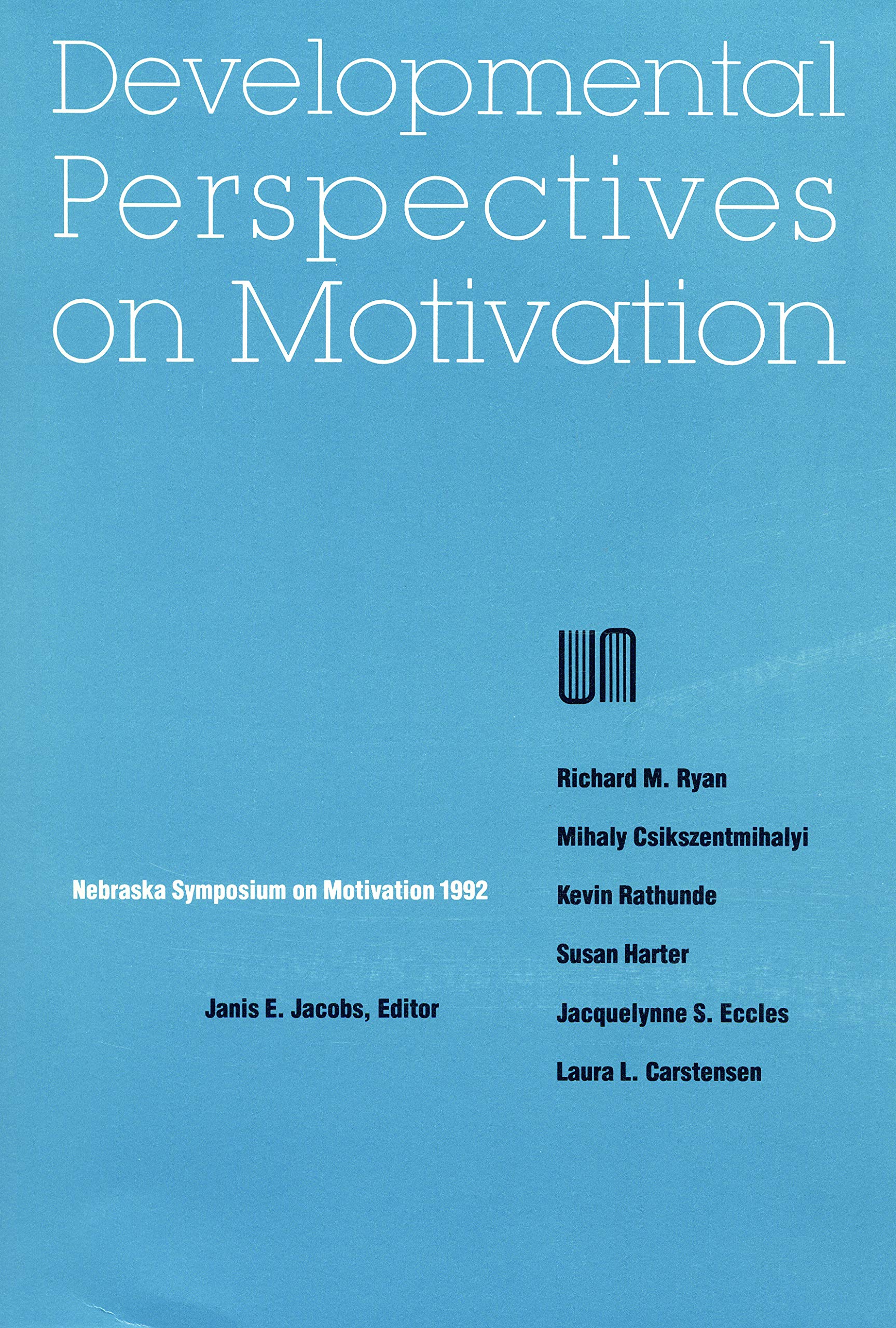
Nebraska Symposium on Motivation, 1992, Volume 40: Developmental Perspectives on Motivation,Used
Sold by Ergodebooks, an authorized reseller.
Returns accepted within 30 days | support@ergodebooks.com
Shipping Information
- Free Standard Shipping — United States only
- Processing Time: 3–5 business days
- Estimated Delivery: 6–10 business days after dispatch
- Double-boxed, fully insured & discreetly packaged
- Tracking number sent via email once dispatched
Returns & Refund
Returns accepted within 30 days of delivery.
Damaged or Defective Item
Free return shipping + replacement or full refund
Wrong Item Received
Free return shipping + replacement or full refund
Change of Mind
Return shipping at customer's expense · 25% restocking fee applies
Payment Option

Some of the best current work on the development of motivation is presented in this fortieth volume of the Nebraska Symposium on Motivation. The diverse approaches for conceptualizing and studying motivational development psychology that extends the traditional area of achievement motivation. Some major themes emerge: the conceptualization of the self, the internal and external factors that affect development of motivations, and the choices that result from one's motivations.Richard Ryan's opening chapter places the entire work in context by describing historical and theoretical perspectives on developmental and psychosocial models used to understand motivation. Mihaly Csikszentmihaly and Kevin Rathunde also focus on intrinsic motivation, but with a greater focus on 'flow,' the experience of full involvement with an activity. Susan Harter discusses the roles of the Iself and the meself research models.Jacquelynne S. Eccles stresses the link between the social contexts of family and school and the motivational constructs related to achievement and choice of activity. Laura L. Carstensen maintains Eccles's focus on the importance of choice of activity, but concentrates on the later stages in life when social contact declines as a result of changing social and emotional motivations.The volume concludes with a summary analyzing the contributors' descriptions of the diverse but complementary aspects of developmental processes and theory.
⚠️ WARNING (California Proposition 65):
This product may contain chemicals known to the State of California to cause cancer, birth defects, or other reproductive harm.
For more information, please visit www.P65Warnings.ca.gov.
- Q: What is the main focus of Nebraska Symposium on Motivation, 1992, Volume 40? A: The main focus of this volume is on developmental perspectives on motivation, exploring various psychological approaches to understanding how motivation develops throughout life.
- Q: Who are the key contributors to this volume? A: Key contributors include Richard Ryan, Mihaly Csikszentmihalyi, Kevin Rathunde, Susan Harter, Jacquelynne S. Eccles, and Laura L. Carstensen, each providing unique insights into motivation.
- Q: What are some major themes discussed in this book? A: Major themes include the conceptualization of the self, the influence of internal and external factors on motivation, and the choices that stem from one’s motivations.
- Q: Is this book suitable for professionals in psychology? A: Yes, this book is highly suitable for professionals, researchers, and students in psychology, particularly those interested in motivation and developmental psychology.
- Q: What is the format and condition of this book? A: The book is available in paperback format and is in new condition.
- Q: How many pages does Nebraska Symposium on Motivation, 1992, Volume 40 have? A: The book has a total of 299 pages.
- Q: When was this volume published? A: This volume was published on October 1, 1993.
- Q: Does the book cover the role of social contexts in motivation? A: Yes, it discusses the link between social contexts such as family and school and their impact on motivational constructs related to achievement.
- Q: What age groups does this volume address regarding motivation? A: The volume addresses motivational development across different life stages, including childhood and later stages of life.
- Q: Can this book help with understanding intrinsic motivation? A: Yes, it provides insights into intrinsic motivation, particularly through the work of contributors like Mihaly Csikszentmihalyi.