
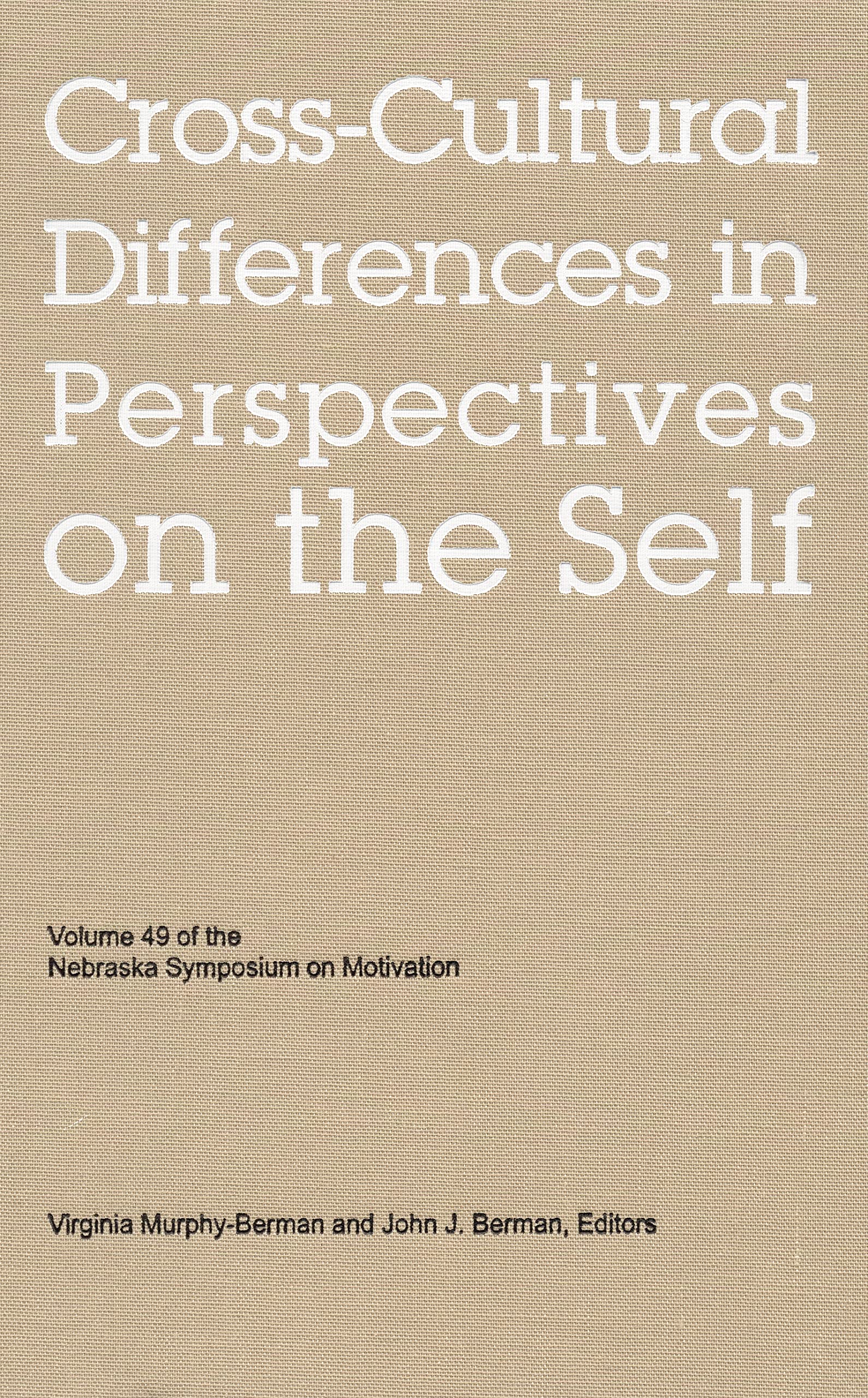
Title
Nebraska Symposium On Motivation, 2002, Volume 49: Crosscultural Differences In Perspectives On The Self,Used
Sold by Ergodebooks, an authorized reseller.
Returns accepted within 30 days | support@ergodebooks.com
Shipping Information
- Free Standard Shipping — United States only
- Processing Time: 3–5 business days
- Estimated Delivery: 6–10 business days after dispatch
- Double-boxed, fully insured & discreetly packaged
- Tracking number sent via email once dispatched
Returns & Refund
Returns accepted within 30 days of delivery.
Damaged or Defective Item
Free return shipping + replacement or full refund
Wrong Item Received
Free return shipping + replacement or full refund
Change of Mind
Return shipping at customer's expense · 25% restocking fee applies
Payment Option

Product Description CrossCultural Difference in Perspectives on the Self features the latest research in a dynamic area of inquiry and practice. Considered in these pages are crosscultural differences in the idea of the person and in models of balancing obligations to the self, family, and community.Revisiting and questioning the concepts of self and selfworth, the authors investigate the extent to which factors traditionally associated with psychological effectiveness (intrinsic motivation; assuming personal responsibility for ones actions; and feeling in control, unique, hopeful, and optimistic) are culturally bound. Hazel Markus and Shinobu Kitayama consider cultural differences in models of psychological agency; Joan Miller critiques the meaning of the term agency, analyzing the extent to which many popular theories in psychology rest on rather narrow Western models of behavior and effective functioning; Steven Heine calls into question the presumed universality of some forms of cognitive processing; Sheena Iyengar and Sanford DeVoe apply a crosscultural perspective to better understand intrinsic and extrinsic motivation and the value of choice; Kuoshu Yang questions the universality of the pervasive and popular theory of selfactualization formulated by Abraham Maslow; and finally, Ype Poortinga reexamines not only the cultural boundaries of theory but also the very meaning of the concept of culture itself. From the Inside Flap CrossCultural Difference in Perspectives on the Self features the latest research in a dynamic area of inquiry and practice. Considered in these pages are crosscultural differences in the idea of the person and in models of balancing obligations to the self, family, and community. Revisiting and questioning the concepts of self and selfworth, the authors investigate the extent to which factors traditionally associated with psychological effectiveness (intrinsic motivation; assuming personal responsibility for ones actions; and feeling in control, unique, hopeful, and optimistic) are culturally bound. Hazel Markus and Shinobu Kitayama consider cultural differences in models of psychological agency; Joan Miller critiques the meaning of the term agency, analyzing the extent to which many popular theories in psychology rest on rather narrow Western models of behavior and effective functioning; Steven Heine calls into question the presumed universality of some forms of cognitive processing; Sheena Iyengar and Sanford DeVoe apply a crosscultural perspective to better understand intrinsic and extrinsic motivation and the value of choice; Kuoshu Yang questions the universality of the pervasive and popular 'theory of selfactualization' formulated by Abraham Maslow; and finally, Ype Poortinga reexamines not only the cultural boundaries of theory but also the very meaning of the concept of culture itself. About the Author Virginia MurphyBerman is a visiting professor of psychology at Skidmore College. John J. Berman is a professor of psychology at Skidmore College and the editor of the Nebraska Symposium on Motivation, Volume 37: CrossCultural Perspectives (Nebraska 1990).
⚠️ WARNING (California Proposition 65):
This product may contain chemicals known to the State of California to cause cancer, birth defects, or other reproductive harm.
For more information, please visit www.P65Warnings.ca.gov.