
Title
Negotiated Settlements: Andean Communities And Landscapes Under Inka And Spanish Colonialism,Used
Sold by Ergodebooks, an authorized reseller.
Returns accepted within 30 days | support@ergodebooks.com
Shipping Information
- Free Standard Shipping — United States only
- Processing Time: 3–5 business days
- Estimated Delivery: 6–10 business days after dispatch
- Double-boxed, fully insured & discreetly packaged
- Tracking number sent via email once dispatched
Returns & Refund
Returns accepted within 30 days of delivery.
Damaged or Defective Item
Free return shipping + replacement or full refund
Wrong Item Received
Free return shipping + replacement or full refund
Change of Mind
Return shipping at customer's expense · 25% restocking fee applies
Payment Option

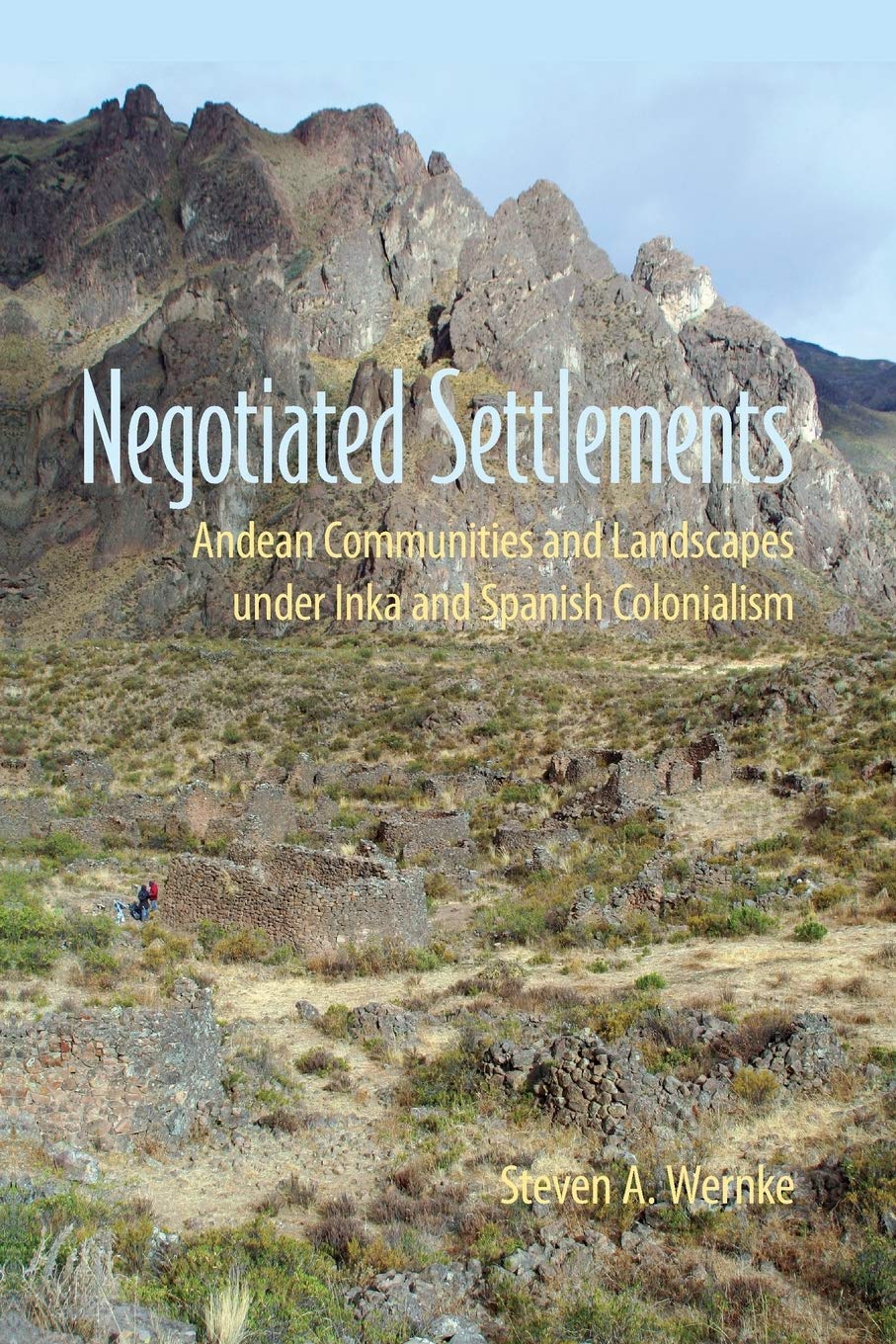
A refreshing and long overdue perspective in historical archaeology that has the potential to provide new insights into the ways in which colonial relations were played out not just in the Colca Valley but elsewhere as well. This is a groundbreaking book that will inspire historical archaeologists to systematically examine the broader social and natural landscapes in which individual sites are located.'Mary L. Van Buren, Colorado State UniversityThis multidisciplinaryindeed, transdisciplinarycombination of archaeological, historical, and ethnographic research reveals how the Andean people of southern Peru's Colca Valley experienced and responded to successive waves of colonial rule by the Inka and Spanish empires from the fifteenth through seventeenth centuries.While most research splits the prehispanic and postconquest eras into separate domains of study, Steven Wernke's perspective explicitly combines archaeological and documentary sources to bridge the Spanish conquest of the Andes. He integrates GISbased spatial analyses of documentary sources with archaeological survey and the only excavations of an early Spanish doctrinal settlement in the highland Andes to present a local perspective on how new communities and landscapes emerged as part of a continuous process of adapting to consecutive imperial occupations. Wernke's findings show how Spanish ideals of urban order penetrated this rural provincial setting as early as the first generation after the conquest, as well as the ways the integration of Spanish ideals depended on their resonance with prehispanic Andean precedents.Through integration of empirical research and social theory, this volume contributes to current debates on colonial and postcolonial theory, historical anthropology, and the growing field of colonial archaeology. At ease whether examining religious practice at early Franciscan mission settlements or reconstructing prehispanic Andean land use, Wernke argues that we should avoid thinking of relations within the Inka and Spanish states as a dichotomy between colonizers and colonized; instead he traces how new kinds of communities and landscapes were coproduced at the local scale.
⚠️ WARNING (California Proposition 65):
This product may contain chemicals known to the State of California to cause cancer, birth defects, or other reproductive harm.
For more information, please visit www.P65Warnings.ca.gov.