
Title
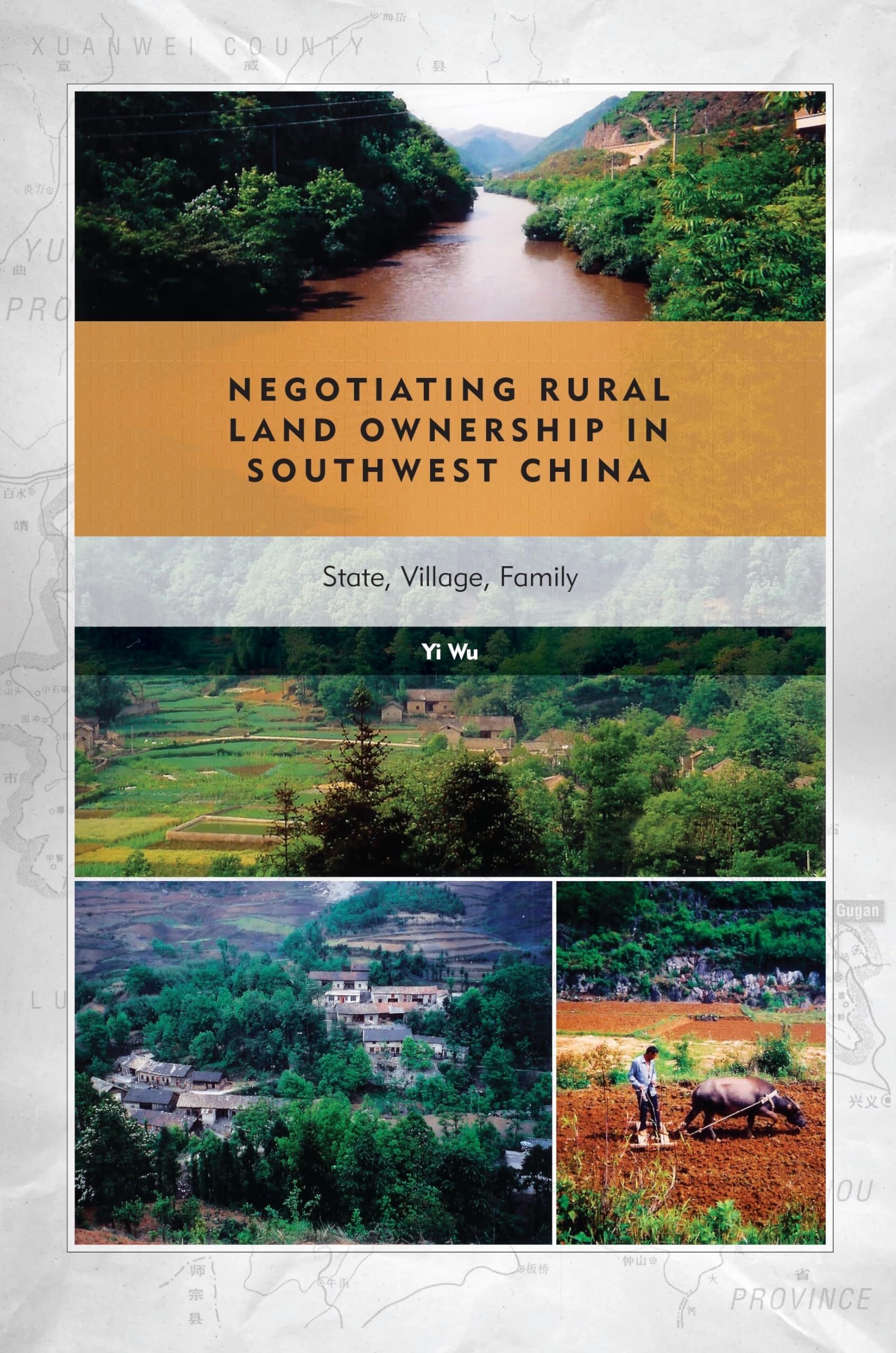
Negotiating Rural Land Ownership in Southwest China: State, Village, Family (Studies of the Weatherhead East Asian Institute, Co,Used
Sold by Ergodebooks, an authorized reseller.
Returns accepted within 30 days | support@ergodebooks.com
Shipping Information
- Free Standard Shipping — United States only
- Processing Time: 3–5 business days
- Estimated Delivery: 6–10 business days after dispatch
- Double-boxed, fully insured & discreetly packaged
- Tracking number sent via email once dispatched
Returns & Refund
Returns accepted within 30 days of delivery.
Damaged or Defective Item
Free return shipping + replacement or full refund
Wrong Item Received
Free return shipping + replacement or full refund
Change of Mind
Return shipping at customer's expense · 25% restocking fee applies
Payment Option

Negotiating Rural Land Ownership in Southwest China offers the first comprehensive analysis of how Chinas current system of land ownership has evolved over the past six decades. Based on extended fieldwork in Yunnan Province, the author explores how the three major rural actorslocal governments, village communities, and rural householdshave contested and negotiated land rights at the grassroots level, thereby transforming the structure of rural land ownership in the Peoples Republic of China.At least two million rural settlements (or natural villages) are estimated to exist in China today. Formed spontaneously out of settlement choices over extended periods of time, these rural settlements are fundamentally different from the presentday administrative villages imposed by the government from above. Yi Wus historical ethnography sheds light on such natural villages and their role in shaping the current land ownership system. Drawing on local land disputes, archival documents, and rich local histories, the author unveils their enduring social identities in both the Maoist and reform eras. She pioneers the concept of bounded collectivism to describe what resulted from struggles between the Chinese state trying to establish collective land ownership, and rural settlements seeking exclusive control over land resources within their traditional borders.A particular contribution of this book is that it provides a nuanced understanding of how and why Chinas rural land ownership is changing in postMao China. Yi Wu uses villagelevel data to show how local governments, rural communities, and rural households compete for use, income, and transfer rights in both agricultural production and the land market. She demonstrates that the current rural land ownership system in China is not a static system imposed by the state from above, but a constantly changing hybrid.
⚠️ WARNING (California Proposition 65):
This product may contain chemicals known to the State of California to cause cancer, birth defects, or other reproductive harm.
For more information, please visit www.P65Warnings.ca.gov.