
Title
Negotiating The Landscape: Environment And Monastic Identity In The Medieval Ardennes (The Middle Ages Series),Used
Sold by Ergodebooks, an authorized reseller.
Returns accepted within 30 days | support@ergodebooks.com
Shipping Information
- Free Standard Shipping — United States only
- Processing Time: 3–5 business days
- Estimated Delivery: 6–10 business days after dispatch
- Double-boxed, fully insured & discreetly packaged
- Tracking number sent via email once dispatched
Returns & Refund
Returns accepted within 30 days of delivery.
Damaged or Defective Item
Free return shipping + replacement or full refund
Wrong Item Received
Free return shipping + replacement or full refund
Change of Mind
Return shipping at customer's expense · 25% restocking fee applies
Payment Option

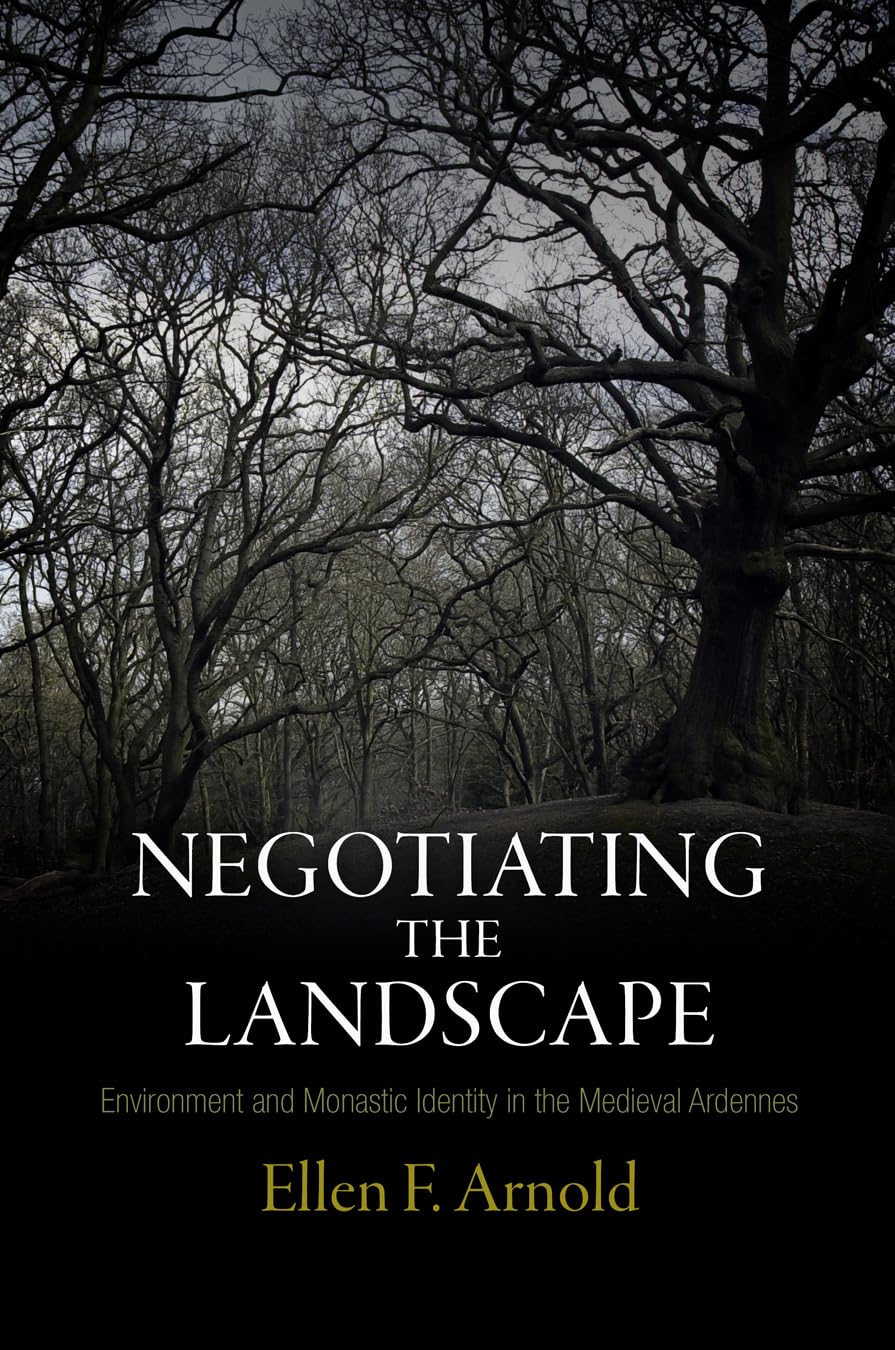
Negotiating the Landscape explores the question of how medieval religious identities were shaped and modified by interaction with the natural environment. Focusing on the Benedictine monastic community of StavelotMalmedy in the Ardennes, Ellen F. Arnold draws upon a rich archive of charters, property and tax records, correspondence, miracle collections, and saints' lives from the seventh to the midtwelfth century to explore the contexts in which the monks' intense engagement with the natural world was generated and refined.Arnold argues for a broad cultural approach to medieval environmental history and a consideration of a medieval environmental imagination through which people perceived the nonhuman world and their own relation to it. Concerned to reassert medieval Christianity's vitality and variety, Arnold also seeks to oppose the historically influential view that the natural world was regarded in the premodern period as provided by God solely for human use and exploitation. The book argues that, rather than possessing a single unifying vision of nature, the monks drew on their ideas and experience to create and then manipulate a complex understanding of their environment. Viewing nature as both wild and domestic, they simultaneously acted out several roles, as stewards of the land and as economic agents exploiting natural resources. They saw the natural world of the Ardennes as a type of wilderness, a pastoral haven, and a source of human salvation, and actively incorporated these differing views of nature into their own attempts to build their community, understand and establish their religious identity, and relate to others who shared their landscape.
⚠️ WARNING (California Proposition 65):
This product may contain chemicals known to the State of California to cause cancer, birth defects, or other reproductive harm.
For more information, please visit www.P65Warnings.ca.gov.